The Music Is the Diet: Full Circle (Joakim and Alexis Le-Tan) in conversation
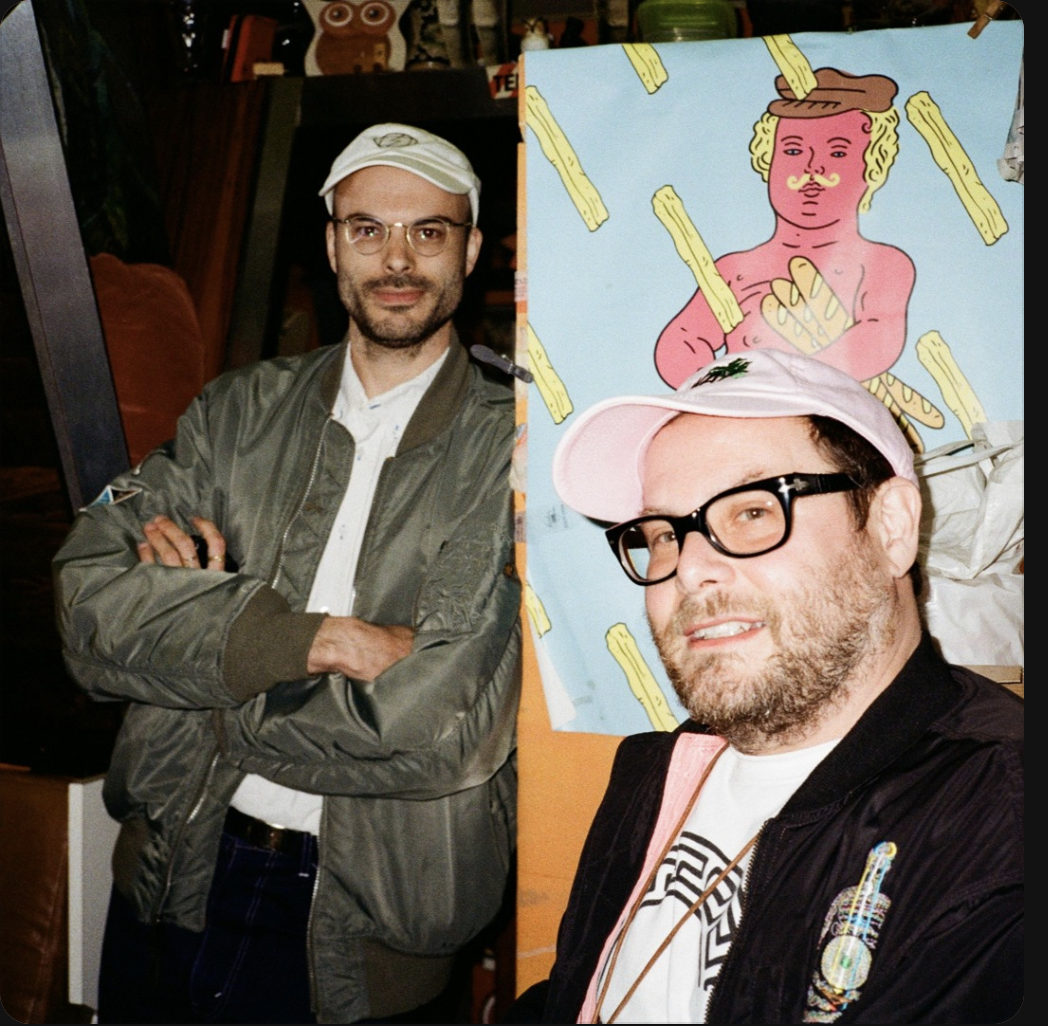
Fifteen years since Joakim first played a slowed-down Goa trance record for Alexis, the pair skip the middleman and interview each other about the genre’s proto roots, its glow-stick afterlife, and a forest gig still to come.
“I think it’s kind of our own fantasy of something that happened, and our own interpretation of it, but not in a nostalgic way.”
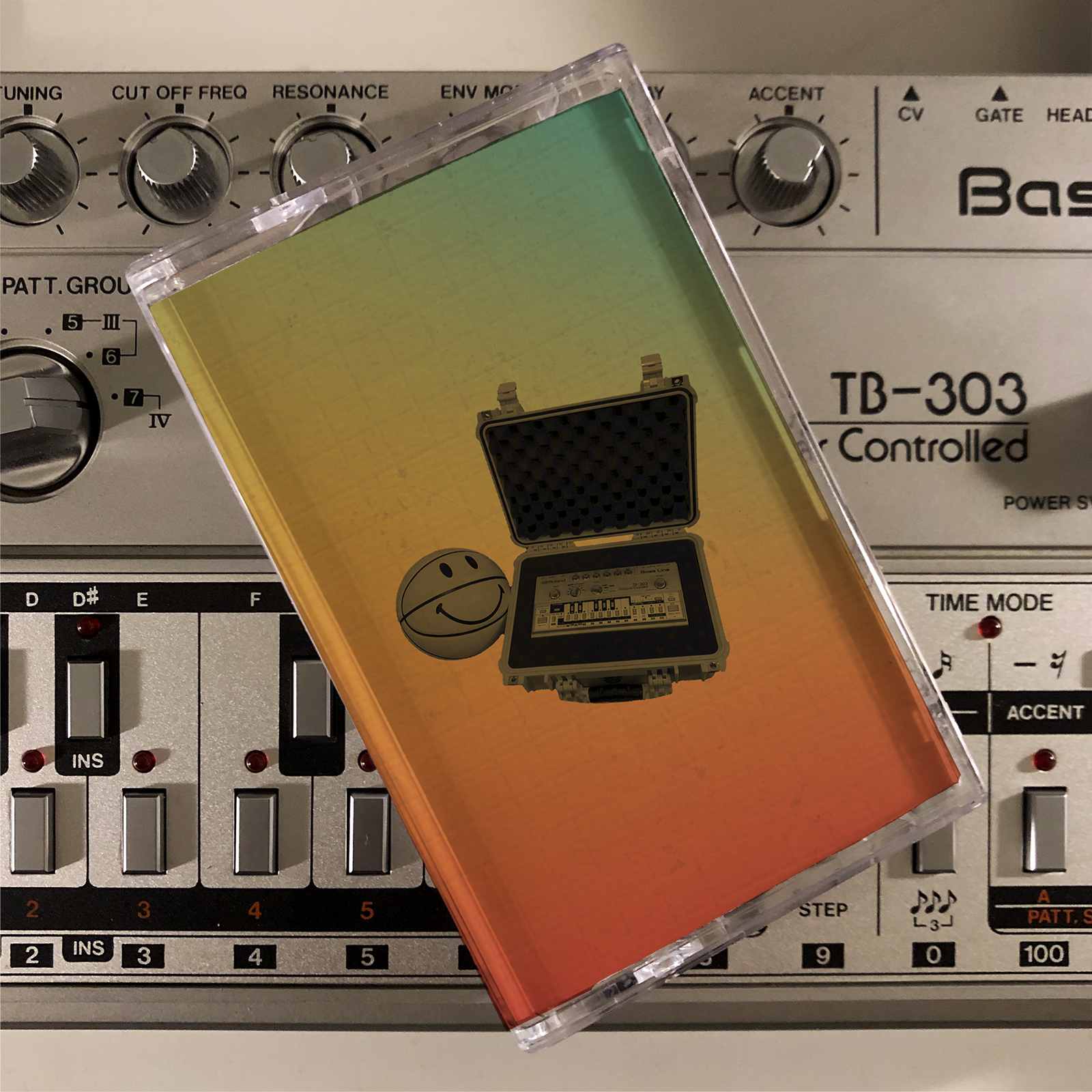
Full Circle’s new cassette rounds up a decade of remixes and original productions – Bristol’s Strange Brew live set among them – built less as a victory lap than as a mixtape that has to actually flow. To mark it, Joakim and Alexis skipped the usual interviewer and did the honours themselves: proto-Goa versus the genre it became, Mike Maguire’s record bag, capitalism’s role in the glow stick, and why a forest might suit the music better than any club ever has.

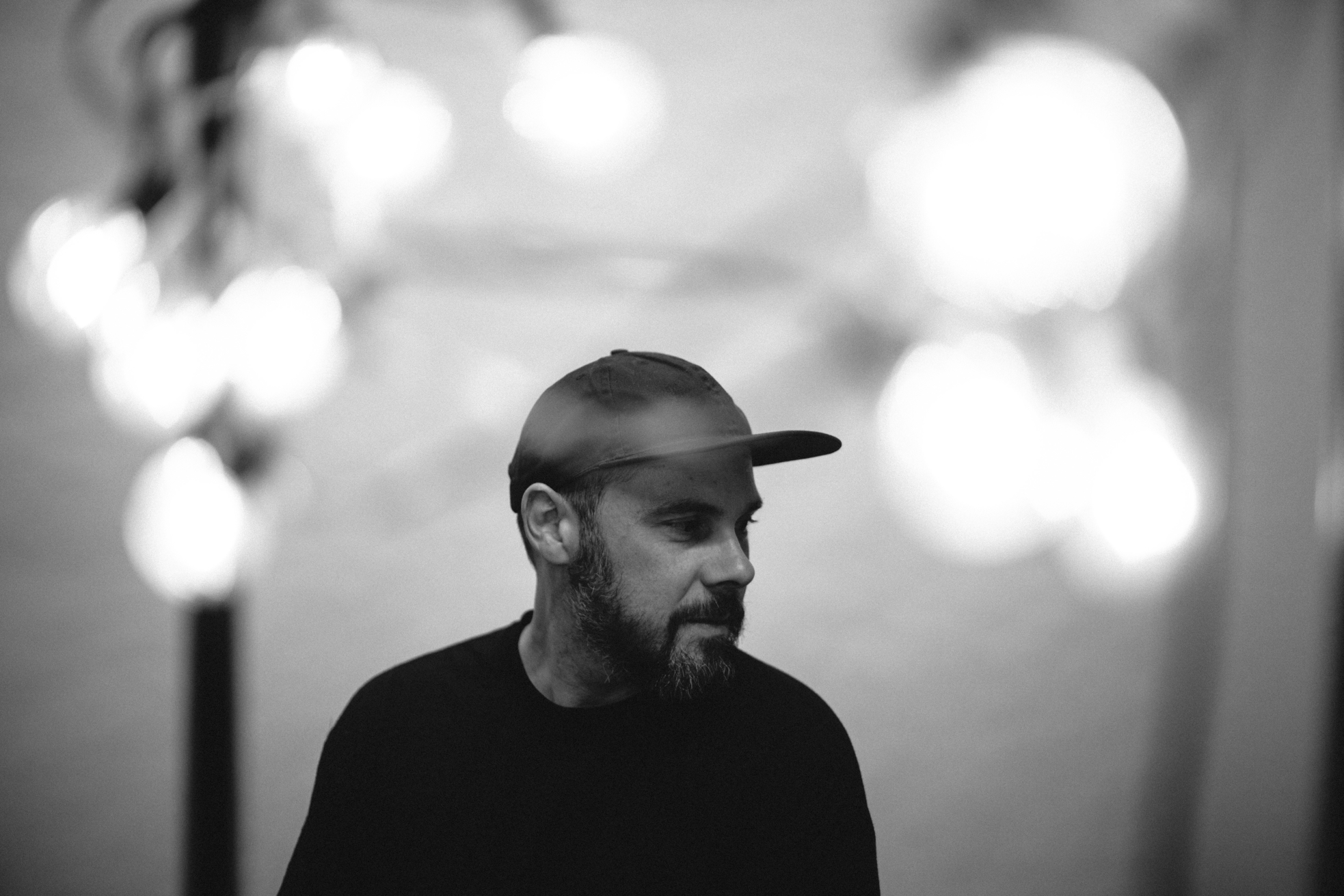
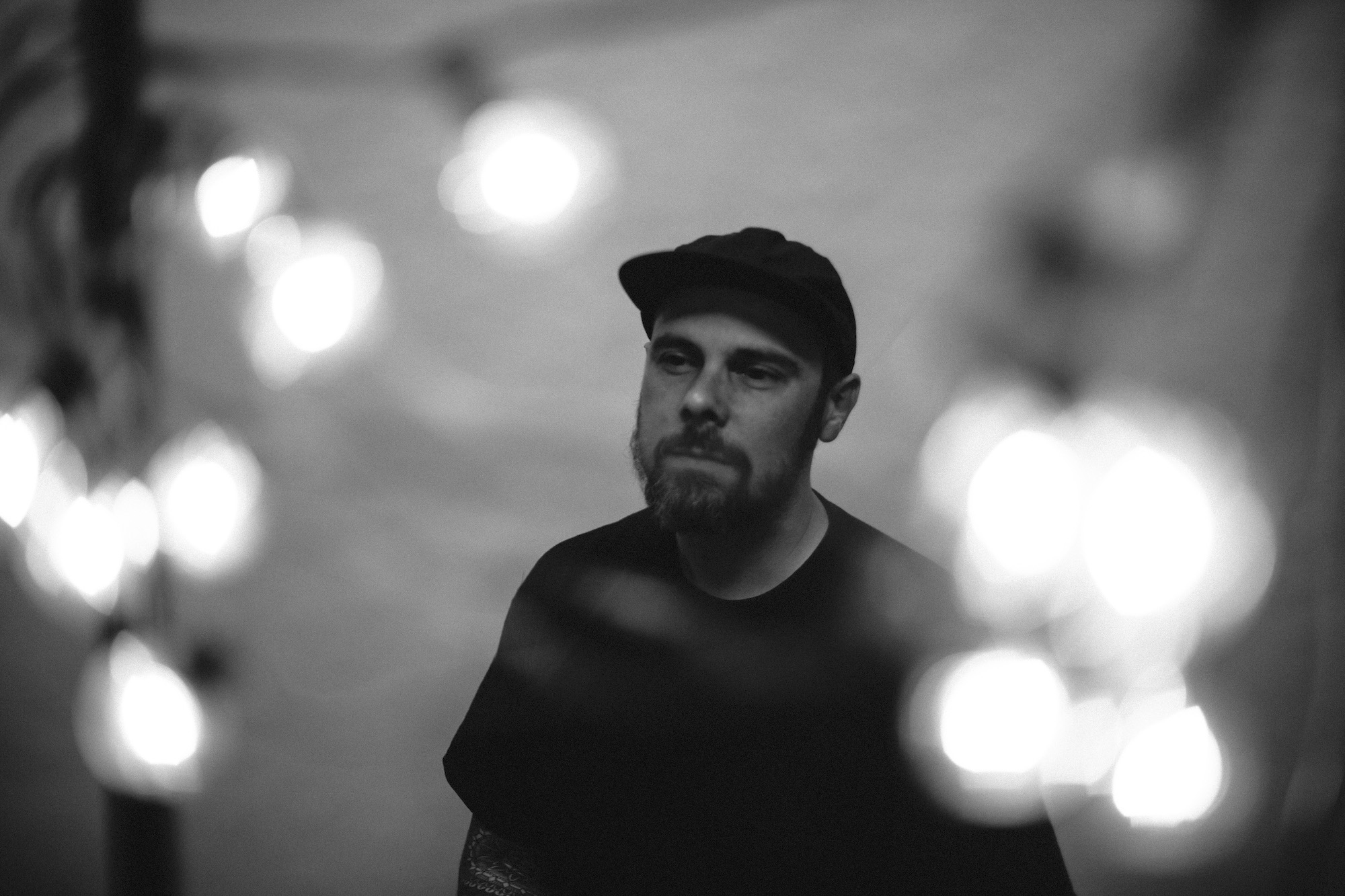
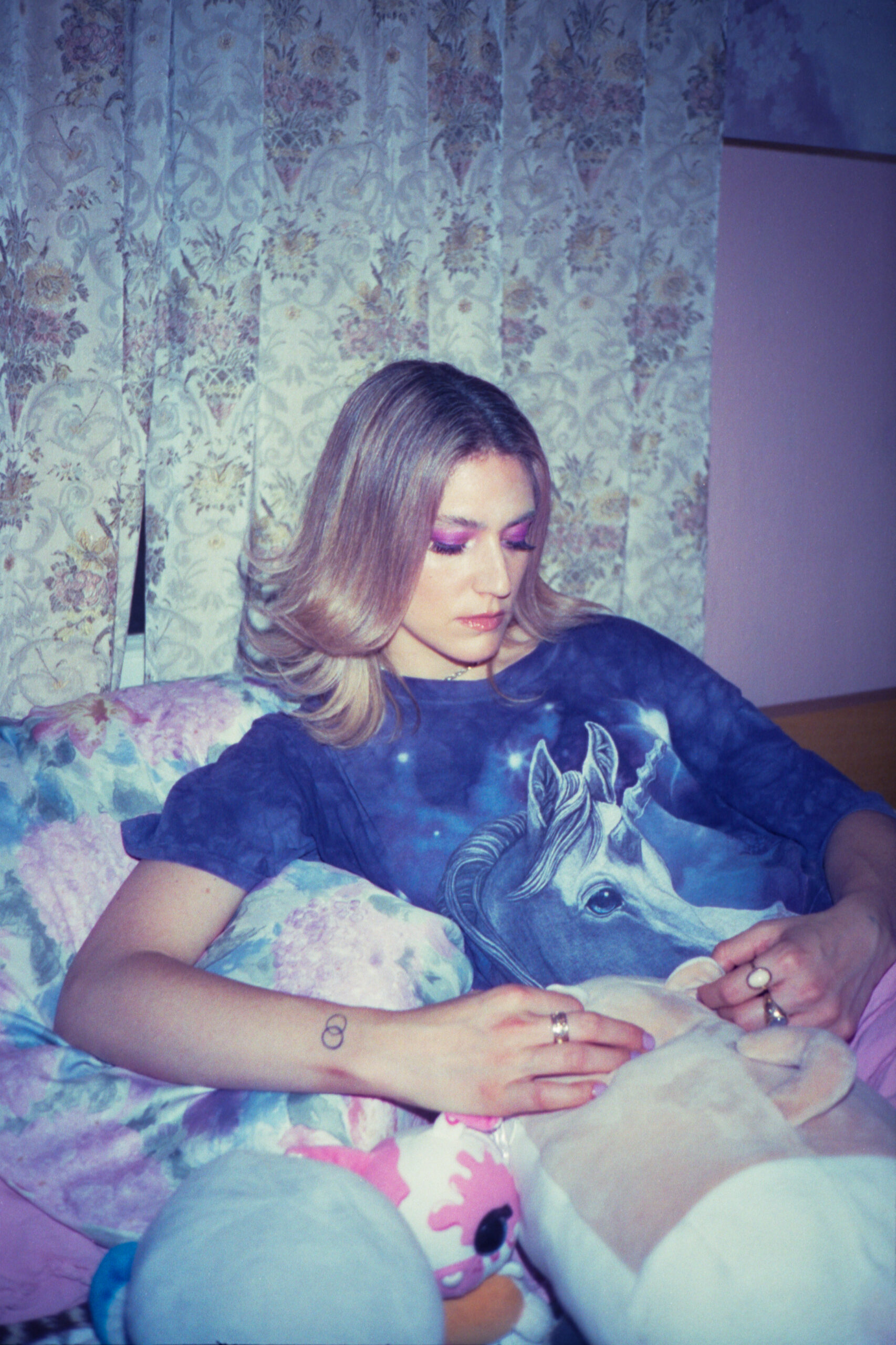
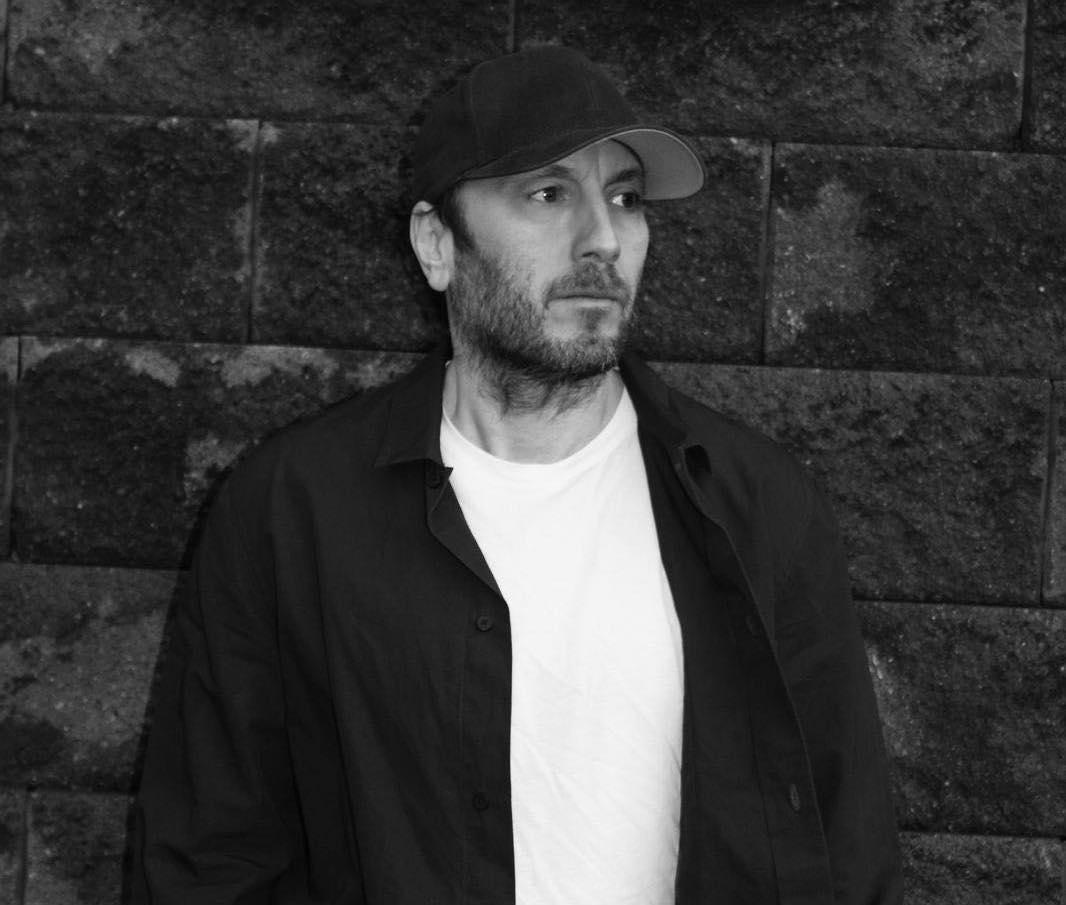
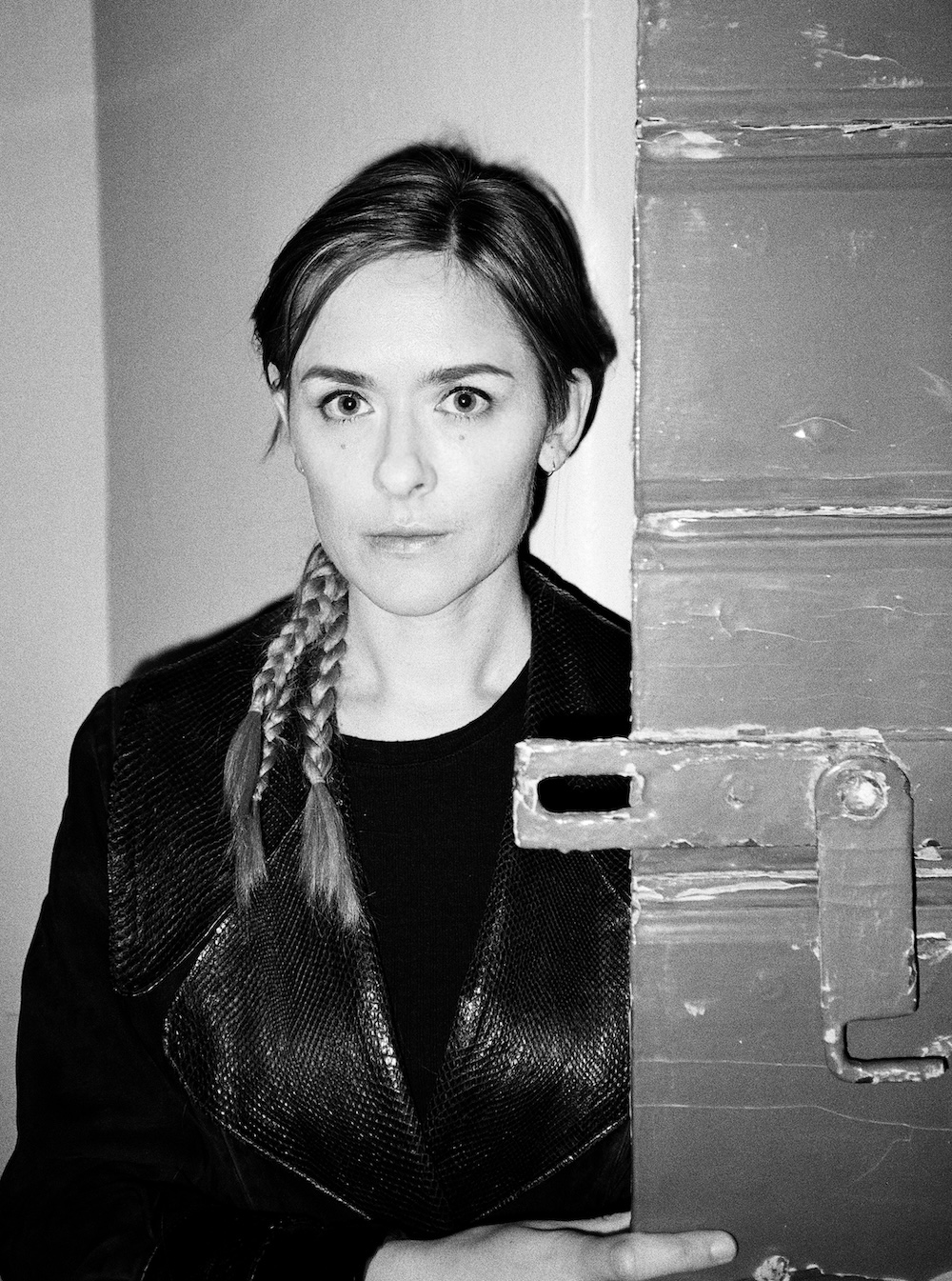
Joakim and Alexis of Full Circle interview each other.
Alexis: It’s been over 15 years now since I first played you some slowed-down Goa music. Did it feel like a discovery, or a memory from the past, when you first heard it?
Joakim: I think it was first a discovery, because I’d never heard anything like that – I wasn’t very familiar with the history of Goa, early Goa, proto-Goa music. I wasn’t even digging early ’90s proto-techno or IDM yet. I started digging later, and that’s when I understood the connections between all these things. So when you played those tracks I was excited, because it was like: what is this? It sounds like nothing I know. First it was a discovery, and then later, when I started digging for Full Circle, for our compilation mixtapes and everything, I understood that this was actually connected to a lot of things I didn’t know about.
You’ve said the Full Circle project sits on the border of proto-trance, IDM, acid and 4th world music. Is there a genre you feel closer to, or one we haven’t really covered yet?
Obviously, out of those four, there are some I was already a big fan of before we started Full Circle – IDM especially. I never thought I’d do a project around trance music, so I wasn’t that familiar with it, although I was always interested in the trance-y aspect of electronic music – for me that’s the most important part of it, the hypnosis. But if I had to name one more genre, it’s new beat – it’s a big part of the origin of the Goa sound, and I feel it’s influenced some of our productions too. New beat is maybe the missing link – it was influenced by all the same sounds being made at the time, industrial, acid house, even Italo disco, and all of those were being played in Goa.
The Strange Brew mix we recorded in Bristol was our first live party recording. Does the venue have an incidence on the kind of music we play?
Of course it has a massive influence, on any DJ set I do, with or without you. So many times I try to picture the vibe, picture what I’m going to play – and then when you get into the space and hear the sound, see the people, it’s always different from what you thought it would be. Part of the DJ’s job is to adapt to the space and the people in it. Otherwise, you’re not really a DJ.
Is there a space in particular where you feel our music is most adapted for?
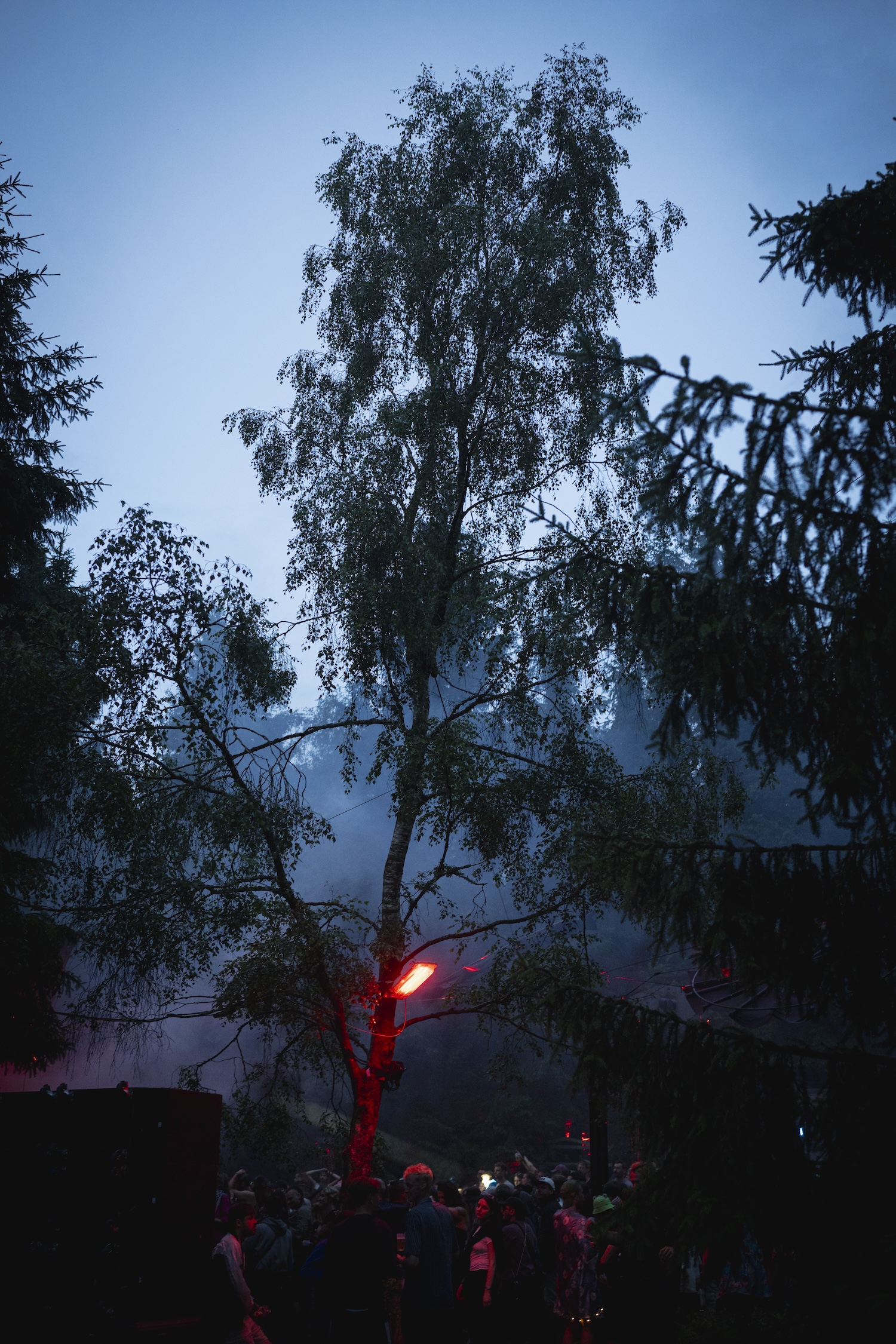
That place [Bristol] was a good one – it was full of freaks, in the good sense, and very passionate music people. In general in the UK people take music very seriously, and that’s something we kind of miss here in France. Weirdly, we’ve never played together in Eastern Europe – Lithuania, places like that – where I think our music resonates really well too. People there are very sharp with their taste, and very into the psychedelic aspect of music. For me, more than a country, it’s about environment – I think our music is good to be played by the beach, or in a forest or a jungle, which we’ve never done. We’re going to do that soon – there’s a gig already booked in the forest. (Draimollen, that’s in the forest.) For me, the music we play is definitely more suited for outdoor, wild parties. Shamanistic rituals.
You recently put together a cassette compiling a lot of your remixes and some original productions. How did you go about choosing which tracks were most suitable, and putting them together?
There’s a retrospective aspect to this compilation, but there’s also the fact that it’s released as a cassette, as a mixtape. So we had to find the tracks and versions that would match together like in a DJ mix, that would create a flow. I don’t think there’s anything we should or could have put on there that we didn’t – I think the selection represents the spectrum of what we’ve done so far, built as a mixtape.
Full Circle exists partly as a correction – going back to the source rather than a memory. Is there a specific record, party or year where you feel the original thing has fully been replaced by its own costume?
I’m not sure it’s a correction. I think it’s more our own fantasy of something that happened, our own interpretation of it – but not in a nostalgic way. We like this music and the effect it creates on the mind and body, and we’re inspired by it to make new music. I don’t see it as a nostalgic project, although I am quite a nostalgic person. I see it more as a new take on something, made for people to discover different sounds, a more contemporary way of interpreting them. It’s a part of music history that’s very forgotten – not only forgotten, but frowned upon, because the word “trance” is often laughed at, or people shrug their shoulders at it. I’d say Goa trance even more. The lesson is that there are good things in everything, if you know where to find them, and it’s possible to make something else out of them. That’s the biggest reward of what we’re doing today – when other people pick up on it, give it their own twist, and make their own thing out of something we’ve done.
If Goa trance hadn’t been exported, packaged and sold back to itself with a higher BPM and a bigger logo, would Full Circle even need to exist?
Full Circle isn’t about what did or didn’t happen to Goa. Of course it went more commercial, a bit formulaic, at some point – but neither of us is interested in that kind of music. We’re interested in music that’s actually hard to define, and I think that’s why we were drawn to it – the big Goa trance records that you slow down and edit until they become something else, or the proto-Goa – both sound like something you don’t really understand. There’s a rule in music I like: I’m drawn to it when it’s undefinable, when it crosses genre. Cross-pollination. If it’s too obvious, too formulaic, I’m not interested.
When you hear one of our remixes – like the one for Die 0 Die’s “Orangen” by Jan Abe – what do you hear? Today, or 1989?
Unfortunately, I didn’t DJ at the original Goa parties – I’d have been 13, maybe younger, at the first ones. I started playing in ’93 or ’94, when Goa trance was already called Goa trance. I like to think the music we make has a timeless aspect to it. So although that one was made six or seven years ago, I think it sounds of then, but it could also have sounded like something made at the time – and it would have worked at the time just as much as it works now.
Talk us through Mike Maguire – the man who refused to play the Goa records coming out at the time, choosing “real tracks” with a trancey feel instead (real tracks to be defined) . Is that the whole story in miniature – the moment people started making music to satisfy the genre, rather than the trance itself?
Mike Maguire was – or is – part of Juno Reactor, probably the best, or at least the most innovative and interesting, Goa trance band there’s ever been. He was also, at the time, probably one of the best DJs too, and he happened to be a friend – I guess I can call him a mentor. He was famous for playing all kinds of music that worked in the Goa party context, but weren’t necessarily records being produced by Goa trance producers at the time. For me, that’s one of the best qualities in a DJ – to look for music elsewhere and make it work in a specific context, or take music from a specific context and make it work elsewhere.
The compilation pulls together vinyl-only pieces, mostly sold out before anyone outside the cult knew where to look. Is a cassette the right format to bring something back from the dead, or just a different-shaped coffin?
If you look hard enough you can probably still find any of it, in the places people who look hard for these things go. I think cassettes are a practical format these days – more and more people seem to have cassette players again. They’re much cheaper and quicker to manufacture than vinyl, and our idea was to make a mixtape anyway – so the best place to record a mixtape is on a cassette.
There’s a version of this story where Goa trance went from temple offering to glow-stick merchandise in under a decade. Whose fault was that – the labels, the tourists, or the DJs?
The fault of capitalism, actually. At some point people realise you can make money out of something, and the best way to do that is to materialise it – put a name to it, make a product that fits the name, and then all sorts of merchandising builds up around it. With Goa, when people first started going there – late ’60s, ’70s – it was freaks and hippies looking for a refuge from the modern world. For a long time it stayed a secret destination nobody really knew about. At the beginning there wasn’t any electronic music at all – people were on the beach listening to psychedelic rock or reggae. Then, in the early-to-mid ’80s, electronic music started to appear. A French DJ called Fred Disco was the first to play it there – he was a bit too early, and it was hard for the other freaks and hippies to get on board, so at first he didn’t have much success. But slowly, with the help of a lot of drugs, more people got interested. Then another French DJ, Laurent, came along and found a way to weave it all together into what it became – maybe ’86 or so. That lasted until around ’93, when people started actually making music called Goa trance. By the time it got to that, for a lot of people, it was the nail in the coffin.
You once said there’s always a way to mix in or out of a record. Has Full Circle taught you otherwise – a record that finally proved you wrong?
No. I said it then and I’ll say it again – any good DJ should be able to mix in and out of anything. You don’t need to beat-match. Be creative.
If your catalogue had to be eaten rather than heard, are we still talking mushrooms, or did the diet change?
The diet is changing all the time – mine has changed, for sure. You don’t even need a diet sometimes, you just need to be very open-minded. I think at the end of the day, it’s the music that… is the diet.
Topics













Must Reads
David Holmes – Humanity As An Act Of Resistance in three chapters
As a nation, the Irish have always had a profound relationship with the people of Palestine
Rotterdam – A City which Bounces Back
The Dutch city is in a state of constant revival
Going Remote.
Home swapping as a lifestyle choice
Trending track
Vels d’Èter
Glass Isle
Shop NowDreaming
Timothy Clerkin
Shop Now