Review: MUTEK Montreal 2025: a masterclass in digital arts, technology and public funding
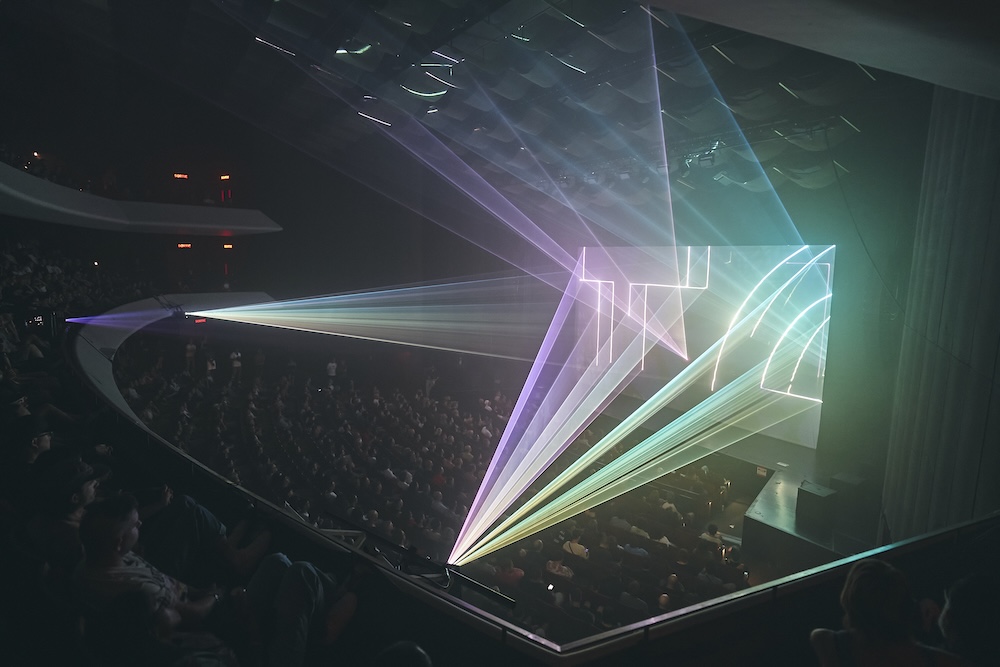
The MUTEK global brand continues to be a world leader in the axis of arts x technology with the 2025 Montreal edition showcasing a plethora of educational content, world premiere live sets and pioneering visual arts. But is it in the public good the 2M CAN$ public funding price tag suggests? If so, should we all just move to Canada?
Warning: This is an extremely geeky festival, so when attending please prepare for a high percentage of abstract arts performances and a highly unusual audience with acquired taste – dancing
What is MUTEK Montreal
MUTEK (abbreviation for mutation and technology), Montreal is without doubt a frontrunner in digital arts and contemporary electronic music. Since 1999, the young, the old and the nerdy have come to the centre of Montreal to hear the latest in experimental electronic music from the festival’s convenient location, striking distance from Chicago, Detroit and New York.
Fast forward a quarter century and the event has truly developed from an outsider experimental electronic music and arts festival to a national Canadian institution and global digital arts heavyweight.
The organisation now not only showcases a 5-day festival but also a separate, detailed educational conference (the MUTEK Forum) as well as the MUTEK Market, a platform in which artists, curators and institutions are connected to form a global network for opportunities and learning. The organisation also provides digital tools to connect online and even message and arrange meetings on the platform. For budding DJs, visual artists, curious technologists or those working generally in the arts, it’s truly fertile ground for exploration, inspiration and growth at a global level.
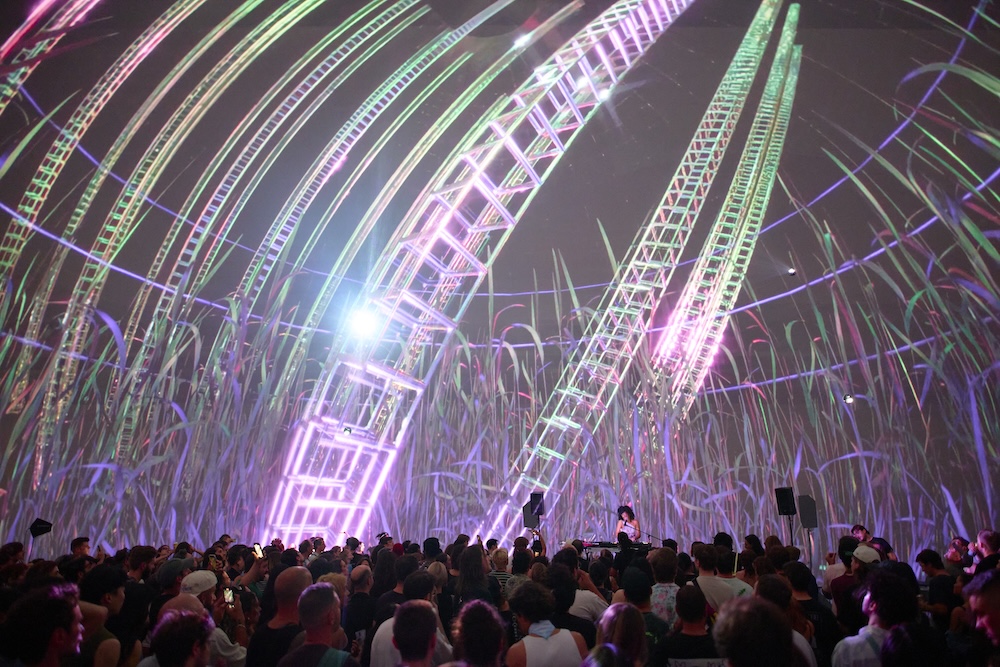
Trying to get a piece of it all is a huge challenge as the program is dense with exhibitions, advanced educational content, vast arts networking opportunities, state-of-the-art venues and unique premiere performances from world-renowned artists.
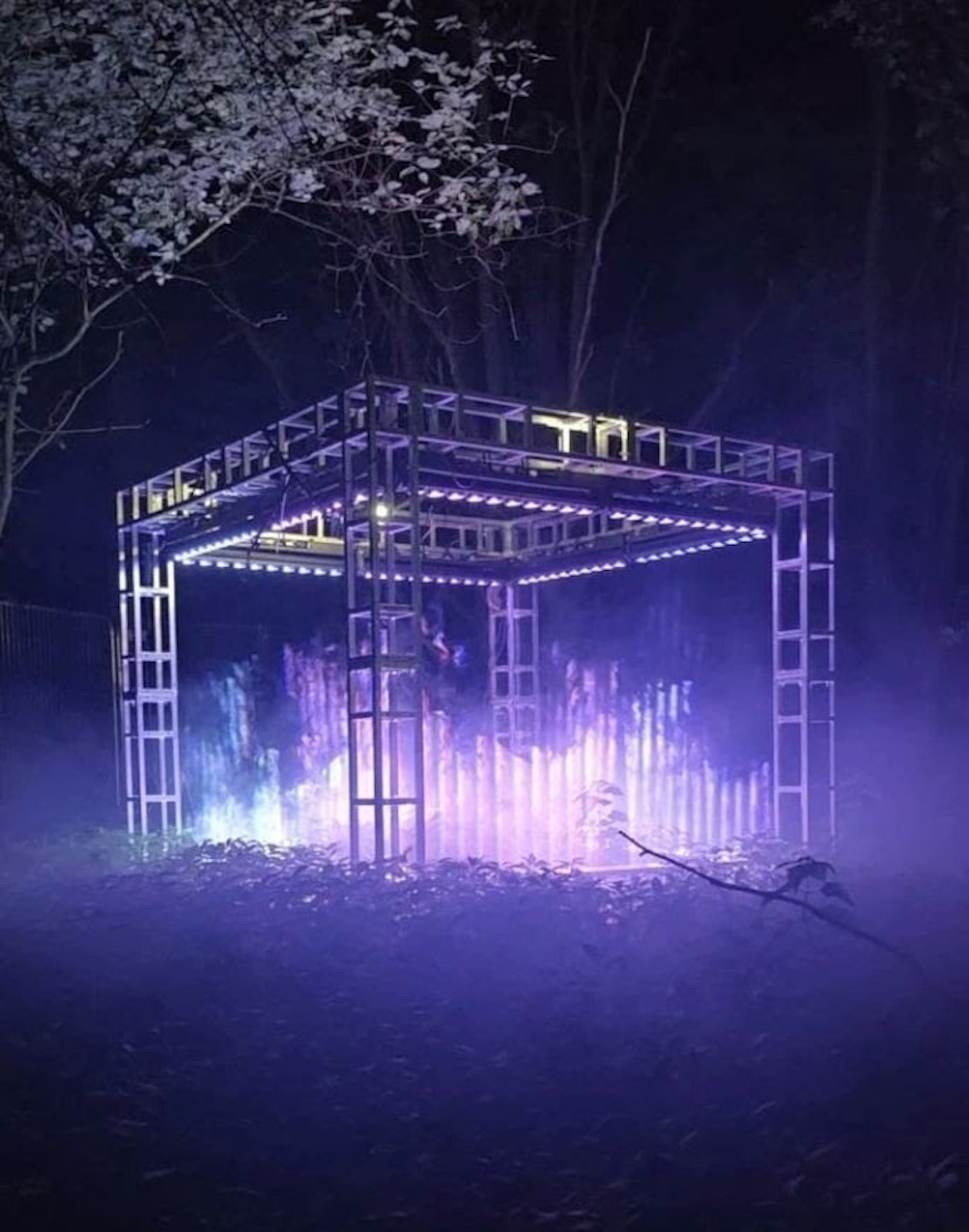
The forum content runs from Tuesday to Friday, with the festival kicking off on Wednesday with some free-entrance outdoor headline performances at the Esplanade Tranquille before growing into the weekend with increased daily intensity. The location is close to the heart of Montreal, with the main night venues being (the recently renamed) M Telus and the now all-year MUTEK collaborator venue of the SAT (Society for Arts and Technology). The mid-week Forum program is also based across the road at the ‘Monument-National’, which gives a modern theatre setting to the lectures, seminars and workshops for those looking to learn and network.
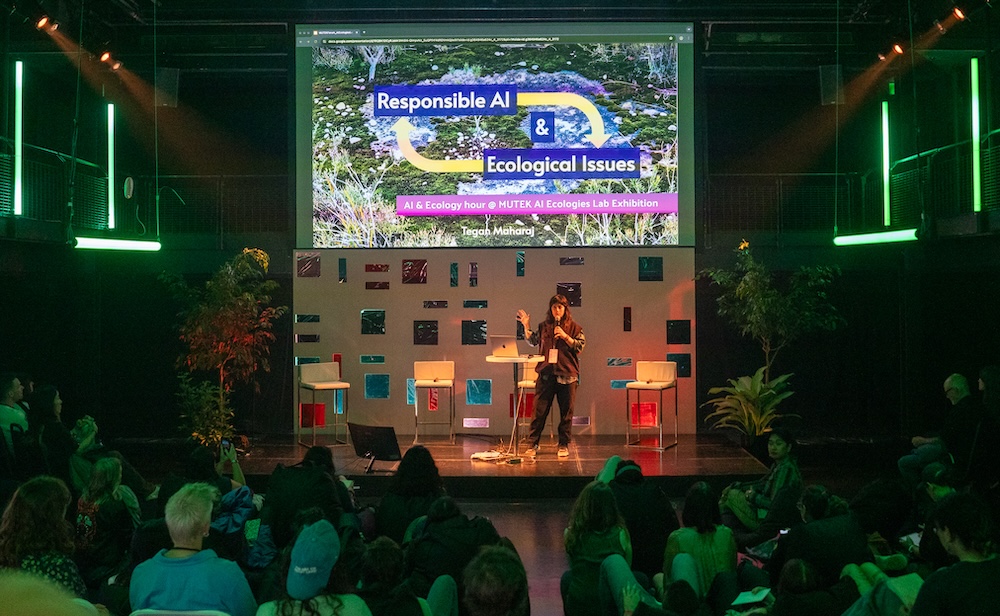
The inner city location comes with its positives and negatives. The infrastructure, both at SAT and in the public square, is clearly key to the festival’s concept. But the inner city, multi-venue nature does somewhat take away from the community vibe, with the audience often dispersing into the city and so missing out on those awkward festival encounters where you’re joyfully forced to queue up for a coffee with the people you bumped into on the dance floor the night before in everyone’s sleep-deprived, semi-delirious state.
The proximity to the city centre can also be jarring, with the walk between venues forcing the undoubtedly musically snobby audience past several open front bars playing sing-along pop and also the central streets showcasing Montreal’s social issues in full, with the homelessness being extremely apparent – something I’ll go into more detail on later.

Três Bons Vibes
The city of Montreal is a diverse and interesting one. The protected and nurtured historic French cultural side of the Quebec capital is a powerful cultural setting for the festival and provides a colourfully croissant-like texture to an otherwise technological experience.
It’s clear the city is one of the most unique in North America, with a kind of ‘France meets Detroit’ feel. First impressions coming from Lisbon are immediately on the evident wealth of the city with modern high rises, fancy cars and reflective prices in the cafes and bars, with craft beers on sale in the festival at 12CND$ (7.50€). Montreal also offers a thankfully indirect insight into North American culture, with pizzas available by the slice on many street corners, but somehow maintaining the bourgeois vibe and lifestyle with the demographic displaying a reassuring lack of obesity and Trumpism.
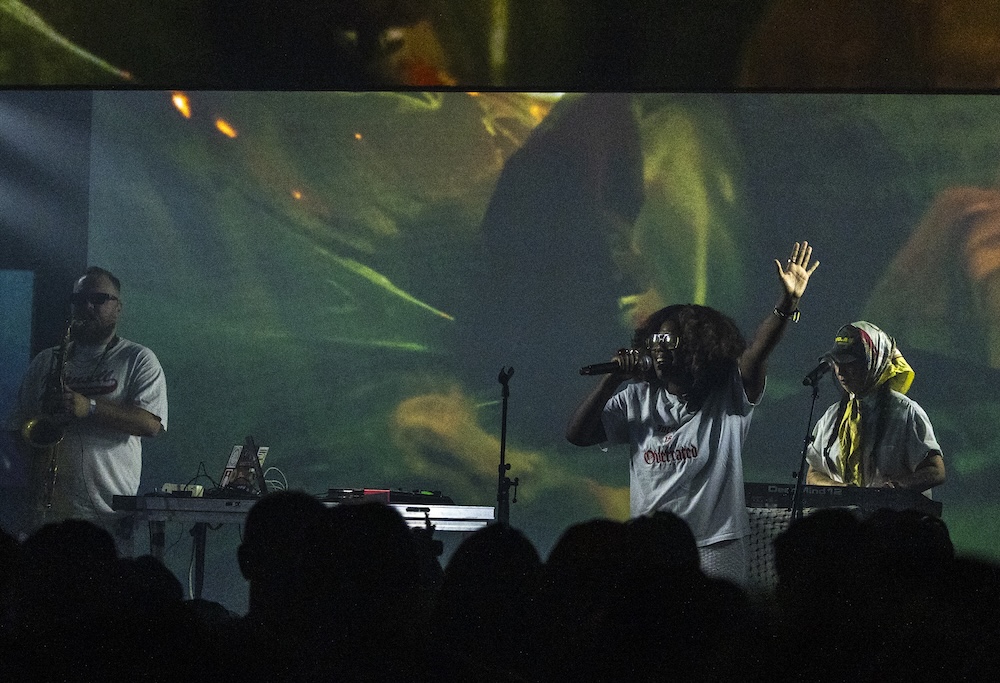
The music programming of the festival is without a doubt exceptional, with the historic project routinely working with artists to create worldwide premieres of live shows and audiovisual performances. We have the privilege of seeing the first-ever live shows of Kyle Hall, Gayance, Ma Sha and Hodge – it seems like each year electronic music fans can leave with a one-of-a-kind memory of a unique performance that will quite simply, never be replicated.
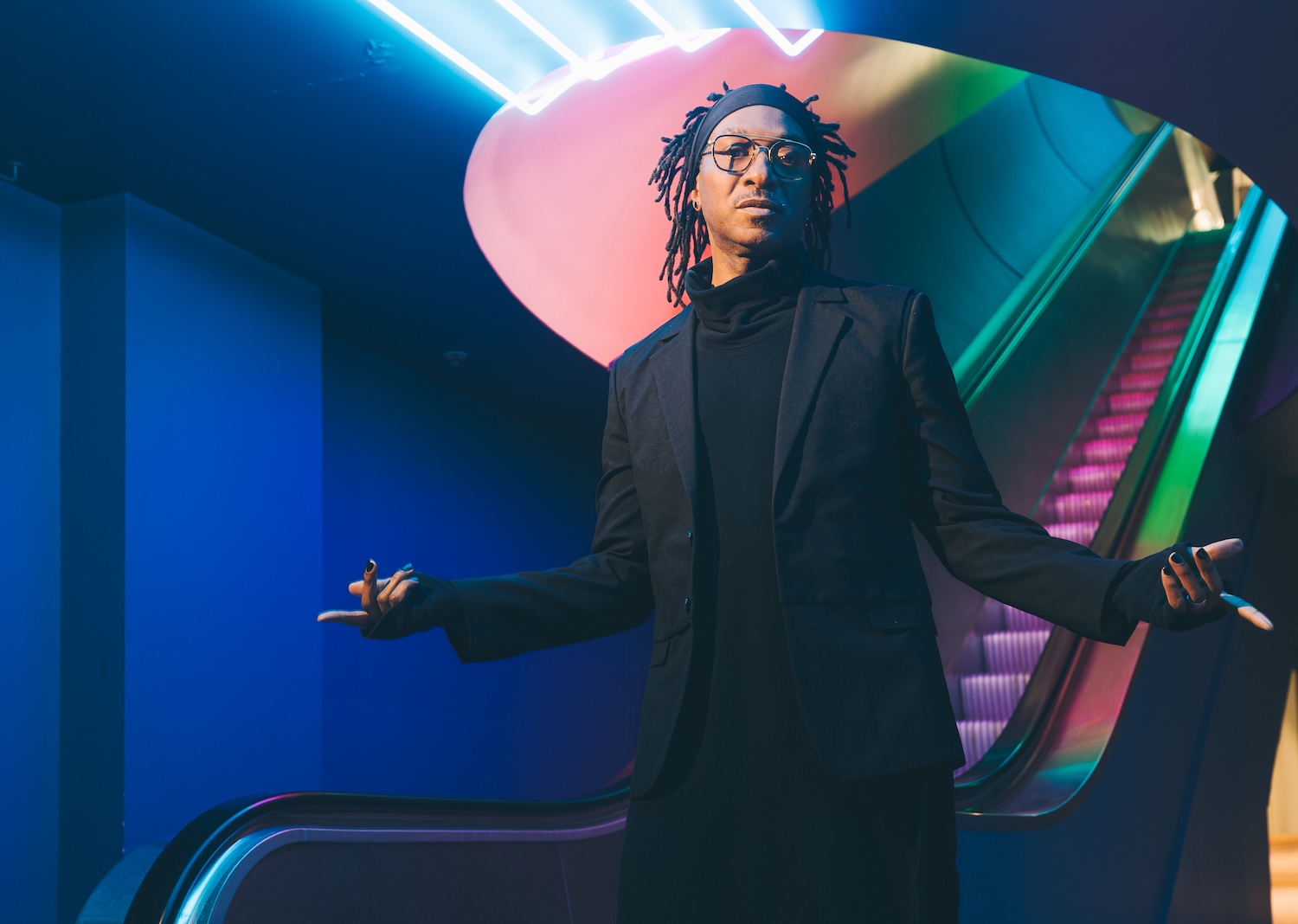
Local singer and producer Gayance was booked to develop and perform in an expanded electronic jazz band set-up ahead of her album launch on Tru Thoughts next year – for her it was an opportunity to build a new project, meet “industry people and sell the show as a trio internationally”. When asked about the fee relative to the rehearsal work going into it, she admits “it’s a big amount but not enough” which feels reflective of the amount of work artists are putting into these performances.
The show was amazing, one of the grooviest of the festival and also one of the most political with direct references to Palestine and the trans community, before she gave the stage away to Kyle Hall with the impactful words ‘make techno black again’.

Back to the tech-y side, and it’s clear that the festival does absolutely require an acquired taste; at times, it can be difficult to find common threads between the schedule of dance music and quantum computing lectures. As the experimental program progresses, it can be hard to find a consistent beat across the stages that can leave more traditional music viewers at a loss at where… well, actually, to dance.
An extraordinarily geeky affair
To say the crowd is a mixed bag is a huge understatement. The free ‘experience’ events hosted in Esplanade Tranquile attract a wide range of participants from the black queer community, to a high percentage of East Asians and old ravers, and even some homeless that collect the cans from the bins.
Inside the main festival venues, the demographic sways heavily towards the technological community, with a very high percentage of the audience having intentions way beyond just dancing and chatting. The clothing, accessories and ear protection are adventurous to put it lightly, and the dancing ranges from non-existent chin stroking to quite frankly – physical ‘wig outs’ which makes one question if they’re listening for any beat at all in the abstract audio hubris. To be clear, I think this is the festival with the most questionable dancing (trying not to be too disparaging here) ever seen.

As the weekend progresses, the festival runs an out-of-town day party collab with a weekly park day event called ‘Picnic Electronik’, where the crowd changes again to a very young local one, where you can observe teenagers downing spirit mixer buckets through straws and a more relaxed outdoor vibe with a big stage hosting Nick Leon. The vibe seems like a world away from the A/V shows in the centre of the city, but it’s a welcome breath of fresh air for the traditional festival goer. The music on the smaller MUTEK curated stage is also great, with Aurora Halal opening and Ma Sha and Hodge going b2b for 3 hours – all after performing live sets separately over the course of the festival.
After a metro or taxi back to the city stages, we see Kyle Hall play again, this time DJing at a free entrance stage with Shackleton and Bitter Babe taking the reins in the SAT. The free experience stage does provide a healthy accessibility element to the festival, with many of the headliners playing there as well as at the main ticketed events. Entry for the paid events is 450CND$ (280€) for the full 5-day festival and 628CND$ (390€) for the Forum + Festival pass. The cheapest tickets available are single-night event tickets at the SAT for 48-55CAN$ (34€). Not super crazy given the average wage is almost 30CAN$/h (18.50€).

An Arts over Profit Model
The team operate a unique international not-for-profit model where they run the Montreal festival with significant public funding (approx ⅔ of the total budget) whilst franchising out the brand to run events in Mexico City, Buenos Aires, Tokyo, Barcelona and most recently Dubai, as well as previously Valparaiso, Santiago and San Francisco.
Amazingly, the festival went inter-continental only 3 years after its launch in 1999 with founder and still director Alain Mongeau, 63, firstly saying the motivations to internationalise were “to put Montreal on the map” and then going on to admit it was also because he “couldn’t leave” to live anywhere else due to a personal reason and that he “wanted an excuse to travel”. Amazing how such humble intentions have resulted in such an amazing and impactful global community.
In our interview, he strikes as somewhat withdrawn, but after 10 minutes, he opens up, and it’s clear to see how his structured, deliberate thought process and creative direction have shaped this now 25-year-old institution. One might speculate, and he even details, how if the project was structured differently, there would have been opportunities to sell up, with him detailing “they almost merged with Piknic Electronic but couldn’t due to the not-for-profit status”. But the overwhelming commitment to develop the arts as a priority over organisational or personal wealth seems to be the real rocket fuel behind this project, community and brand.
Global Struggle Town?
It’s not all rosy, though; sources close to the festivals indicate that many of the international MUTEKs are losing their financial viability, which is not surprising given the expenses involved with such a high-tech festival. The franchise model also dictates that they must bring their own financial stability to warrant use of the MUTEK brand, a fair but difficult road.
The word on the digital street is that some of them are considering moving to biennials (once every 2 years), with Alain crediting the ongoing difficulties to local economic environments and COVID rather than more existential trends the industry is facing.
A Masterclass in Public Funding
The funding model of the Montreal version, though, is more secure.
Alain and the team have worked for decades to develop different revenue streams, the major one being grants that total an astronomical 2M CAN$ (1.2M€) for the 2025 festival from local and national sources, as well as the Canadian tourism board and government. This accounts for approximately ⅔ of the budget, with the final third being made up from ticket sales, drinks and sponsorship, amongst other revenues.
This level of funding comes from many years of development and governmental lobbying for an enhanced digital arts sector in Quebec, a notion which has evidently been successful, with many digital arts studios emerging city-wide and venues being designed specifically for the technology. The MUTEK brand also provides Quebec with a very useful cultural and technological export worldwide, with Quebec bureaus across the globe dipping into the MUTEK network of artists and collaborators to project Canadian arts & technology projects globally.
With that level of funding, it seems fair to give some critique. The event showcases and educates on artistic use of cutting-edge technology, but since it doesn’t break any new scientific ground, should we be concerned that the targeting seems slightly off for a public good? Granted, there are some free events and even beginner workshops for music production – but largely the program is for the already educated, music nerds and post-graduates. Could the event be more accessible?
But then again, why should it be? The brand surely has massive trickle-down effects on tourism, with other industry leaders in Montreal spotted staying late into the night, embracing the heavy kicks and laser shows of Nicola Cruz. The forum section of the conference provides a direct route for industry professionals to engage with rave music and culture. That’s got to be worth something, right?
Are humanitarian issues out of the festival’s scope?
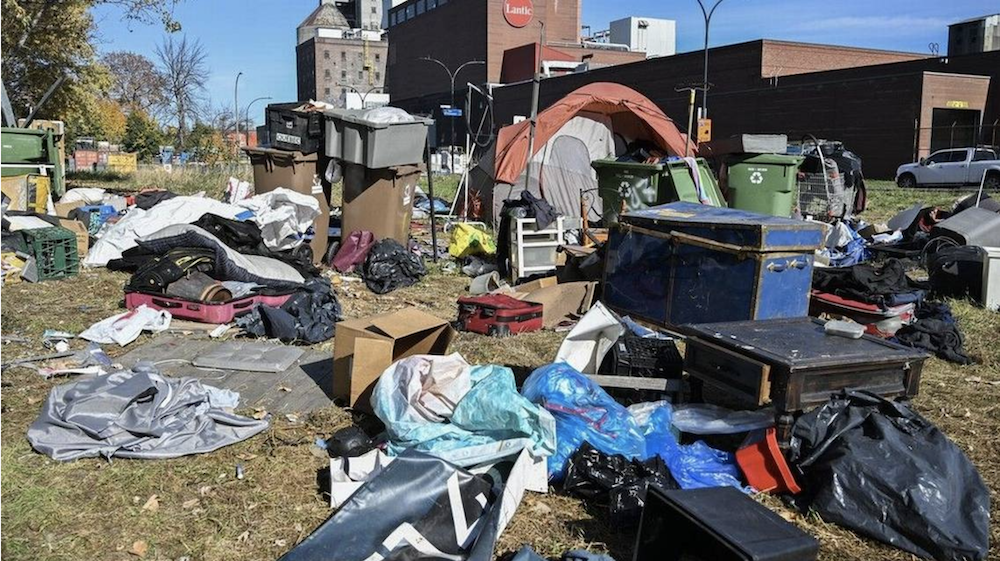
This year the city of Montreal is assigning more and more resources to combat homelessness, and unfortunately the situation outside the venues at night is a bit out of control. There are tens of quite clearly mentally ill people roaming the street, hopelessly asking for change to a crowd that pays almost exclusively with their phones.
Midway through the night, standing outside for a cigarette, we had to move from potentially dangerous situations several times, and at closing, one person tried to take 20$ off my friend as he tried to give me the cash to get a cab home. I end up (happily) walking 2km back through the streets, though looking over my shoulder at each corner, wondering what it would be like for a lone female. Here’s to hoping for better security next year — or maybe an awareness team to take care of the people on the streets.
The festival is also yet to take a public stance on the ongoing mass murder in Gaza, and disappointingly few artists use their platform to bring that message.
Gayance is one of the only artists to work it into their set, with Raf Reza also wearing a Palestinian shirt. In a world where artists and culture are often relied on to keep the alternative motivated classes in check, one would’ve hoped for a bit more commentary on the various humanitarian crises the world is seeing right now. What happened to ‘there’s a genocide happening, use your voice?’.

Conclusion
It’s a pretty damn special project and festival. For those at the edges of the cultural sector, it’s amazing to see this level of experimentation and development in a well-funded and produced environment. If you go, you’re more than likely to see a one-of-a-kind show from a legend of the industry.
As someone who, admittedly, went to see the festival as a journalist whilst also looking for learning and opportunities, I was totally overwhelmed with the amount of high-value content, and I feel like I could do the festival three times over and still wouldn’t be able to engage with everything I wanted to.
But it makes you wonder where this lands for the traditional festival goer – has this industry event landed awkwardly mid-way between festival and conference? Given the- and I am going to use this word- extreme level of funding they receive, they could perhaps be better off making it more accessible for the normal music community. Would that, in turn, make it more independently sustainable?
All in all, if you’re more on the vibe of having a laugh with a group of mates, listening to some danceable music and drinking a load of pints, this one might not be for you. But it really is a must-see for the music or digital arts nerd – be sure to check out your local MUTEK at the very least, with there being one on almost every continent, and keep locked in to their comms to stay up to date with the latest breakthroughs in arts & technology.
Photo credits
1, 11 – Bruno Aiello Destombes
2, 4, 6, 7 – Vivien Gaumand
3, 9 – Felix Bonnevie
5, 8 – Frédérique Ménard-Aubin






Must Reads
David Holmes – Humanity As An Act Of Resistance in three chapters
As a nation, the Irish have always had a profound relationship with the people of Palestine
Rotterdam – A City which Bounces Back
The Dutch city is in a state of constant revival
Going Remote.
Home swapping as a lifestyle choice
Trending track
Vels d’Èter
Glass Isle
Shop NowDreaming
Timothy Clerkin
Shop Now