Seeds Mix #8: Brian d’Souza- Live @ Bush of Ghosts
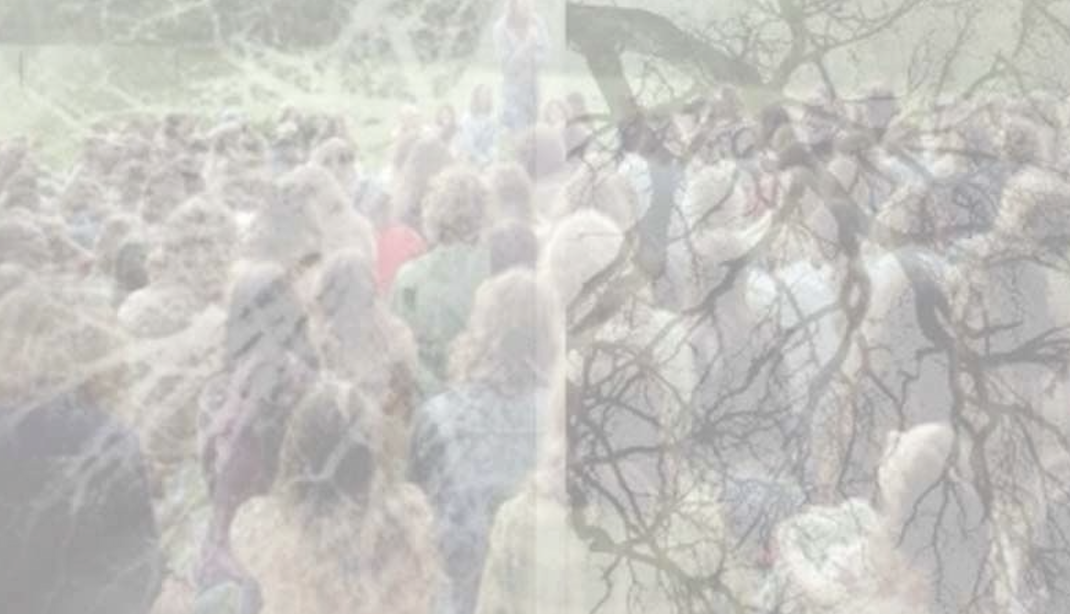
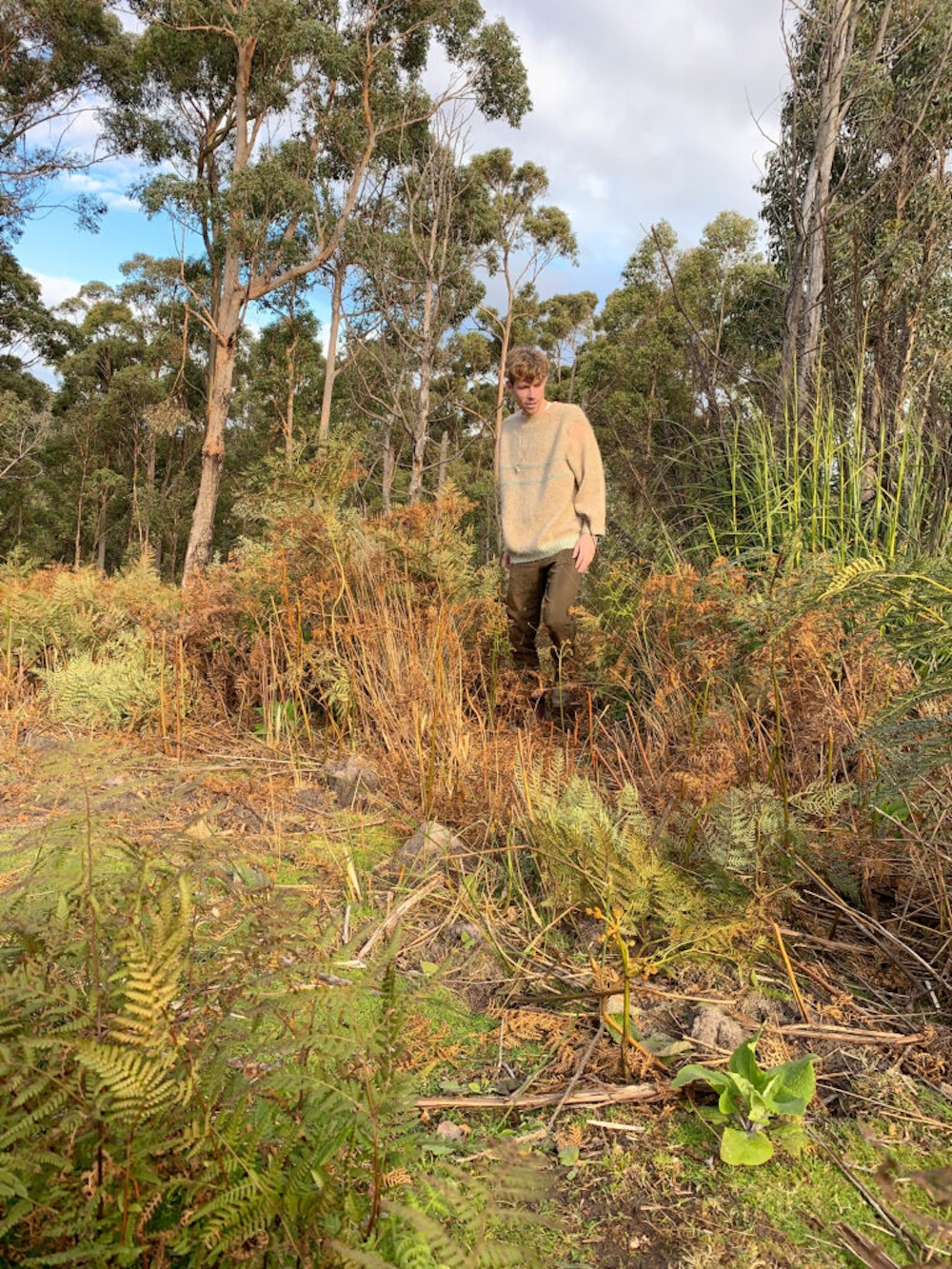
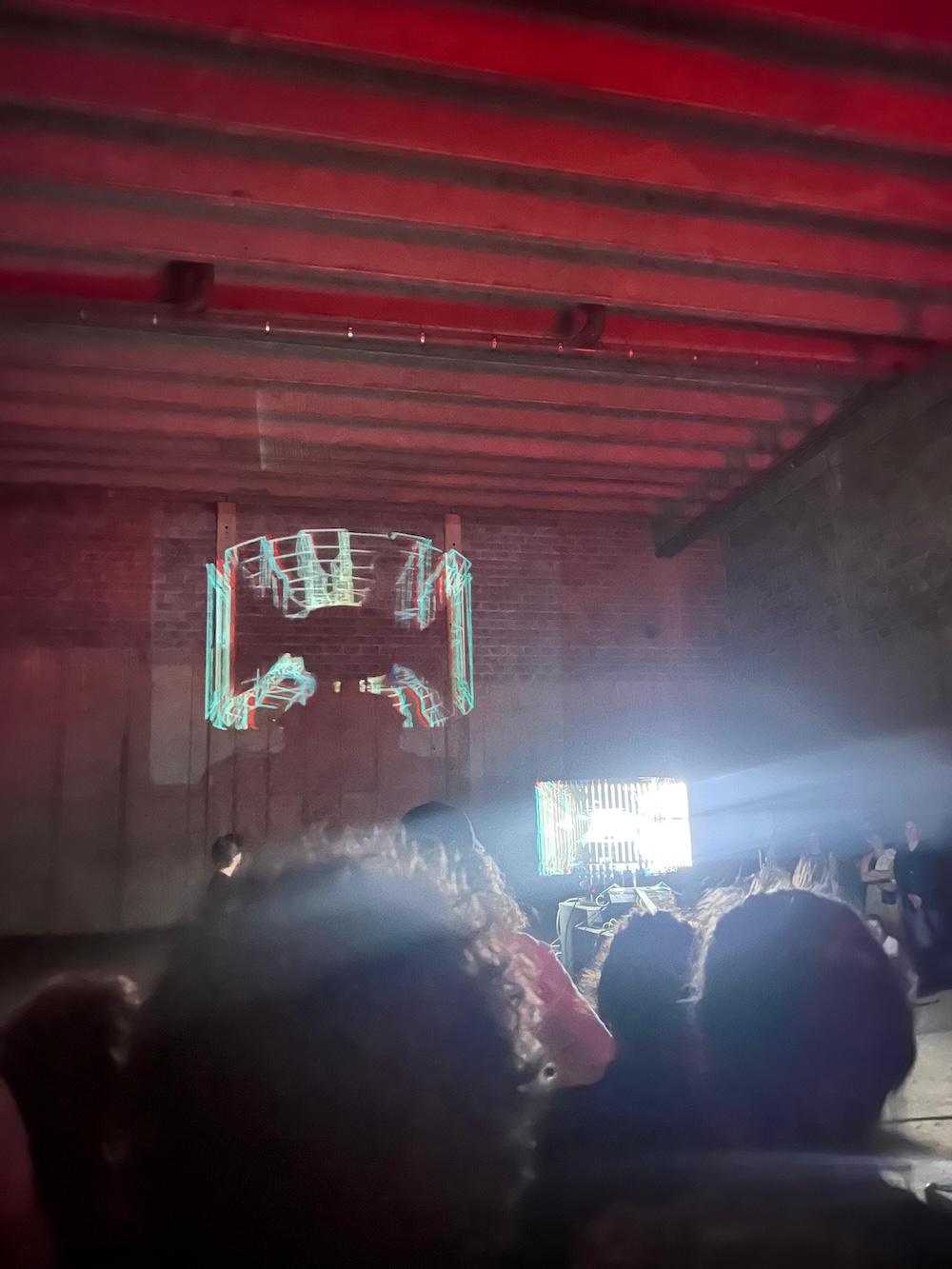
Deep in the woods at our very own Bush of Ghosts stage at Watching Trees, Scottish producer Brian d’Souza, aka Auntie Flo, brought his ‘Plants Can Dance’ project to life in a five-hour ambient set beneath a canopy of trees.
Drawing from the playlists he’s been curating for Imperial College’s psychedelic therapy trials, d’Souza transformed the clearing into what he describes as “a sanctuary away from the main stage,” where human – and non-human – audiences alike could experience music designed to mirror the quiet intelligence of the natural world.
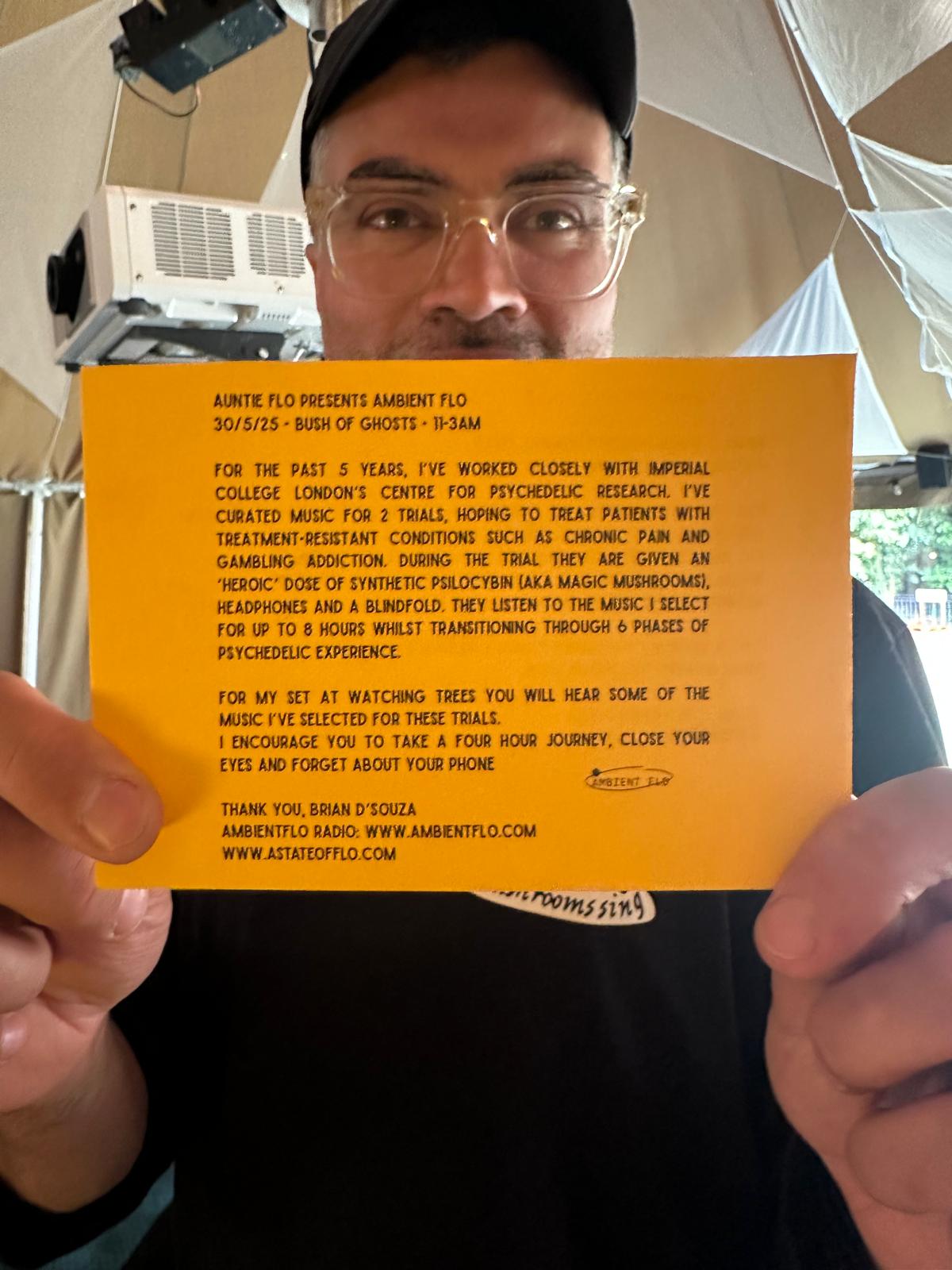
This 90 min excerpt captures the heart of that nocturnal performance, guiding listeners through the Ascent, Peak, and Descent phases – a journey filtered from the vast database of ambient music d’Souza has amassed over five years of running Ambient Flo radio. The setting itself became integral to the experience: darkness creating a natural sensory deprivation that, as d’Souza notes, allows listeners to become “more absorbed in their other senses, including the sounds they hear.”
At the core of d’Souza’s ‘Sunflowers’ next instalment for our Music To Watch Seeds series lies a profound botanical truth: sunflowers practice cooperation over competition. Recent research reveals that when these plants encounter nutrient-rich soil between neighbours, they deliberately root elsewhere to avoid conflict – a form of underground etiquette that challenges our traditional understanding of survival of the fittest. D’Souza’s album captures this behaviour sonically, using biodata from his son’s sunflower in their London garden, converted into sound through his modular synthesiser via Instruo’s Scion module.
This live performance extends that concept into the forest, where ambient music fulfils its original definition – having enough space to mix with environmental sounds, creating a novel soundscape at all times. As d’Souza reflects on Peter Wohlleben’s ‘Hidden Life Of Trees’ and its description of forests as interconnected social networks, the Bush of Ghosts set becomes a meditation on what he calls “the More Than Human world” – a space where silence represents the fragility of life, and where trees, unlike festival-goers, “aren’t going to leave the dancefloor if they don’t like a track.”
The result is an invitation to forge a deeper connection with the natural world, to witness how plants can indeed dance.
Who are you, why were you at Bush of Ghosts and what does this twig-constructed stage deep in the woods mean to you at Watching Trees?
I’m Brian d’Souza, last year i did a five hour ambient set at Bush Of Ghosts, playing music from the playlists I’ve been curating for some of Imperial Colleges psychedelic therapy trials. The stage was a nice addition to the festival, a sanctuary away from the main stage.
Tell us about this mix and how it was constructed?
I took a long time filtering through the music I’d pooled together for the psychedelic therapy trials. Most of this was from the huge database of ambient music I’d amassed through the five years of running Ambient Flo radio. The performance was split into six phases, which peaked somewhere in the middle. This two-hour section takes us from the Ascent phase, through Peak and down into the Descent.
How does performing ambient music in a forest differ from a traditional venue, and does the living environment around you become part of the composition itself?
Its always nice to perform outside and in nature, however, it was night so was very dark so maybe the impact was lessened. Nice to have a natural toilet within the vicinity though!
How does the physical setting where ambient music is experienced change its meaning or emotional impact?
I think that goes for any music, it’s as much about hearing the space, the soundsystem, the artistry as the song. Ambient Music is inherently environmental music – it’s original defintion relates to it’s ability to have enough space to that it mixes with environmental sounds, creating a novel soundscape at all times.
Surrounded by trees at night, How does playing for both human and non-human audiences shift your awareness?
It would be interesting if we could ask the trees. I’ve been reading Peter Wohlleben’s ‘Hidden Life Of Trees’ where he describes the interconnected nature of a forest and a trees ability to pick up and communicate signals, kinda like a social network. So it’s fun to think of the More Than Human world in situations like this, and with trees, at least they aren’t going to leave the dancefloor if they don’t like a track.
Brian Eno defined ambient music as something that can be “actively listened to with attention or as easily ignored.” In a forest setting like Bush of Ghosts, can it ever truly be ignored when nature itself is so present?
I guess it depends on the time of day – nature is much more vocal in the morning, especially with the Dawn Chorus. So perhaps at that time, nature would mask the music but in other times the music would be more present? Whether you listen or ignore it is up to you though, and everyone will have different abilities in that sense.
How does your music composition change for day versus night phases in a plant’s life cycle? Playing at night under the trees, did that nocturnal setting shift how you approached the performance?
It’s nice to play at night as you have a natural sensory deprivation of sight due to the darkness. This hopefully means one is more absorbed in their other senses, including the sounds they hear. The differences,for performance, are probably more subtle.
Your album for Music To Watch Seeds Grow By captures biodata from your son’s sunflower in your London garden. Can you walk us through the technical process of converting that living data into sound through the modular synth?
It’s simple really: there are a bunch of devices out there that work like a galvanometer – pickling up of water and other electrical signals within living things and turning that biodata into sound. For the Sunflowers album I used Instruo’s Scion module to do this, connecting the clips to a living sunflower and then composing the tracks using the sunflowers data. My intention was to attempt to track a sunflowers life cycle and embody that in sound.
What role does silence or pauses play in evoking this process?
Absolutely, in this case silence represents the fragility of life and is especially evident in the opening few songs, which are intended to embody the earlier stages of the sunflowers life cycle.
What does ambient mean to you?
Brian Eno, Deep Listening, Ambient Flo
The research for your Seeds project shows sunflowers deliberately avoid competing underground, choosing cooperation instead. Did working with this data change how you think about collaboration or your own creative process?
Not really but help re-enforce my view that collaboration is the key to musical utopia.
Do you use specific frequencies or tonalities that resonate with the natural world? If so which instruments or sounds evoke the feeling of nature and growth most effectively for you?
I’ve experimented with different tunings that are supposedly more in sync with the frequencies found in nature. I think the jury is still out on these, mainly because there are too many variables in terms of how subjective this all is to be able to make universal statements.
What did you grow in your garden this year, and what’s your favorite part of the planting process?
We have two veg patches in our garden, which i made use of for the first time. As well as sunflowers, we grew tomatoes, potatoes and a range of herbs – sage, cress, thyme, rosemary. We were less successful with carrots, lettuce and spinach.
What should listeners take away from experiencing Plants Can Dance beyond just the music itself?
A deeper connection with the natural world.
When are you happiest?
In the studio creating new ideas
When’s the last time you bought a plant or seeds, and what was it?
See above!
If you were a plant, what would you be and why?
An old oak tree: wise, stoic, solid, respected and a supporter of life under my canopy!
Who are you, why were you at Bush of Ghosts and what does this twig-constructed stage deep in the woods mean to you at Watching Trees?
I’m Brian d’Souza, last year i did a five hour ambient set at Bush Of Ghosts, playing music from the playlists I’ve been curating for some of Imperial Colleges psychedelic therapy trials. The stage was a nice addition to the festival, a sanctuary away from the main stage.
Tell us about this recording and how it was constructed?
If you mean the mix, I took a long time filtering through the music i’d pooled together for the psychedelic therapy trials. Most of this was from the huge database of ambient music I’d amassed through the five years of running Ambient Flo radio. The performance was split into six phases, which peaked somewhere in the middle. This two hour section takes us from the Ascent phase, through Peak and down into the Descent.
How does performing ambient music in a forest differ from a traditional venue, and does the living environment around you become part of the composition itself?
Its always nice to perform outside and in nature, however, it was a night so was very dark so maybe the impact was lessened. Nice to have a natural toilet within the vicinity though!
How does the physical setting where ambient music is experienced change its meaning or emotional impact?
I think that goes for any music, it’s as much about hearing the space, the soundsystem, the artistry as the song. Ambient Music is inherently environmental music – it’s original defintion relates to it’s ability to have enough space to that it mixes with environmental sounds, creating a novel soundscape at all times.
Surrounded by trees at night, How does playing for both human and non-human audiences shift your awareness?
It would be interesting if we could ask the trees. I’ve been reading Peter Wohlleben’s ‘Hidden Life Of Trees’ where he describes the interconnected nature of a forest and a trees ability to pick up and communicate signals, kinda like a social network. So it’s fun to think of the More Than Human world in situations like this, and with trees, at least they aren’t going to leave the dancefloor if they don’t like a track.
Brian Eno defined ambient music as something that can be “actively listened to with attention or as easily ignored.” In a forest setting like Bush of Ghosts, can it ever truly be ignored when nature itself is so present?
I guess it depends on the time of day – nature is much more vocal in the morning, especially with the Dawn Chorus. So perhaps at that time, nature would mask the music but in other times the music would be more present? Whether you listen or ignore it is up to you though, and everyone will have different abilities in that sense.
How does your music composition change for day versus night phases in a plant’s life cycle? Playing at night under the trees, did that nocturnal setting shift how you approached the performance?
It’s nice to play at night as you have a natural sensory deprivation of sight due to the darkness. This hopefully means one is more absorbed in their other senses, including the sounds they hear. The differences for performance are probably more subtle.
Your album for Music To Watch Seeds Grow By captures biodata from your son’s sunflower in your London garden. Can you walk us through the technical process of converting that living data into sound through the modular synth?
It’s simple really: there are a bunch of devices out there that work like a galvanometer – pickling up of water and other electrical signals within living things and turning that biodata into sound. For the Sunflowers album I used Instruo’s Scion module to do this, connecting the clips to a living sunflower and then composing the tracks using the sunflowers data. My intention was to attempt to track a sunflowers life cycle and embody that in sound.
What role does silence or pauses play in evoking this process?
Absolutely, in this case silence represents the fragility of life and is especially evident in the opening few songs, which are intended to embody the earlier stages of the sunflowers life cycle.
What does ambient mean to you?
Brian Eno, Deep Listening, Ambient Flo
The research for your Seeds project shows sunflowers deliberately avoid competing underground, choosing cooperation instead. Did working with this data change how you think about collaboration or your own creative process?
Not really but help re-enforce my view that collaboration is the key to musical utopia.
Do you use specific frequencies or tonalities that resonate with the natural world? If so which instruments or sounds evoke the feeling of nature and growth most effectively for you?
I’ve experimented with different tunings that are supposedly more in sync with the frequencies found in nature. I think the jury is still out on these, mainly because there are too many variables in terms of how subjective this all is to be able to make universal statements.
What did you grow in your garden this year, and what’s your favorite part of the planting process?
We have two veg patches in our garden, which i made use of for the first time. As well as sunflowers, we grew tomatoes, potatoes and a range of herbs – sage, cress, thyme, rosemary. We were less successful with carrots, lettuce and spinach.
What should listeners take away from experiencing Plants Can Dance beyond just the music itself?
A deeper connection with the natural world.
When are you happiest?
In the studio creating new ideas
When’s the last time you bought a plant or seeds, and what was it?
See above!
If you were a plant, what would you be and why?
An old oak tree: wise, stoic, solid, respected and a supporter of life under my canopy!
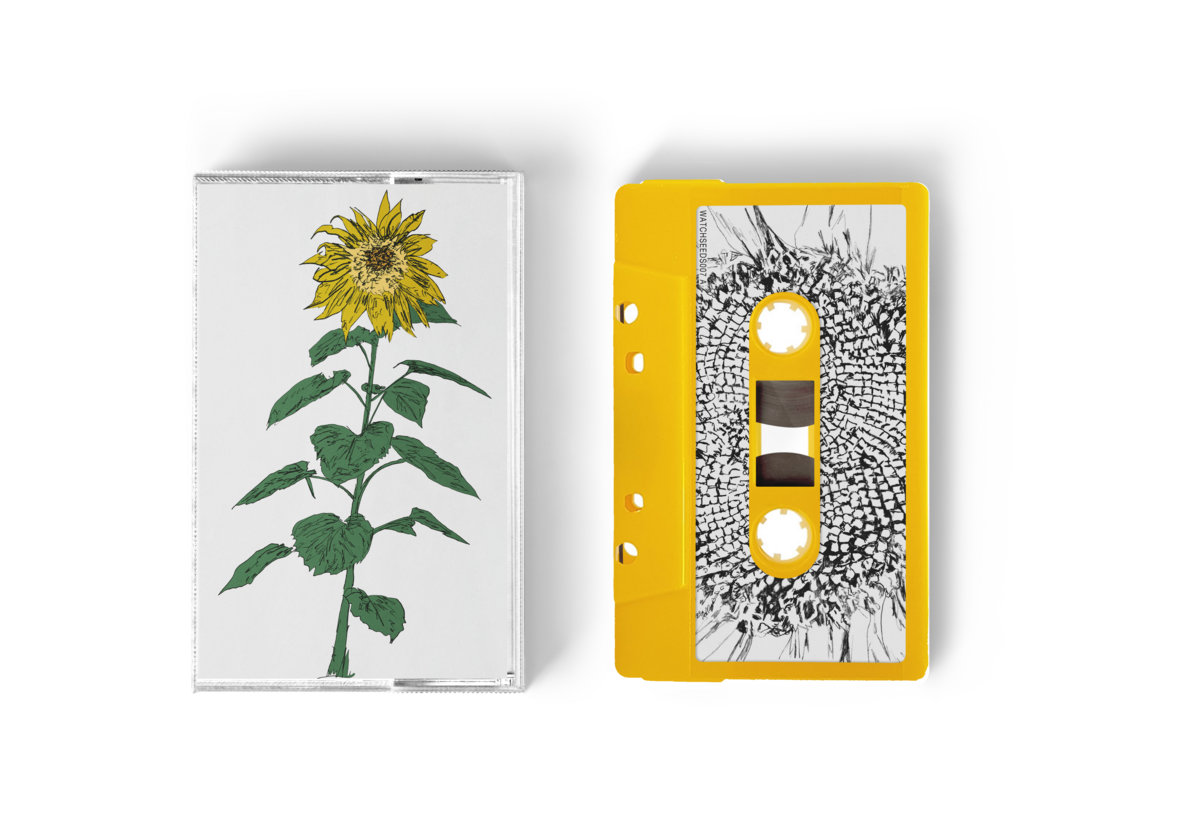
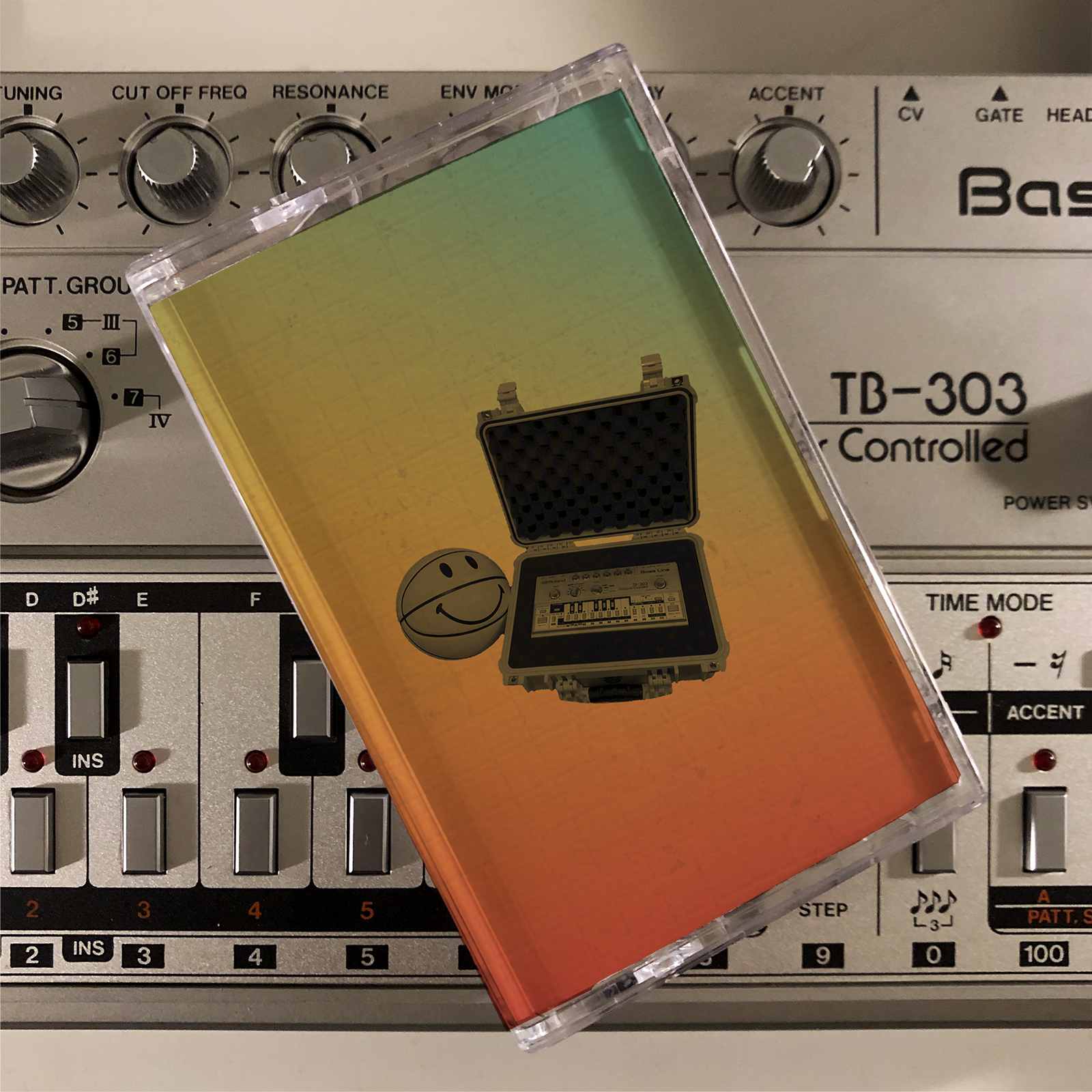
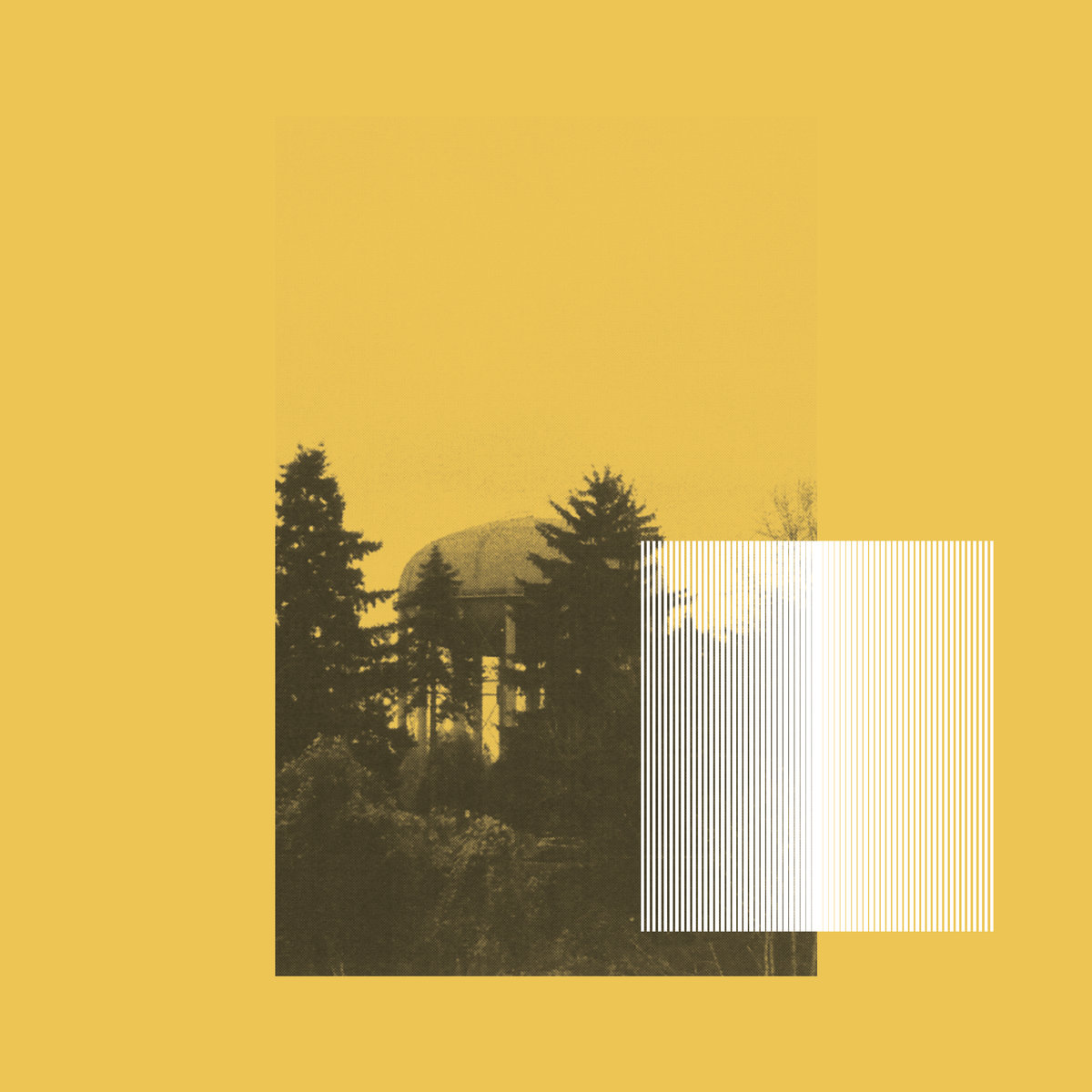
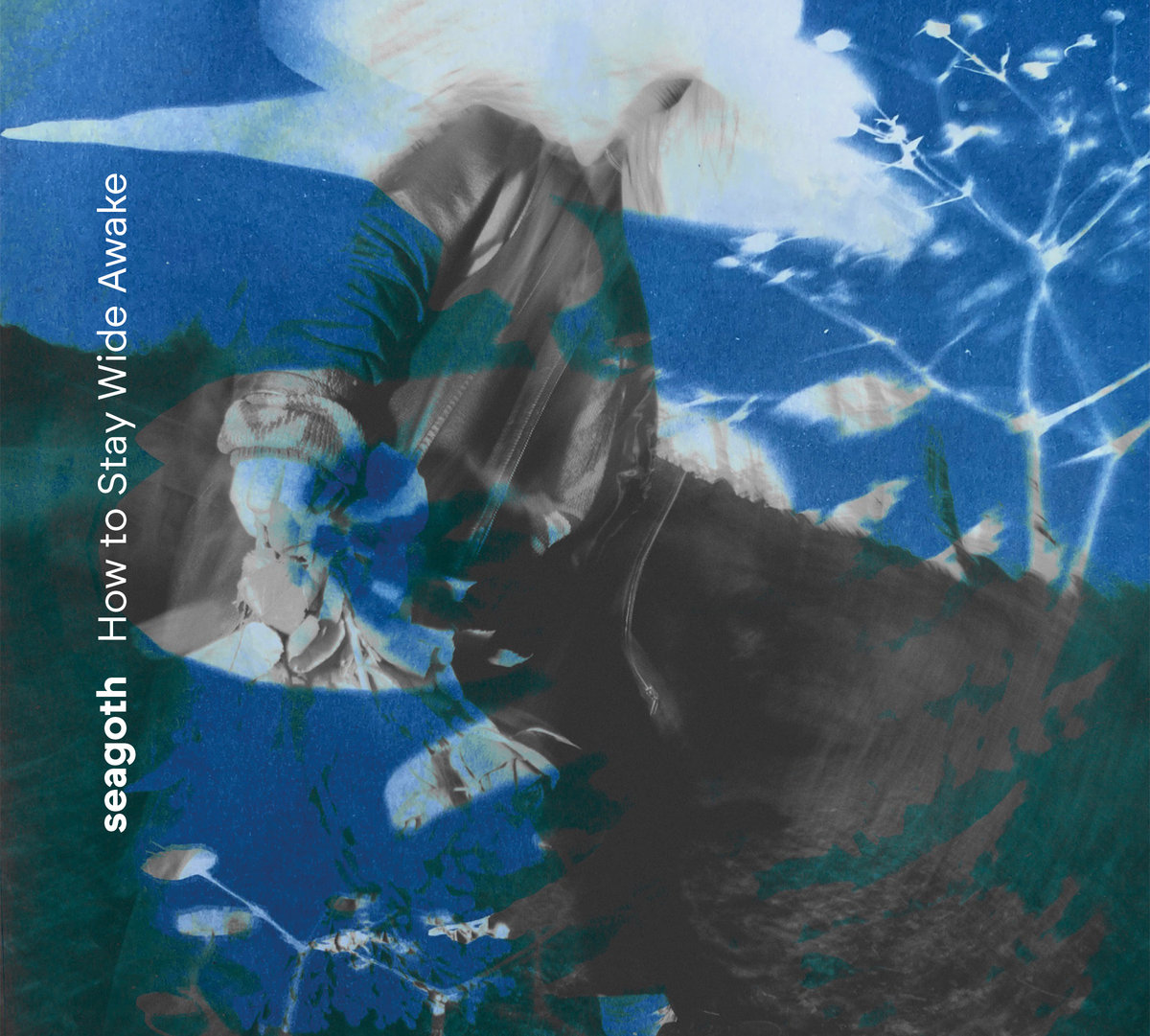
Brian d’Souza’s ode to Sunflowers is out on February 19th Music To Watch Seeds Grow By on a recycled cassette and comes with a packet of Sunflower seeds to sow whilst you play the music to watch your seed grow by.
Launch Party:
Plants Can Dance and Mushrooms Sing invites you to an ambient concert rooted in stillness, texture, and quiet transformation. Featuring Li Yilei and Brian d’Souza, this special gathering also marks the launch of Sunflowers, Brian d’Souza’s new album, released on Music To Watch Seeds Grow By.
@ Hideout in Hackney on Sunday 22nd February
Tracklisting
Hybrid Palms – Ocean Plaza
Cool Maritime – Amphibia
Richard Norris – Fire
The NRG – LA Inhabitants
Green-House – Perennial Bloom
Imaginary Softwoods – Mr. Big Volume
Lemna – Lapis Lazuli
Wallace – By The Lake
Grand River – Petrichor
Bing & Ruth – The Pressure of this Water
Elori Saxl – Blue
Takashi Kokubo, Andrea Esperti – Lights Of Alpha Centauri
Tim Hecker – Violet Monumental I
Tim Hecker – Violet Monumental II
Butch & Vogt – Bliss (Reprise)
Caterina Barbieri – Fantas for Electric Guitar
Holden & Zimpel – Incredible Bliss
Jo Johnson – The Wave Ahead of the Wave Ahead
Grand River – Human
Heinali – Vita Nova+C43
Loscil & Lawrence English – Cyan
Alessandro Cortini – La sveglia (drum version)
GAS – Der Lange Marsch 2
Tim Hecker – The Piano Drop
Brian d’Souza – The Beach
Imaginary Softwoods – Diagram Of The Universe









Must Reads
David Holmes – Humanity As An Act Of Resistance in three chapters
As a nation, the Irish have always had a profound relationship with the people of Palestine
Rotterdam – A City which Bounces Back
The Dutch city is in a state of constant revival
Going Remote.
Home swapping as a lifestyle choice
Trending track
Vels d’Èter
Glass Isle
Shop NowDreaming
Timothy Clerkin
Shop Now