Seeds Mix 013: Ibukun Sunday’s Rooted In Shadow mixtape
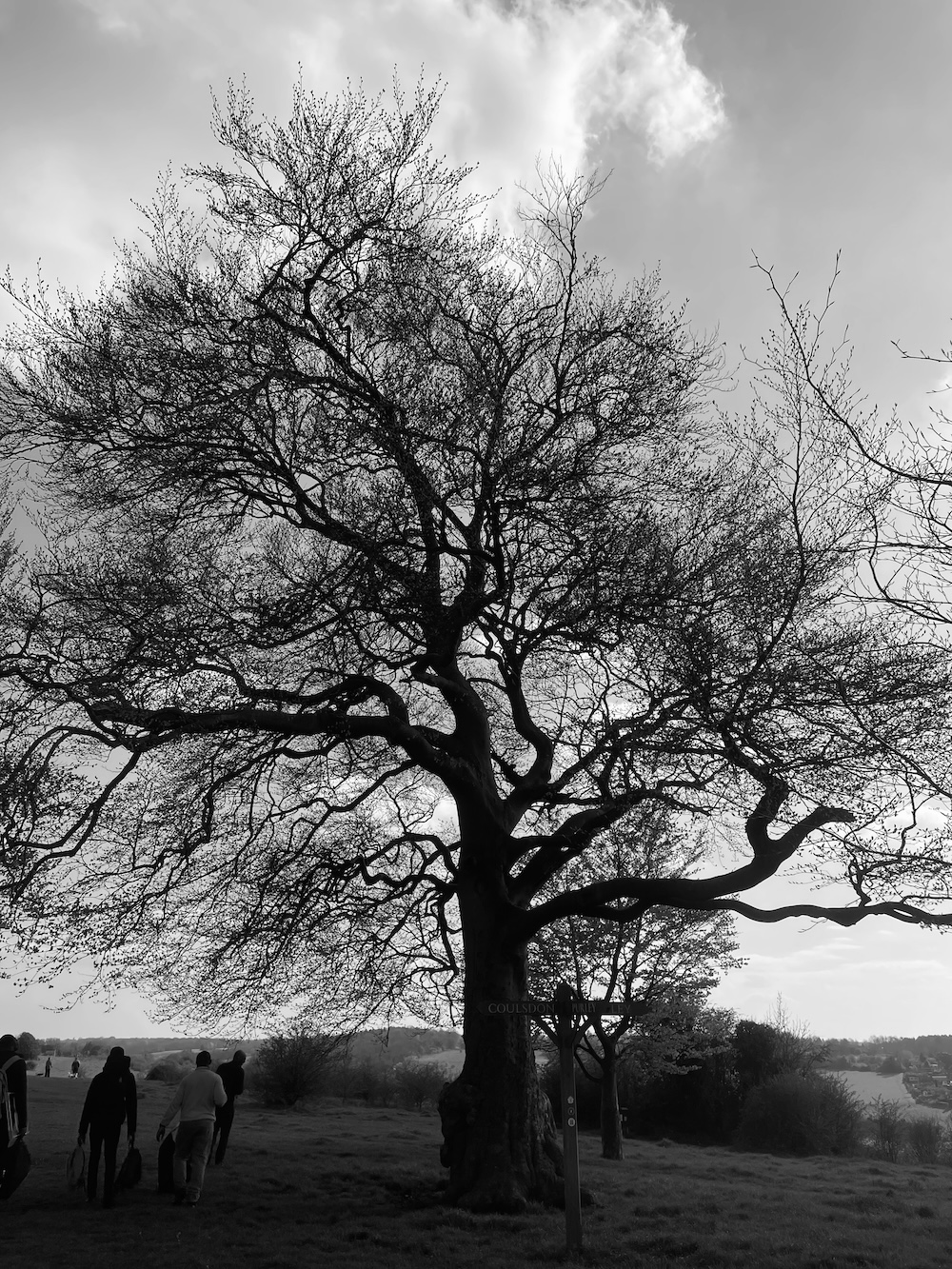
“Rushing it kills both the plant and the music. The beauty is in waiting with it.”
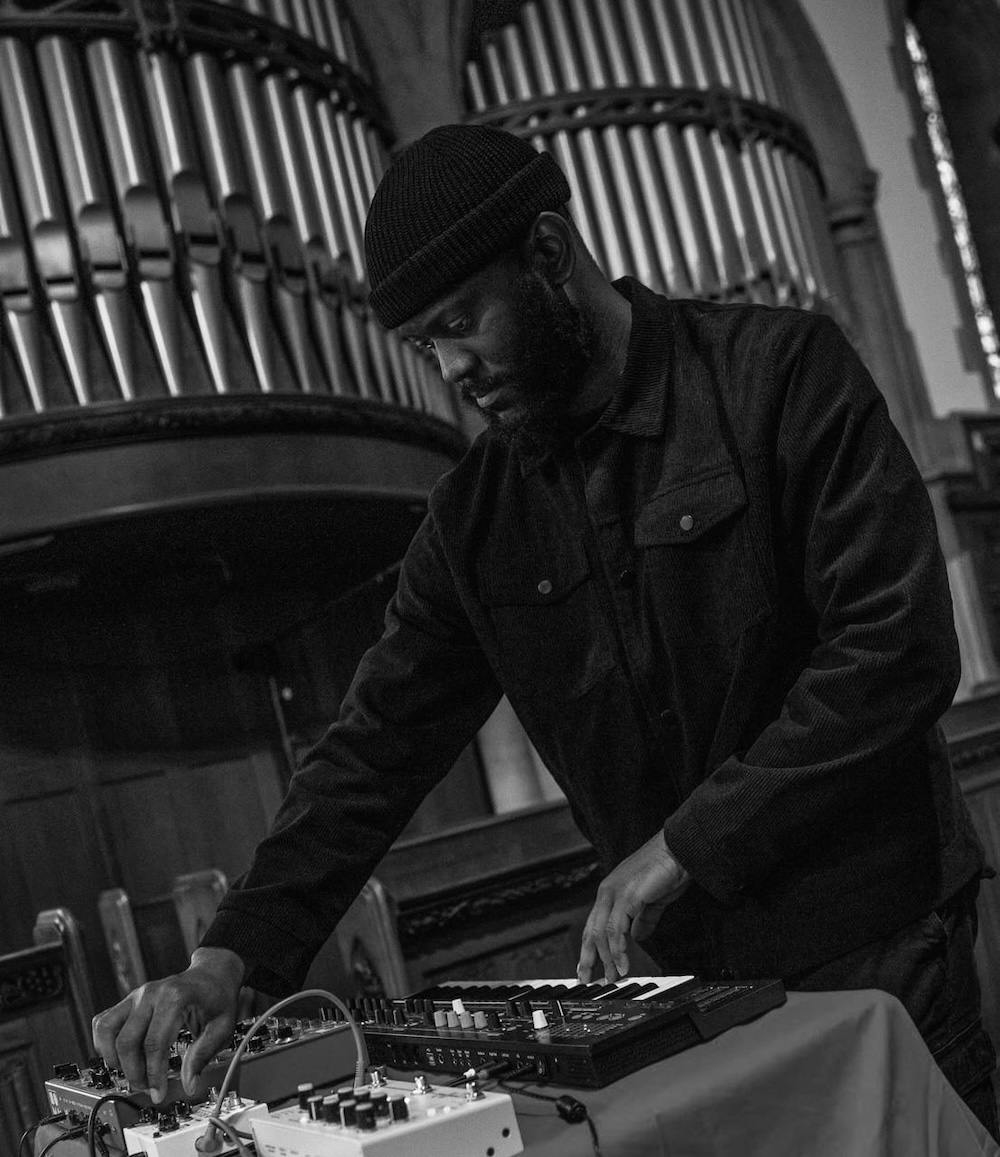
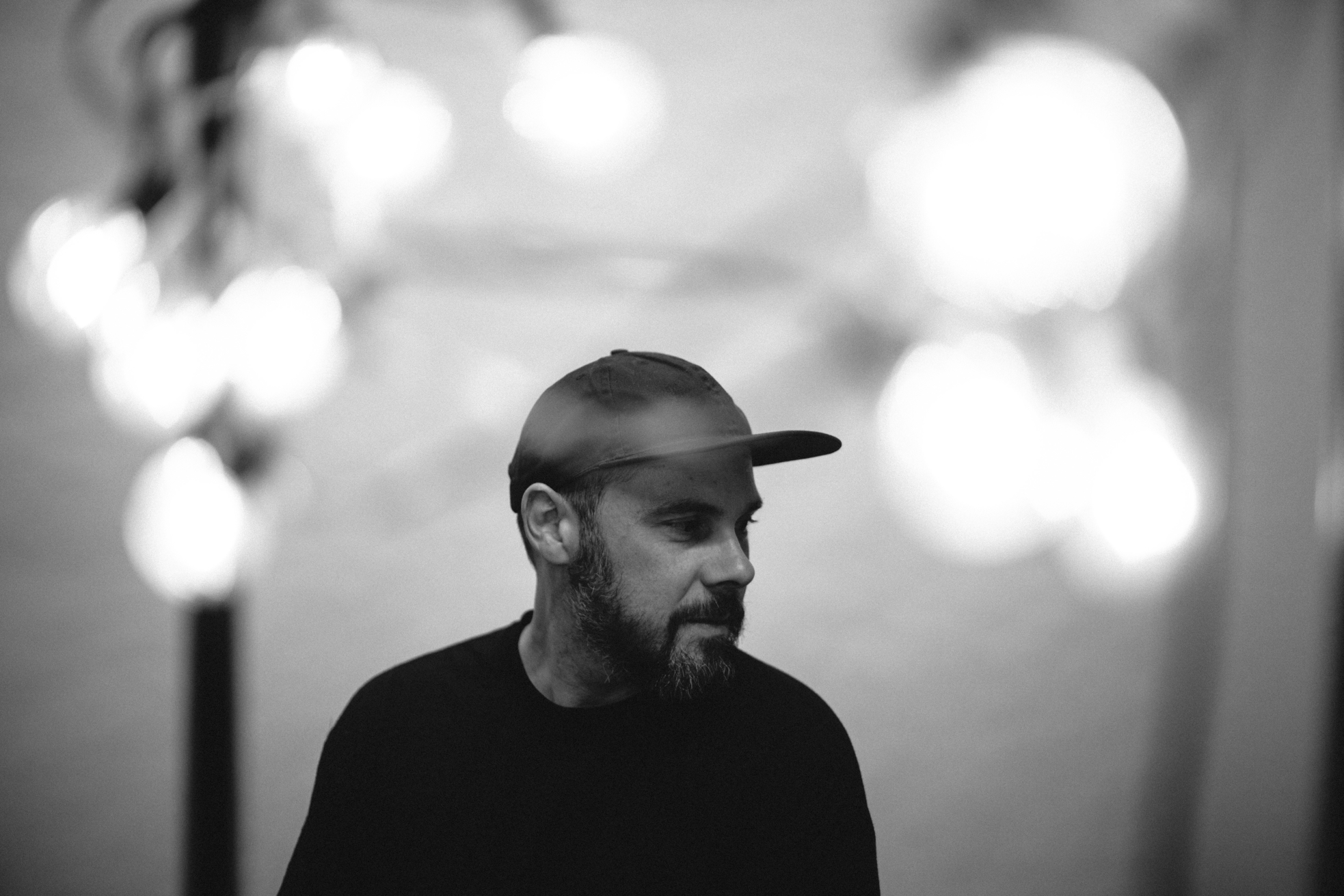
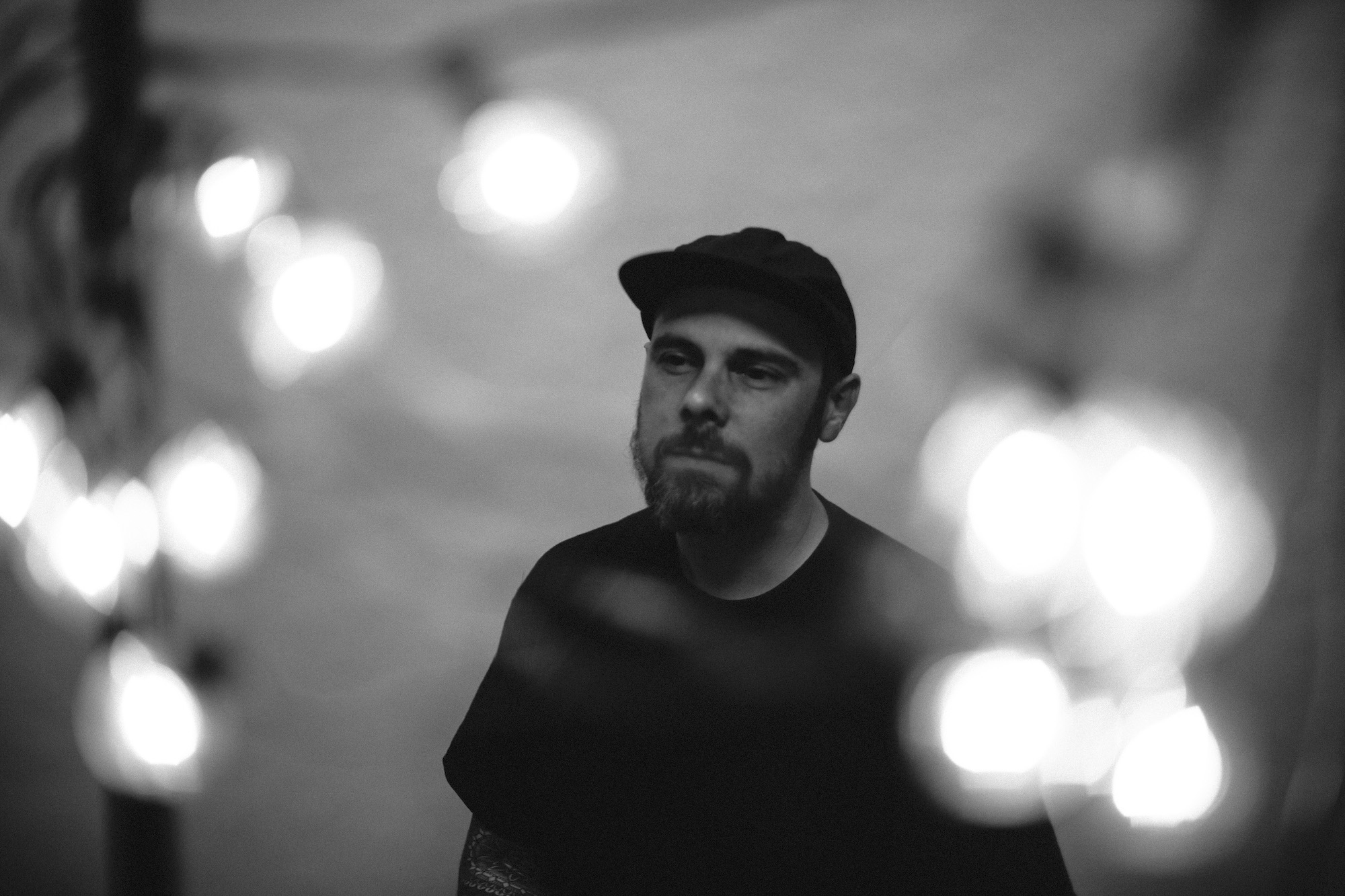
Ibukun Sunday makes music to “meet people in their intensity and guide them toward peace.” Lagos-born and now based in north London, he’s spent years translating that intensity into ambient work built from West African rhythmic sensibilities, deep drone, and a trained violist’s ear – a sound cultivated across releases for Phantom Limb and its Spirituals imprint, and most recently on this year’s Olúsín [Worshippers], a record about faith, devotion, and the silence between notes.

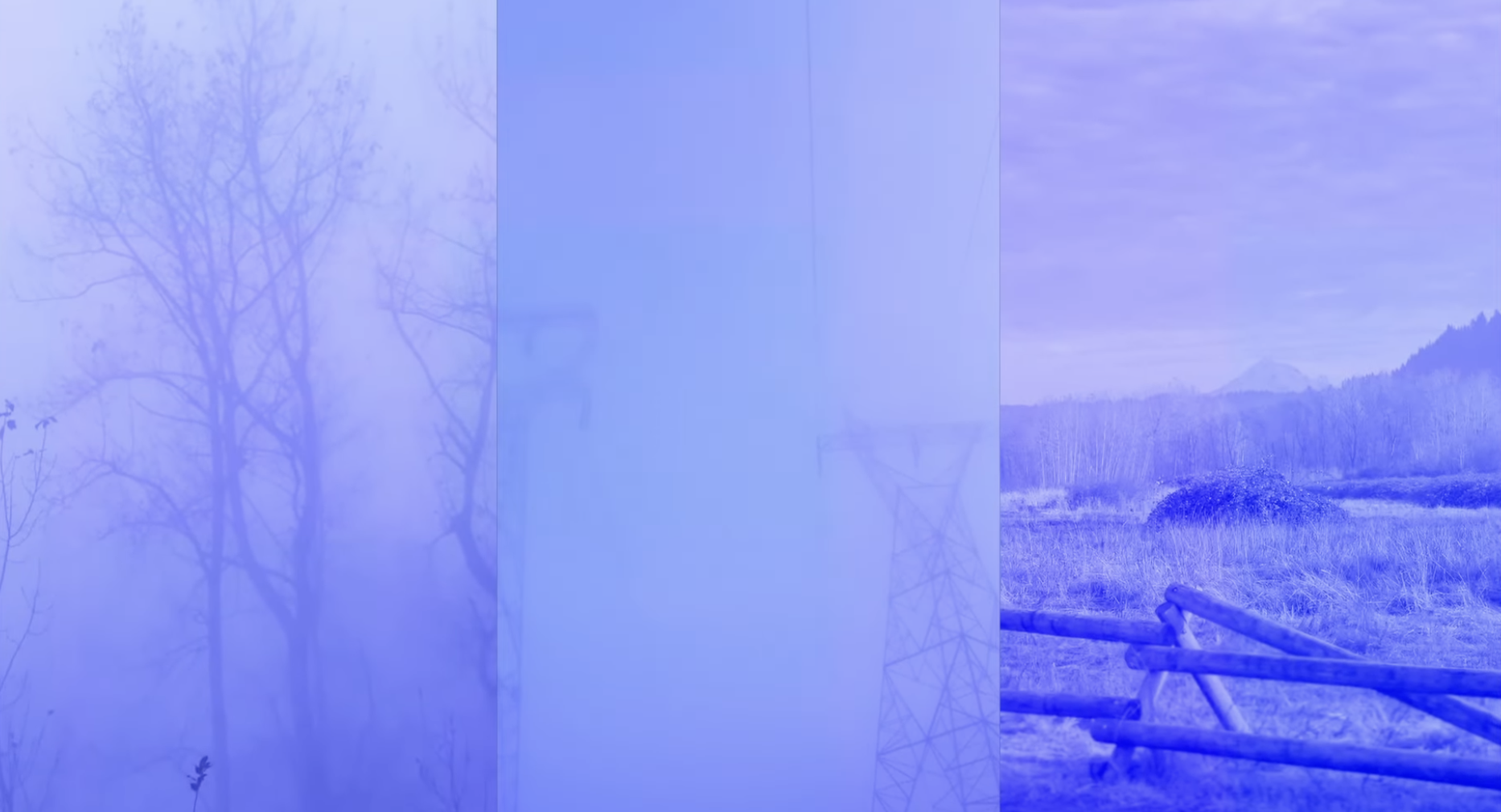
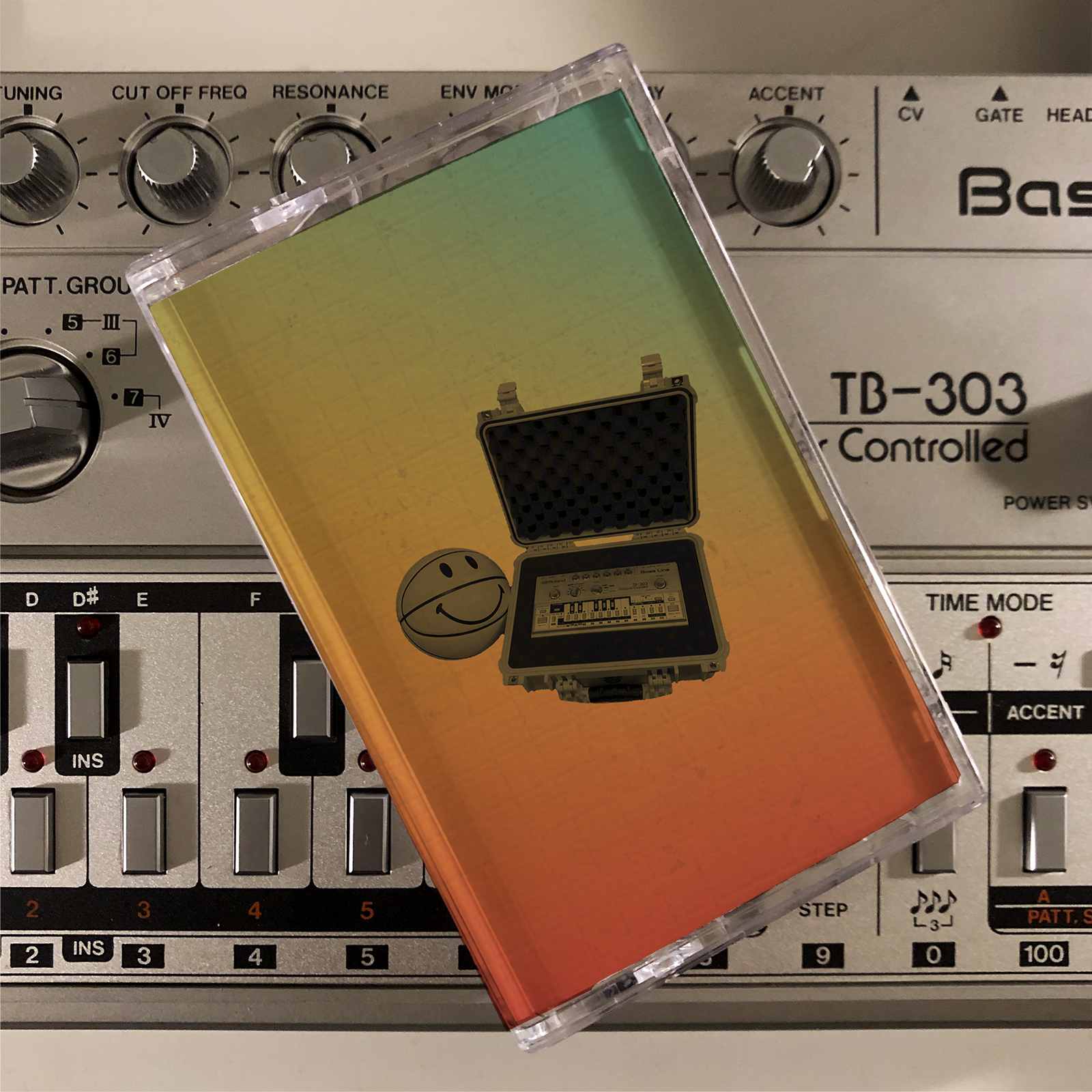
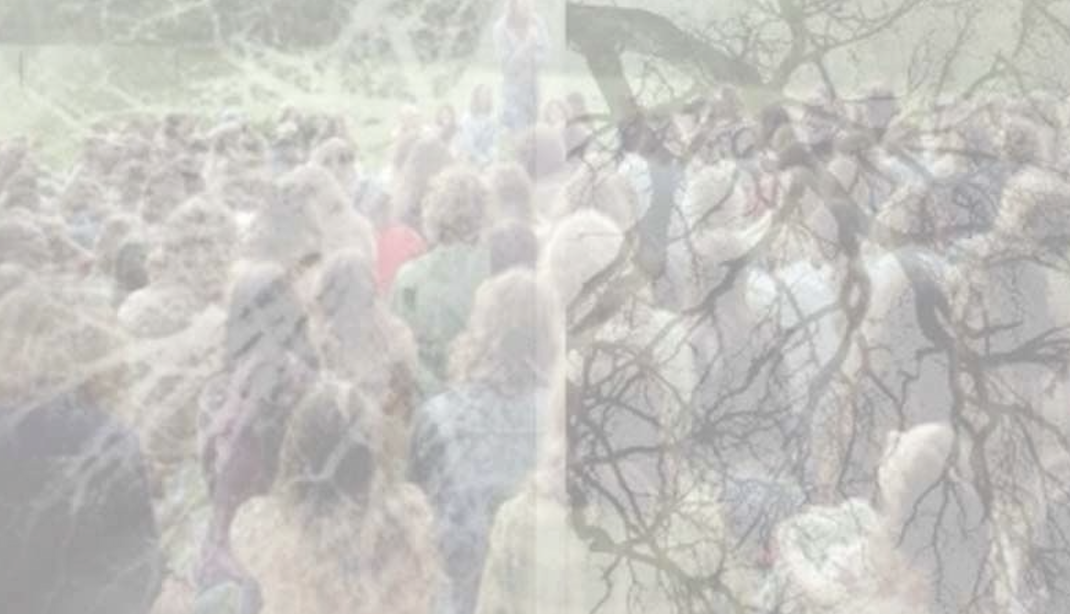
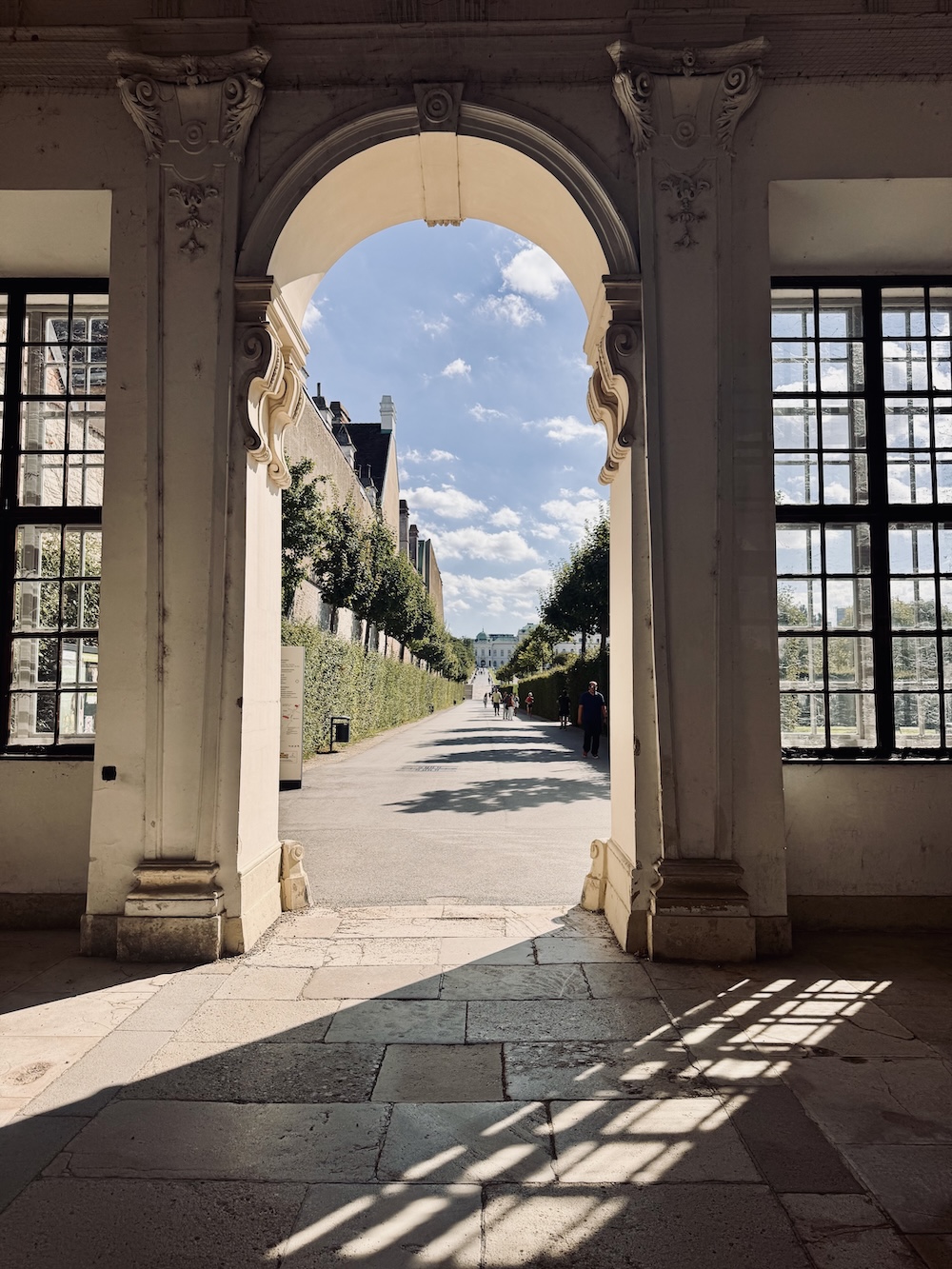
Where Seeds Mix 12 followed KiF Productions from dawn into dusk, Sunday’s Rooted in Shadow Seeds mix starts somewhere darker and stays there. The title runs deeper than mood: “many of our cultural experiences are rooted in worship and the ancestry of faith,” he says. “We are rooted in the shadows of all that came before us and all that built the world we inhabit.” It’s also, deliberately or not, Seeds Mix 13 – a number with its own shadow reputation. Sunday’s not fighting the omen: “Look at the image again: trees growing out of stone, light forcing its way through. That’s 13 to me.”
Having grown up in Lagos before settling in north London, his shadow carries two weathers at once – one that “feels generous,” one that’s “a season to endure and still grow” – both sitting in the mix together.
That carries into how it’s made: four private principles – time measured in seasons rather than bars, rhythm that stays steady, sound and harmony, structure. “Silence is space to grow into,” he says. “Pauses make time, not just rhythm.” Rush a note, rush a plant, and you lose both.
Sound-wise, field recordings – leaves, water in a cave, soil being turned – get time-stretched until they become pads rather than backdrop. Shadow itself works the same way: “If water is the pulse and wind is the sway, then shadow is the soil,” Sunday says.
“It’s what makes the light matter when it hits.”
Who are you?
I am Ibukun Sunday who makes music that meets people in their intensity and guides them toward peace and togetherness.
Why are you here?
Oh! Am here to translate intensity into meaning. To take things that feel chaotic, heavy, or hard to explain, and turn them into something that helps other people feel less alone.
How do you approach creating music that mirrors the slow, steady rhythm of plant growth?
Well I have four principles: Time – think in seasons, not bars. Rhythm – steady but alive. Sound and Harmony. Structure.
What role does silence or pauses play in evoking the growth process in your music?
Silence – space to grow into. Pauses – make time, not just rhythm, and let the listener participate too.
Your music leans on the silence between notes as its own kind of faith. Does tending a plant call for that same patience, waiting on something you can’t rush or fully see?
Silence is faith. When you let a note ring and then don’t play the next one, you’re saying: “I trust that what we’ve planted here is enough for now. I trust time will do the rest.” That’s devotion. That’s Worshippers. Rushing it kills both the plant and the music. The beauty is in waiting with it.
What’s “rooted” doing in the title – plant metaphor, something steadier like being grounded, or both?
Many of our cultural experiences are rooted in worship and the ancestry of faith. We don’t often think about this after we have left our places of worship, whether personally or collectively, but the basis of civilization is belief. We are rooted in it.
You’ve been here before – 2020’s Shadows (The Light of Light) said you need a dark side to be whole. Is Rooted in Shadow the same idea grown up, or somewhere new entirely?
This is a comparable idea, but not the same one. We need a dark side to be whole, true, but we are also rooted in the shadows of all that came before us and all that built the world we inhabit.
It’s Seeds Mix 13. Thirteen’s got its own shadow reputation – unlucky, left off buildings,
uneasy.
Do you think this was fate’s intervention or just how the numbers landed?
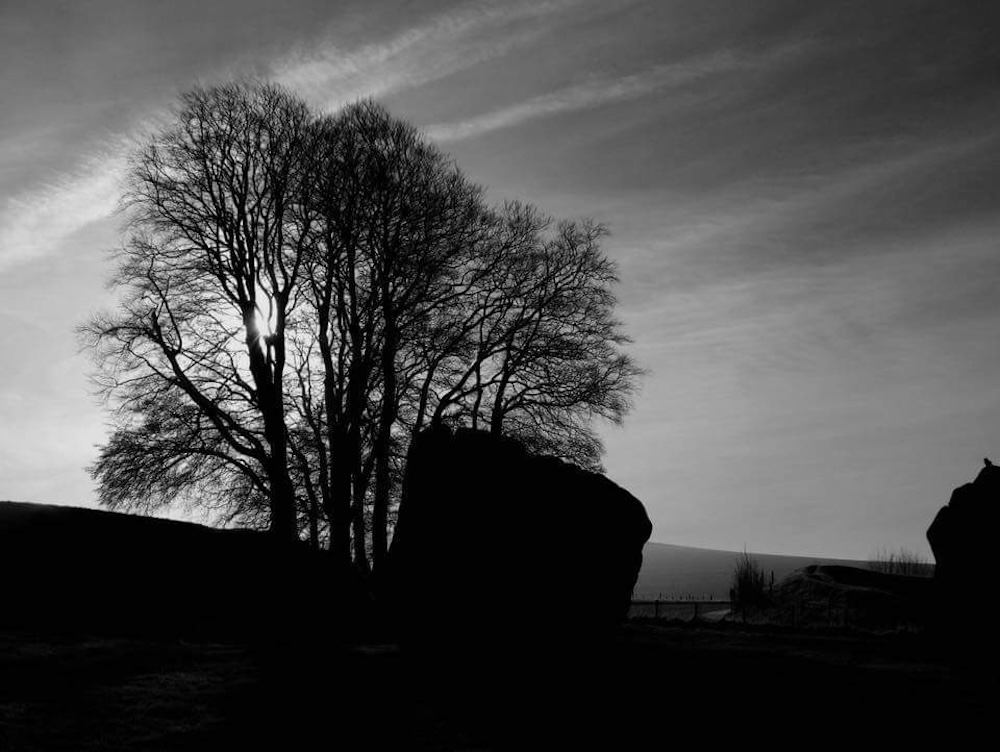
Mix 13 carries a shadow. Skipped floors, crossed fingers, the “bad omen” story we all learned. But look at the image again: trees growing out of stone, light forcing its way through. That’s 13 to me.
Plants do all their early growing in the dark, underground, before anything shows. Is that the “rooted in shadow” aspect – a growth that starts where you can’t see it?
It is more about growth that happened before we saw it. The people who grew our existence into what it is now. We might not be aware of them, but we could not be here without them.
You’ve said rushing kills the plant and the music both, and the beauty’s in the wait. Does this shadow side require a different kind of patience, or is it the same wait either way?
That’s where the best music lives, I think. In Seeds Mix 13. The track where you didn’t fill every space, where you let the silence be heavy, where the light only comes through for 4 seconds at the end.
You said environmental sounds tell the plants’ growth within the music, not just set the scene. Was shadow itself treated like a collaborator here, similar to water or wind?
Yes. 100%. If water is the pulse and wind is the sway, then shadow is the soil.
I didn’t just “set the scene” with darkness in Seeds Mix 13. I let shadow do work, the same way I let water and birds do work.
Water gives rhythm. Wind gives motion.
Shadow gives weight. It’s the low end, the sub, the reverb tail that never fully decays. It’s what makes the light matter when it hits. Without shadow, that burst through the trees in your photo would just be bright. With shadow, it’s revelation.
Water drips. Wind gusts. Birds call. Shadow moves slow. It’s the creep of dusk across 3 minutes. It’s the filter closing. It’s holding one note 8 bars longer than feels comfortable.
Shadow teaches patience that water can’t, because water always promises “something’s coming.” Shadow just sits with you.
You’re originally from Lagos – does shadow mean something different there, given the heat and light, than it might somewhere greyer and colder?
Yes. It means something completely different. Shadow in Lagos and shadow in North London aren’t the same plant.
Lagos shadow is never quiet. It’s danfo horns softened, music leaking from a bar, rain hitting a zinc roof but you’re dry underneath. Shadow holds the noise instead of killing it.
So shadow in Lagos feels generous. It’s not “dark.” It’s cool.
So what happens when you carry both? You end up with a different kind of patience.
Lagos taught you: shadow is a place to rest and still grow.
London taught you: shadow is a season to endure and still grow.
Put them together in Seeds Mix 13, and you get shadow that isn’t empty or heavy. It’s tending. Like standing under a tree in Lagos rain, but it’s January in London and the tree is bare.
The music probably holds both:
Warmth in the low end = Lagos shade
Space and silence = London winter
And that one burst of light = both. Relief & hope.
Olùsìn [Worshippers] by Ibukun sunday is out now.
Tracklist:
Ryan J Raffa – Sound of the Mountains
Henrik Meierkord – Skogsgränsen
Ibukun Sunday – Last Earth
Ibukun Sunday – Distance / No Turning Back
Ibukun Sunday – Edge
The Seeds mix is curated by musictowatchseedsgrowby.com











Must Reads
David Holmes – Humanity As An Act Of Resistance in three chapters
As a nation, the Irish have always had a profound relationship with the people of Palestine
Rotterdam – A City which Bounces Back
The Dutch city is in a state of constant revival
Going Remote.
Home swapping as a lifestyle choice
Trending track
Vels d’Èter
Glass Isle
Shop NowDreaming
Timothy Clerkin
Shop Now