Plants, Synths, and Sun-Staring: Brian d’Souza in Conversation with Justin Wiggan
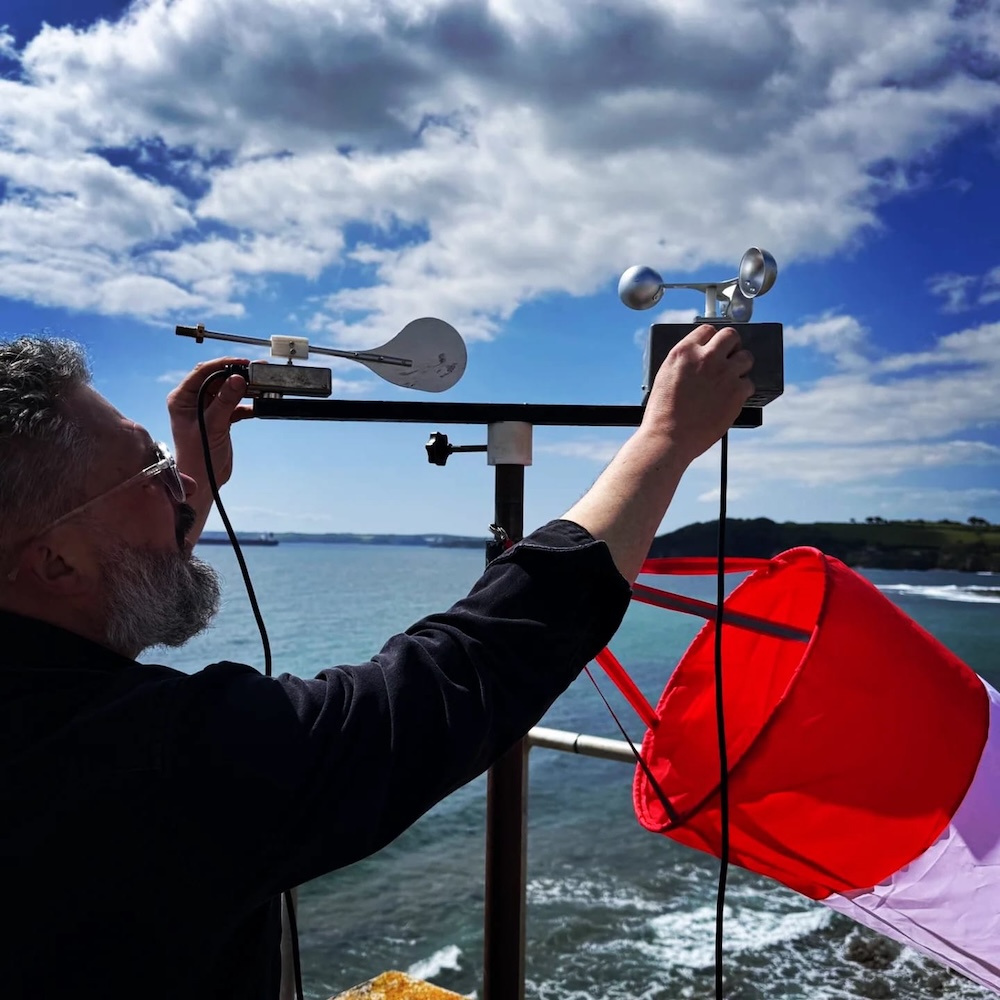
“Someone from Burnley will never be an astronaut but even a carrot can become a torch.”
In a world where Ableton’s terrifying efficiency has neatly homogenised most electronic music production presets and off-the-shelf MIDI controllers, a few beautiful renegades remain, dedicated to making things beautifully complicated.
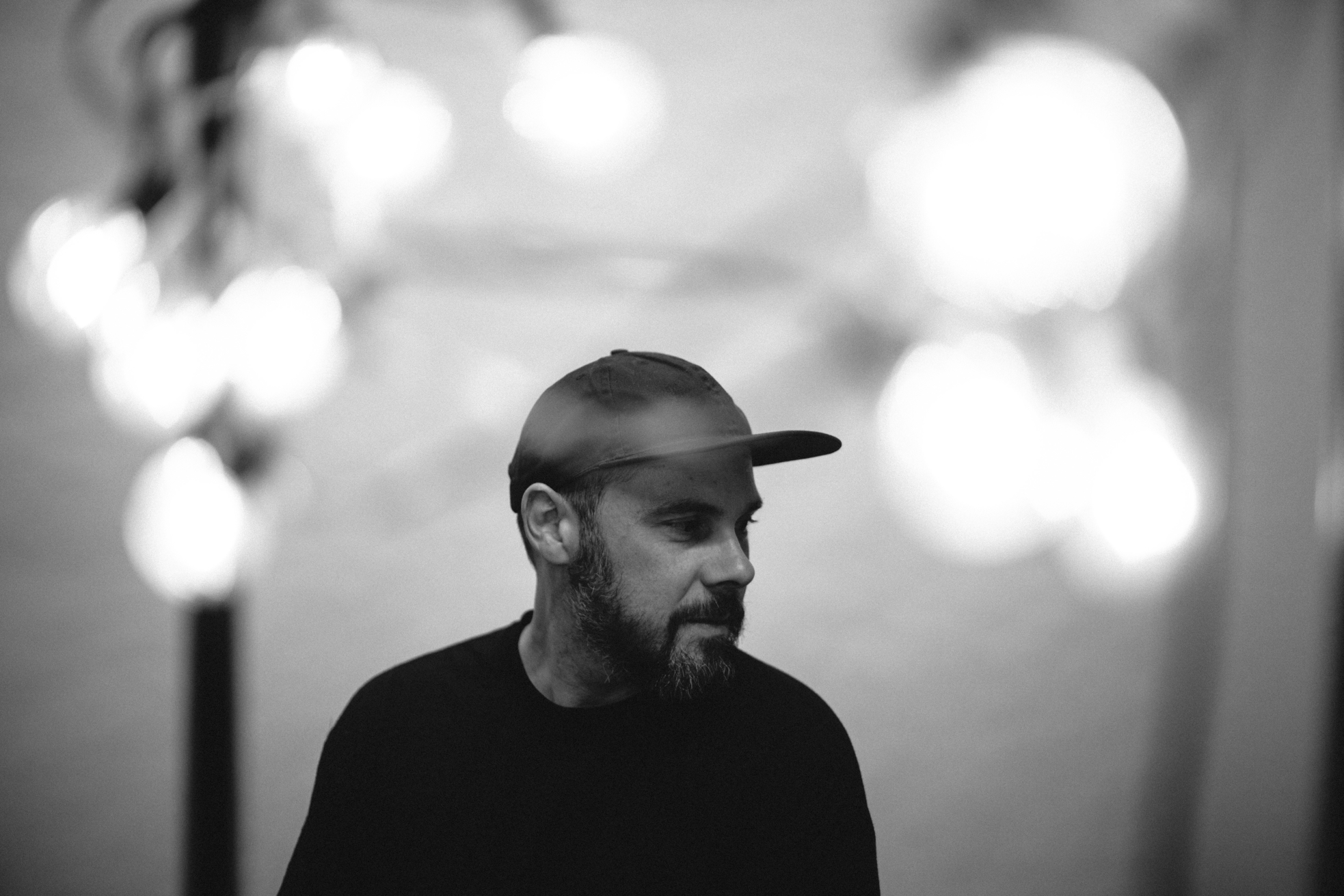
Enter Brian D’Souza (aka Auntie Flo) and Justin Wiggan.
D’Souza – the brilliant mind behind A State Of Flo Records – has curated Plants Can Dance, a compilation that acts as a spiritual sanctuary for artists operating at the lush intersection of nature, ambient drone, and sonic wellness… you might have noticed we’re quite partial to that round these parts. It’s an antidote to the clinical nature of modern life, a record that forces you to sit still and listen to the world breathing. D’Souza is no stranger to the dirt; he recently kicked off Season Two of our very own Music To Watch Seeds Grow By imprint with a joyous, modular-synth ode to the humble sunflower, capturing the plant’s hidden, subterranean social lives and root-level negotiations.
One standout track on the Plants Can Dance compilation is A Spectral Wind, a collaboration between sound artist Justin Wiggan and legendary Norwegian jazz trumpeter Arve Henriksen. But this isn’t just a standard studio jam. The track’s backbone was composed entirely by the weather, fed through custom-built hardware called the Windjammer.
Wiggan doesn’t buy gear; he builds it out of necessity, driven by a childhood mantra: “even a carrot can become a torch.” His story is a wild ride that checks in on childhood sun-staring in Burnley, 90s indie bands, late-night fields in Cornwall playing the cosmos with astronomical goggles, and the existential guilt of “playing” for a living while the world burns.
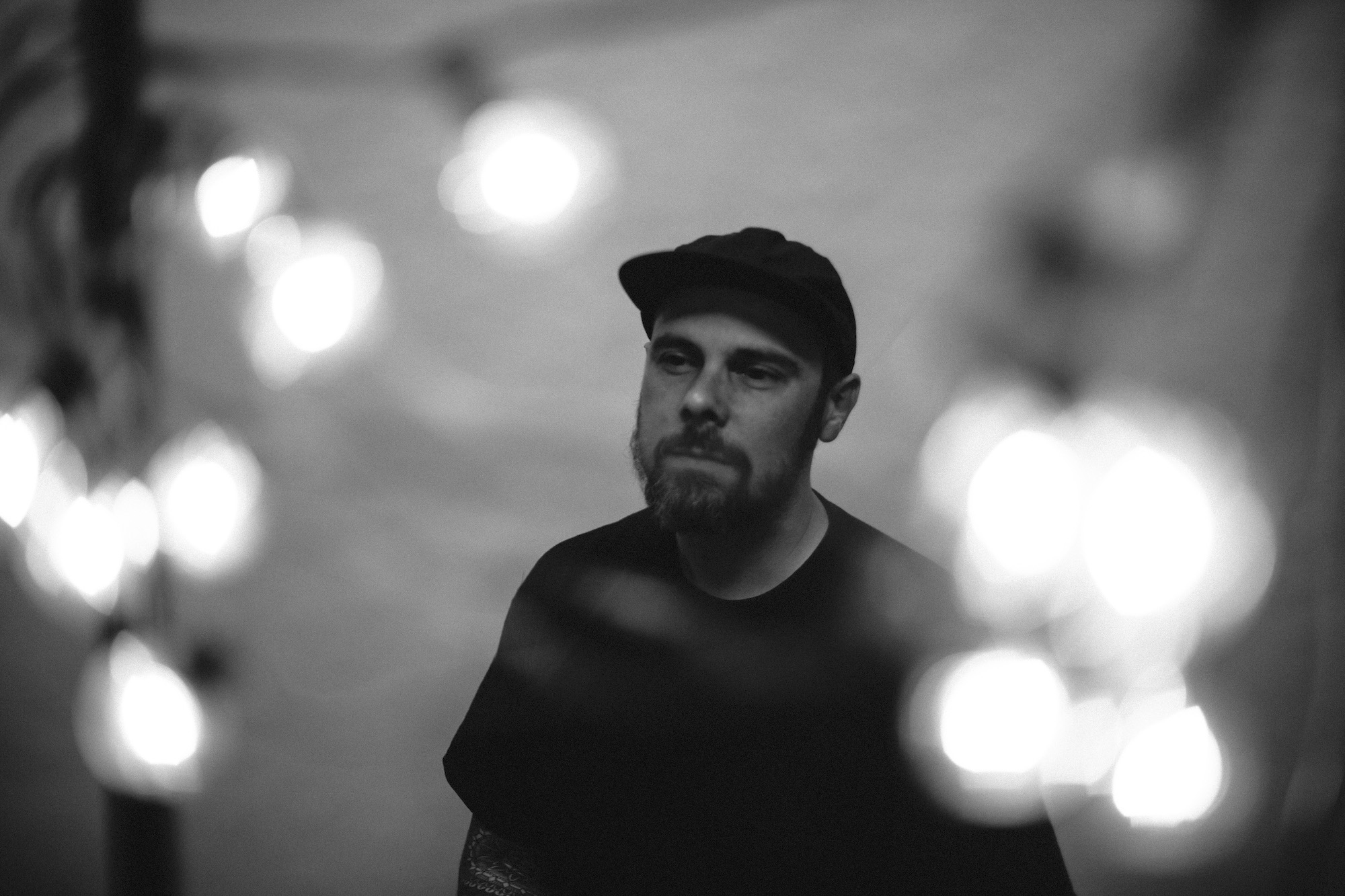
Brian D’Souza sat down with Justin to chat about custom-built synthesisers, navigating neurodivergence in the arts, and what it truly means to be an “earth-naut.”
Brian: Hi Justin. It was fantastic to include Justin’s track, A Spectral Wind – a collaboration with Norwegian jazz musician Arve Henriksen – on our new compilation. Justin, welcome. How do you describe what you do?
Justin: Thanks for having me, Brian. This compilation is vital because it puts a protective ring-fence around creators who share a similar, nature-minded vision, ensuring we don’t get dispersed.
Justin: To give you a bit of background, when I was five years old, a doctor told my mother that I would be completely blind by the time I was a teenager. It was a traumatic, heavy moment. I actually freaked out and ran out of the room, sprinting across nearby fields.
Justin: The reason I was given that diagnosis was because of a habit I had. Growing up in Burnley, I used to stand in the street at midday during the summer and stare directly into the sun. It created this trippy visual effect where the centre of the sun turned pitch black, and a silver line would bounce around it. As a child, I thought I was communicating with the sun. In reality, my retinas were burning.
Justin: Because of that looming threat of losing my sight, I subconsciously turned towards my sense of hearing. I didn’t fully realise this until lockdown, when I started questioning why I was so obsessed with sound. I traced it back to that defining childhood fear.
Justin: As a kid, I started collecting sounds with a shoebox tape recorder. On Sundays, when the charts were on the radio, my mum would do the housework. I remember trying to record Paul McCartney’s “The Frog Chorus” right next to the speaker, just as my mum came past with the vacuum cleaner and overloaded the microphone.
Justin: The playback was bizarre: this harsh, mechanical noise completely obliterating a gentle pop melody, with my mum’s voice cutting through shouting, “Get out of the way!” Listening back, I was fascinated. Those two polarities – melody and harsh noise – left a permanent sonic imprint on me.
Justin: This idea of hidden sounds, and using audio to “see” the world, led me to investigate nature. I was deeply influenced by 1970s sci-fi and books like “The Secret Life of Plants.” The anxiety of technology taking over a dying natural world formed the “sonic avatar” for my creative interests. Everything I do is about asking questions, rather than providing neat answers. During COVID-19, I watched my kids become obsessed with Minecraft. I found it fascinating that they were more engaged by a digital landscape than the actual outdoors. But it made sense: they could control that digital ecosystem. The real world had suddenly become an unpredictable, dangerous threat. I started thinking about how we can re-engage young people with their environment, and how sound could serve as an empathetic bridge between humans and nature. That line of thought turned into an absolute obsession with plant music. In fact, I eventually had to step back because it was making me ill.
Brian: What was making you ill?
Justin: The obsession itself. Even when I didn’t have my equipment, I’d look at a friend’s houseplants and obsessively imagine what they sounded like, convincing myself of their specific frequencies. I realised I needed to take a step back, so I pivoted to translating other natural data streams, like the sea and the sun, by building my own hardware.
Brian: Most of us work with commercially available audio software and hardware, but you build your own instruments from scratch. How did you transition into doing this professionally?
Justin: I was a singer in an indie band in the 90s. A record deal let me sit in a professional studio and treat the space itself as an instrument. Later, I joined a project called Dreams of Tall Buildings with musicians who were deep into circuit bending and modifying electronics. We actually recorded an album with Arve Henriksen back then. My path was always rooted in experimentation – not having money as a kid forced me to find creative solutions. My mantra has always been: “Even a carrot can become a torch.”
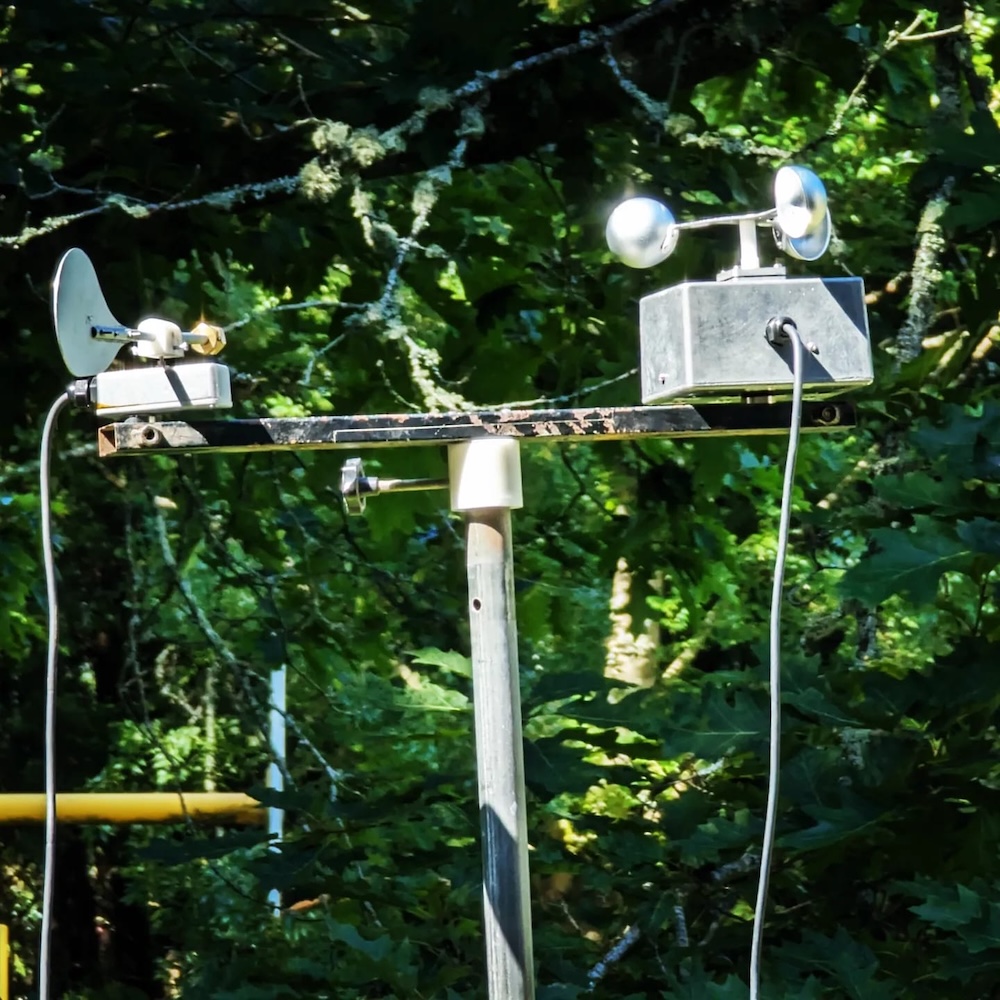
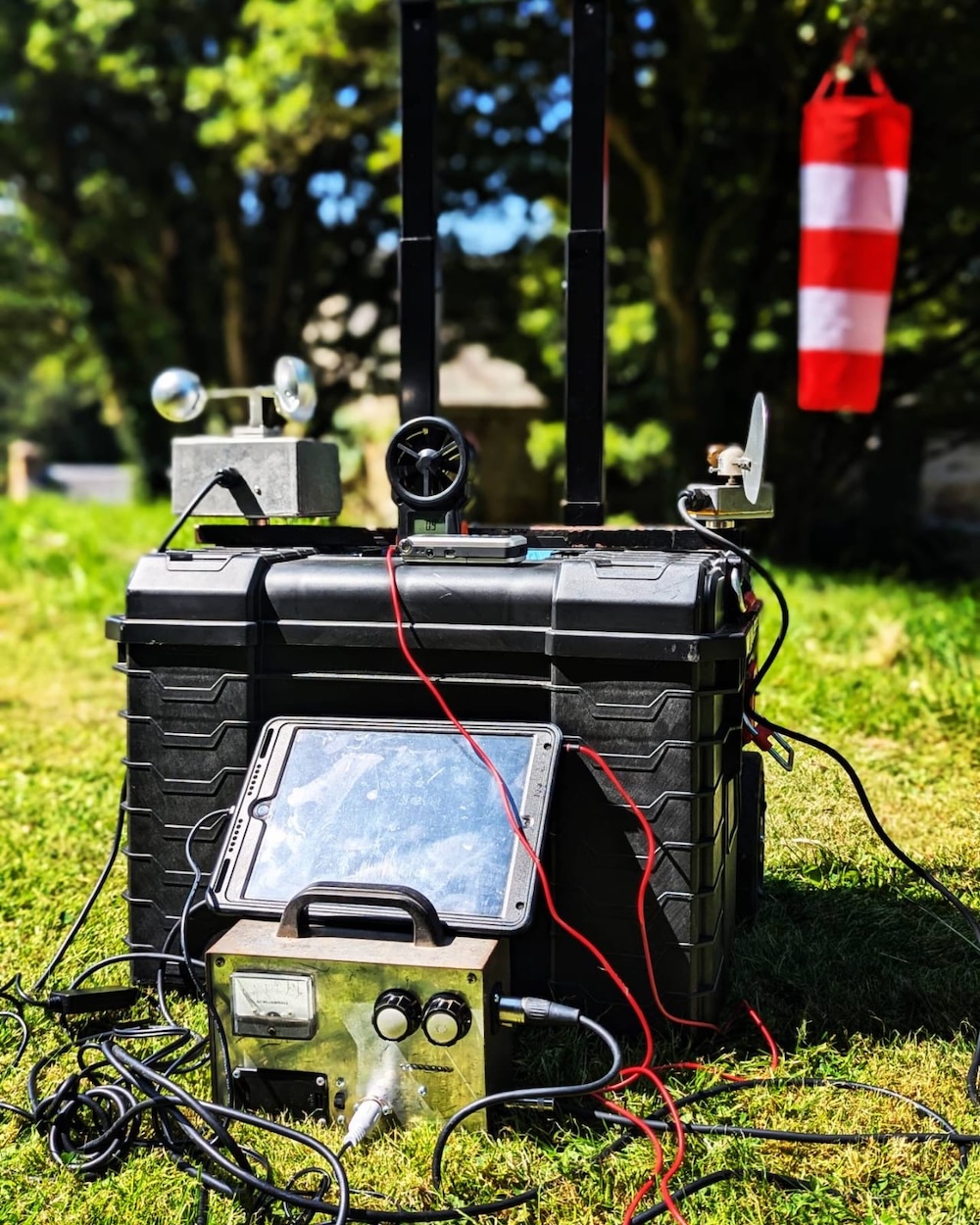
Justin: If I want to listen to the elements, I build the device. An engineer named Dominic Allen and I developed the SunSinger, which translates light into a MIDI signal. We built the Windjammer, which tracks wind speed and direction to alter musical pitch. We built the Sea Synthesiser, using an internal gyroscope to turn the kinetic motion of waves into percussion. And we built Astronomical Glasses (the Moon Tuner), which pick up the luminosity of stars based on micro-movements of my head, allowing me to play the night sky literally.
Brian: Is there a central archive where people can view these devices?
Justin: They are scattered all over the place. I really struggle with organisation. Growing up, I was just labelled a “naughty” kid. Today, I understand that I am on the autism spectrum and have ADHD. That childhood framing heavily affected how I view my practice; I often suffer from imposter syndrome.
Justin: Not long ago, we were in Cornwall recording a rare planetary alignment using the Moon Tuner goggles. Serious astronomers were there with massive telescopes. Meanwhile, I stood in the dark, tilting my head to play the stars and making wild soundscapes while the scientists tuned in and got excited. There was no audience; it was just us in a field. I remember standing there thinking, how did I get here? Society often convinces you that creative exploration holds no economic value, so there is an element of guilt that comes with basically “playing” for a living.
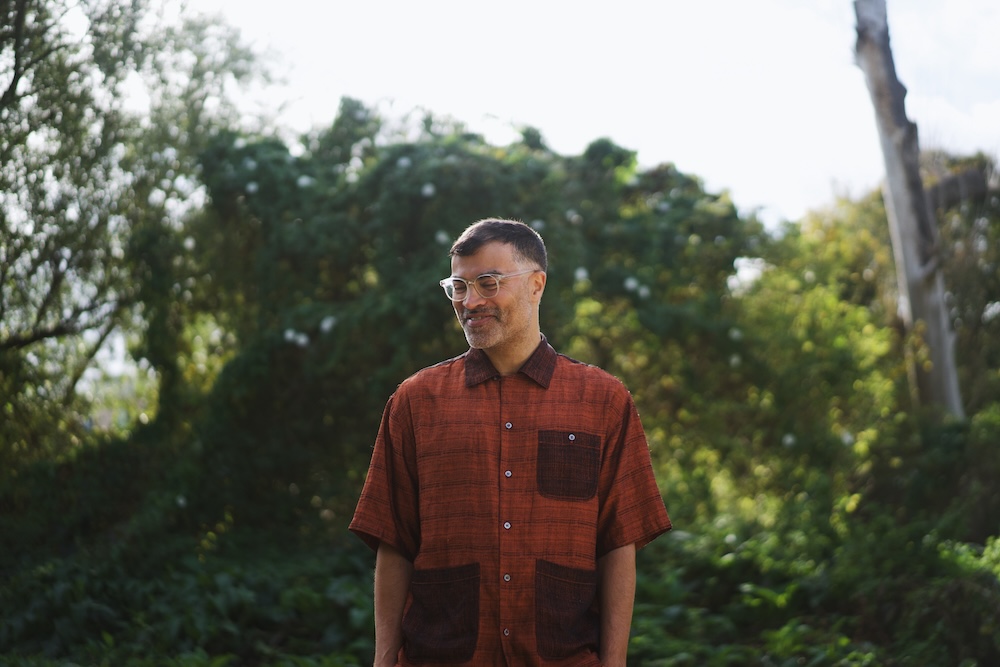
Brian: I experience that existential guilt too. You wonder what gives you the right to sonify the world when the globe is in turmoil. But there is deep value in creating an empathetic connection to nature. Would it be accurate to frame your overarching work as biosonification – translating natural data streams into sound?
Justin: Yes. As a kid, I was completely obsessed with becoming an astronaut. A bank manager once brutally told me, “Someone from Burnley will never be an astronaut.” I carried that same ambition into adulthood anyway. I didn’t get to explore outer space, so I explore the Earth through sound. It sits somewhere between being a sonic detective and an “earth-naut.”
Brian: Let’s talk about your track on the compilation, A Spectral Wind. How did the collaboration with Arve Henriksen come together using the Windjammer?
Justin: I’ve been working on a series called Sky Identities, translating ethereal, sky-based data into sound. I quickly learned that you cannot use the Windjammer in a storm because the data overloads the system, so I capture gentle coastal breezes. I map the weather data to MIDI notes, bring it into the studio, and choose the instruments. I try not to over-manipulate the results; I want the data to reflect the environment exactly as it was.
Justin: I sent some of these raw wind tracks to Arve, and he surprised me by sending back a beautiful trumpet recording layered over the top. His distinct, breathy style perfectly complemented the machine. He provided the human element to a three-way conversation between technology, nature, and the human mind. He was truly the icing on the cake.
Brian: Your approach aligns with mine – setting the parameters, stepping back, and letting nature dictate the flow. A Spectral Wind is absolutely beautiful, and it’s an honour to have it on the Plants Can Dance compilation. Where is the best place for people to follow your work?
Justin: Right now, the launchpad is the @GlastTwin account on Instagram. That’s where to keep up with me…
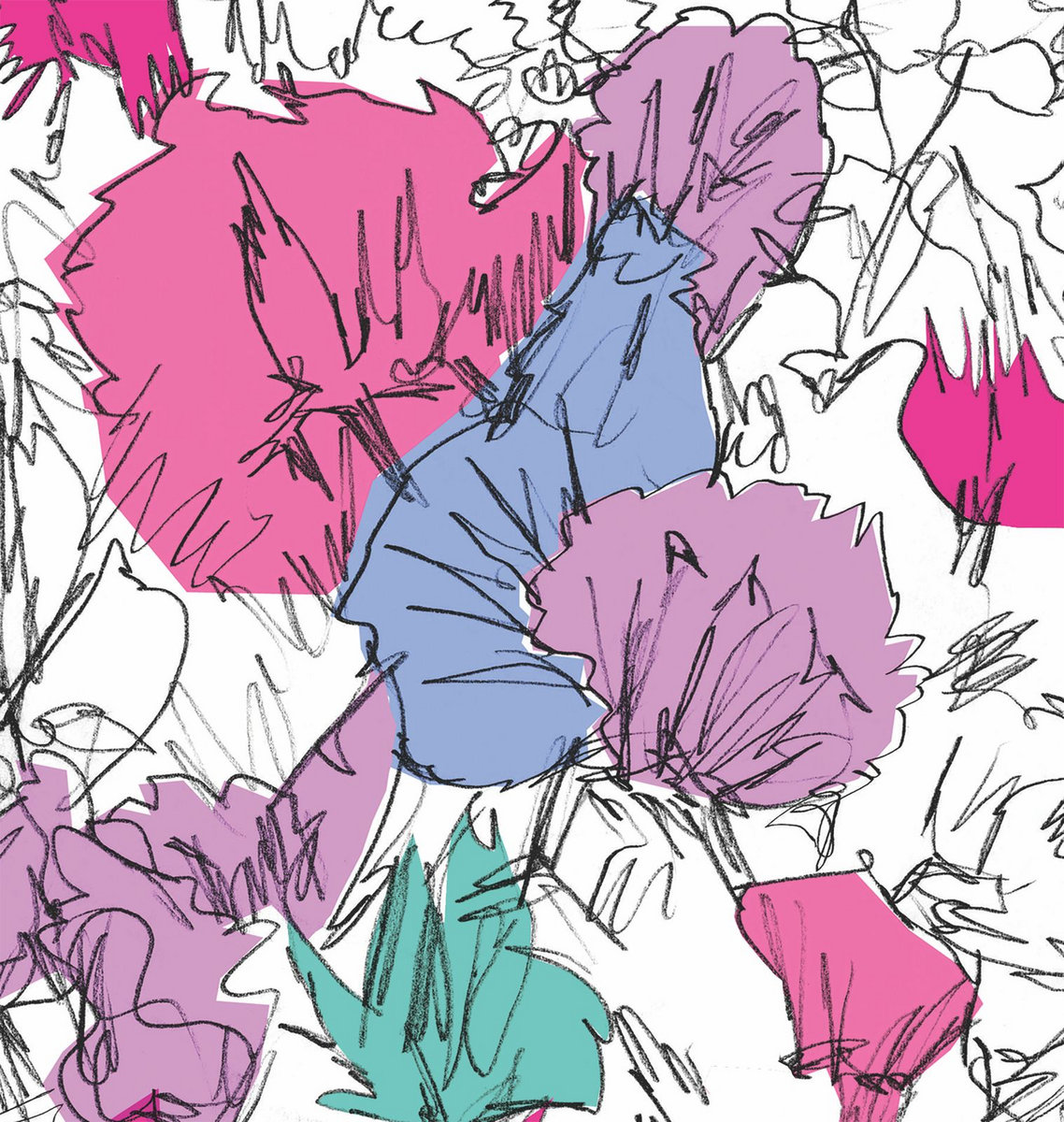
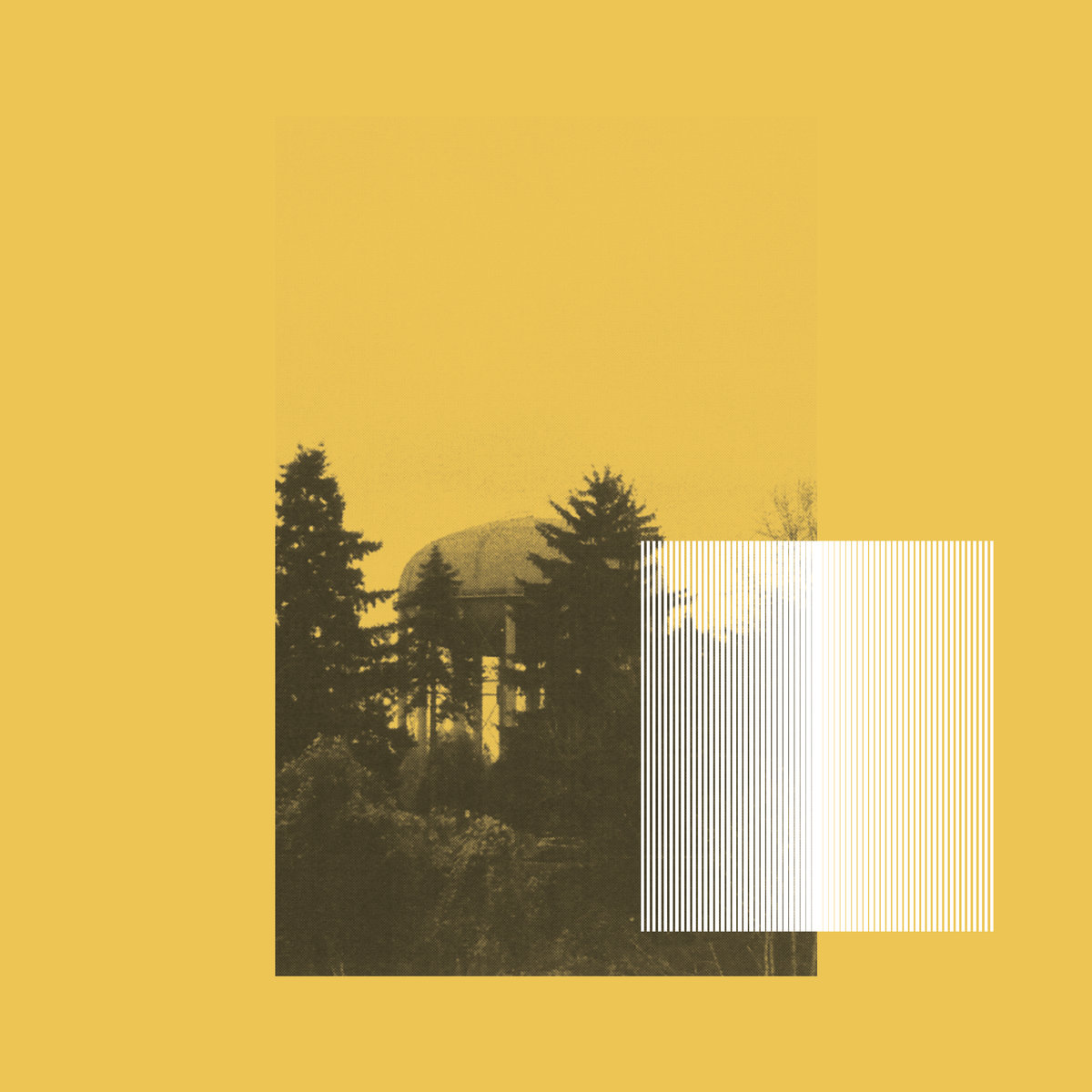
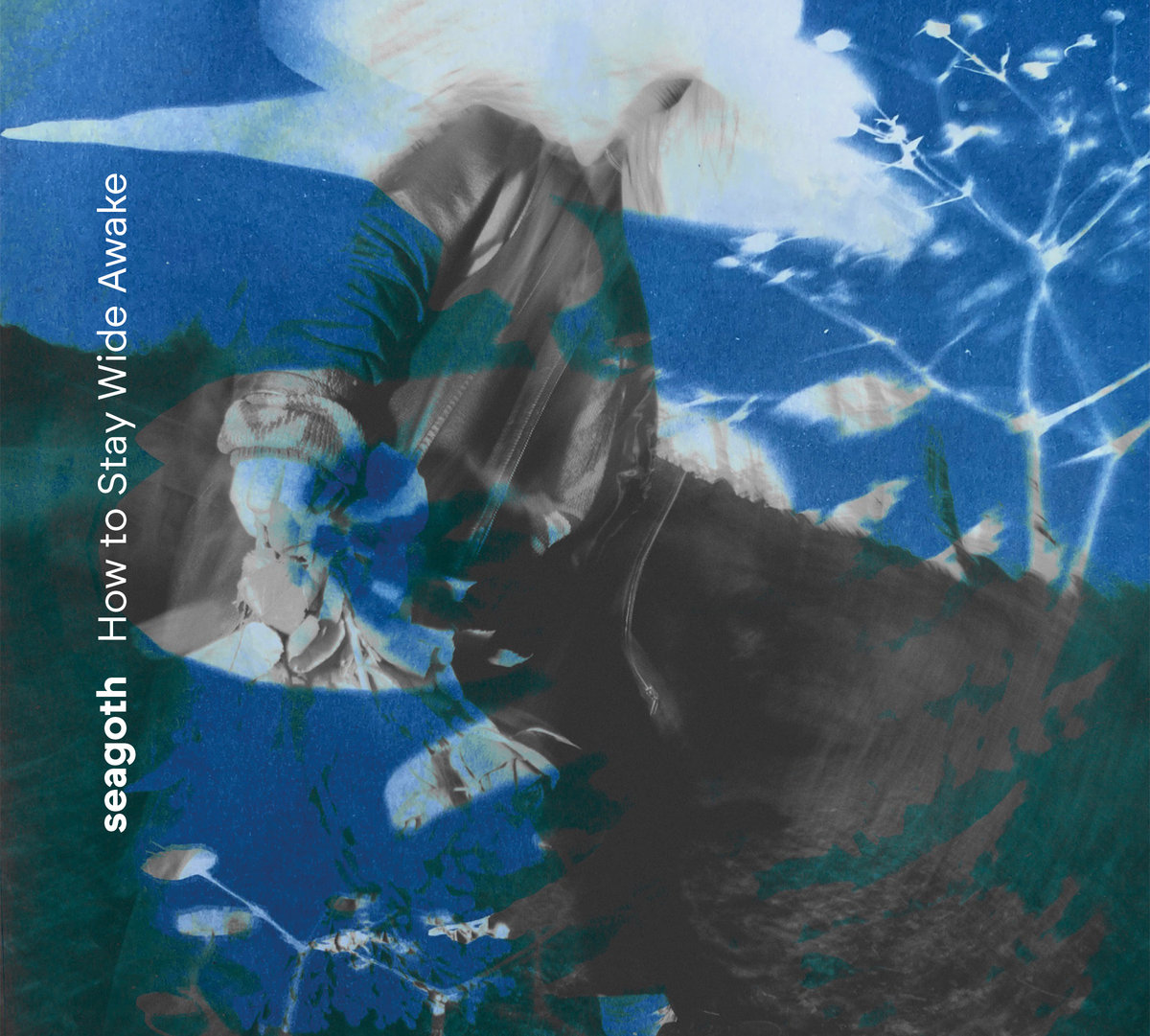
About Plants Can Dance: Released in April 2026, the compilation gathers a global cast of artists working under the banner of “bio-sonification” – turning electrical, environmental, and physiological data from plants into music. Alongside Justin and Arve’s contribution, the tracklist features Brian d’Souza’s own sunflower-inspired opener, plus pieces from Jason Singh, Modern Biology & Zekarias Musele Thompson, Helen Anahita Wilson, OMMA, Lamine, Bit Marten, and Balam – each translating a different plant’s biodata into sound.
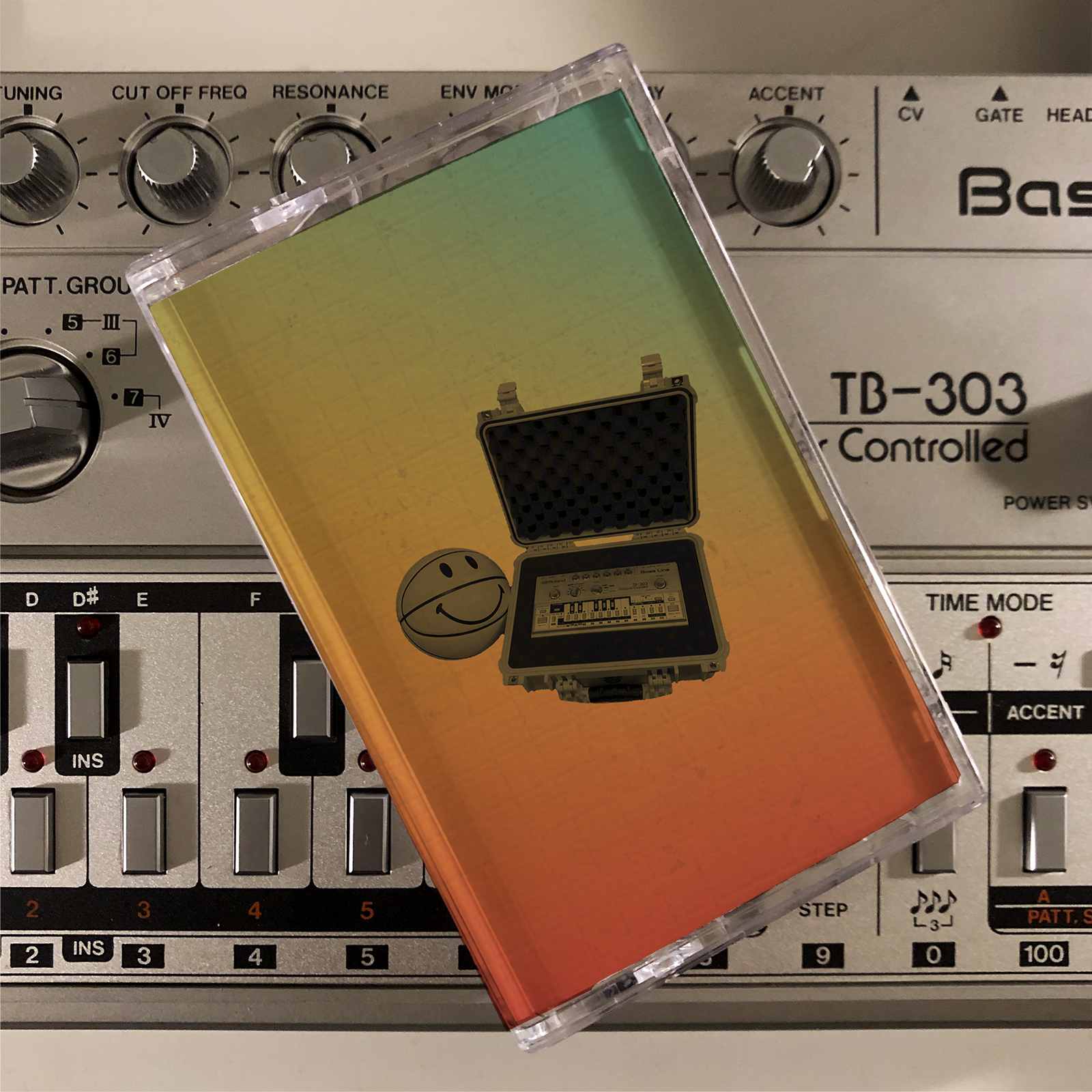
Plants Can Dance is out on now on A State of Flo




Must Reads
David Holmes – Humanity As An Act Of Resistance in three chapters
As a nation, the Irish have always had a profound relationship with the people of Palestine
Rotterdam – A City which Bounces Back
The Dutch city is in a state of constant revival
Going Remote.
Home swapping as a lifestyle choice
Trending track
Vels d’Èter
Glass Isle
Shop NowDreaming
Timothy Clerkin
Shop Now