Before Everything Was Searchable
In his new book, 1990–2000: The Decade That Was House Music, James Bleakman describes discovering house music when the culture had to be pieced together through radio, record shops, clubs, cassettes, and magazines. Here, he looks again at the role the specialist dance press played in that process – not simply as gatekeepers, but as guides into a world that could not yet be searched, streamed or understood in a few clicks.
Finding music used to have its own rhythm. You heard about something, then you waited. A name in a magazine. A record in a DJ chart. A club you had never seen. A label you had only just discovered. One clue led to another and, gradually, a scene that had seemed distant began to take shape.
Before the internet made everything searchable, magazines made that world imaginable. They were not just things you read. They were maps, shopping lists, instruction manuals and invitations into a culture you were still trying to understand. They rarely gave you the whole answer, and that was part of the point.

Reading about a record did not mean hearing it thirty seconds later. Sometimes the gap lasted hours, sometimes days, occasionally longer. A photograph could make a club feel important before you had ever stood inside it. A DJ chart could give you five records to look for without telling you which one would matter most. An interview might introduce a label, which led to another artist, another mix, another night. The information was enough to start the chase, but not enough to finish it. You began joining the dots yourself.
Now, you can play almost any record mentioned in an article before the paragraph is over. That is an extraordinary kind of access, and I would not trade it away. But it has changed the discovery experience. Back then, the magazine was rarely the destination; it was the first nudge towards somewhere else.
Three magazines, three kinds of doorway
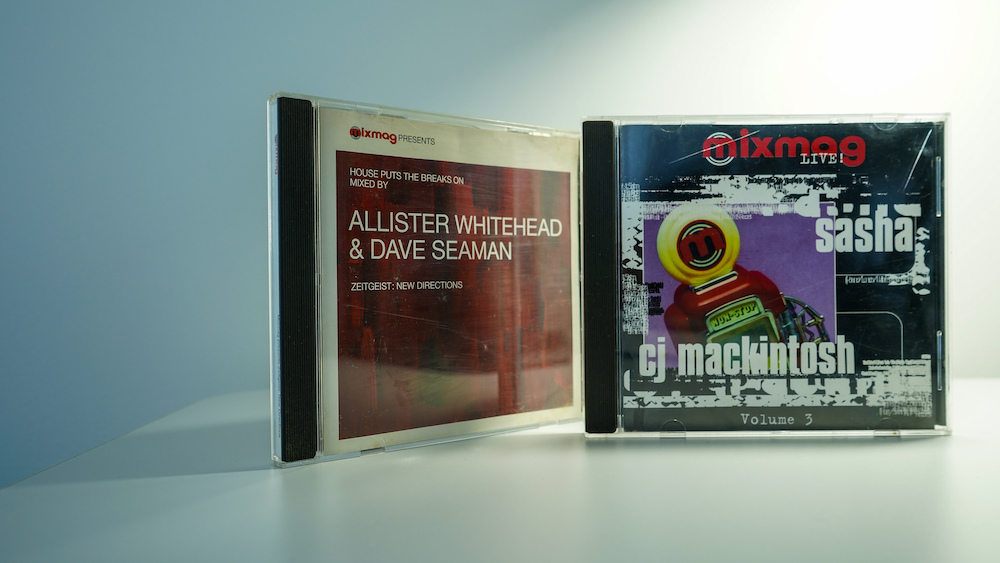
That first nudge did not always come from the same place. The magazines I bought seemed to do different jobs, even when they covered the same culture. Mixmag made the scene visible. It showed the clubs, the DJs, the crowds and the scale of something that still felt partly out of reach. I kept issues close by and returned to them, not because I had forgotten what they said, but because the photographs, names and references gradually helped the scene make sense. It was less about being told what to like than learning how the pieces fitted together.
DJ Mag pulled me closer to the booth. The charts, interviews and record coverage made DJing feel less like a mysterious role occupied by people on stages and more like a craft with its own habits, choices and working life. I began to understand DJs through fragments: what they played, which labels they trusted, how careers developed, and how records moved through the scene. It did not make the route easy or obvious, but it made the profession legible.
Muzik went one step further by occasionally letting the relationship work in both directions. Its Bedroom Bedlam competition invited unknown DJs to send in cassette mixes and, later, CDs, with the chance to be heard beyond their own bedrooms. I entered several times. The important thing now is not whether I ever got anywhere with it, but that the route existed at all. It feels strange now that one of the few routes to a wider audience meant recording a mix onto cassette, sending it to a printed magazine, and hoping it reached the right person. Today, a DJ can put a mix in front of listeners in seconds. Seeing people such as Yousef and James Zabiela emerge from that page made the possibility feel real. A magazine was no longer simply reporting on the culture or deciding what deserved attention; it had built a small mechanism for readers to send something back.
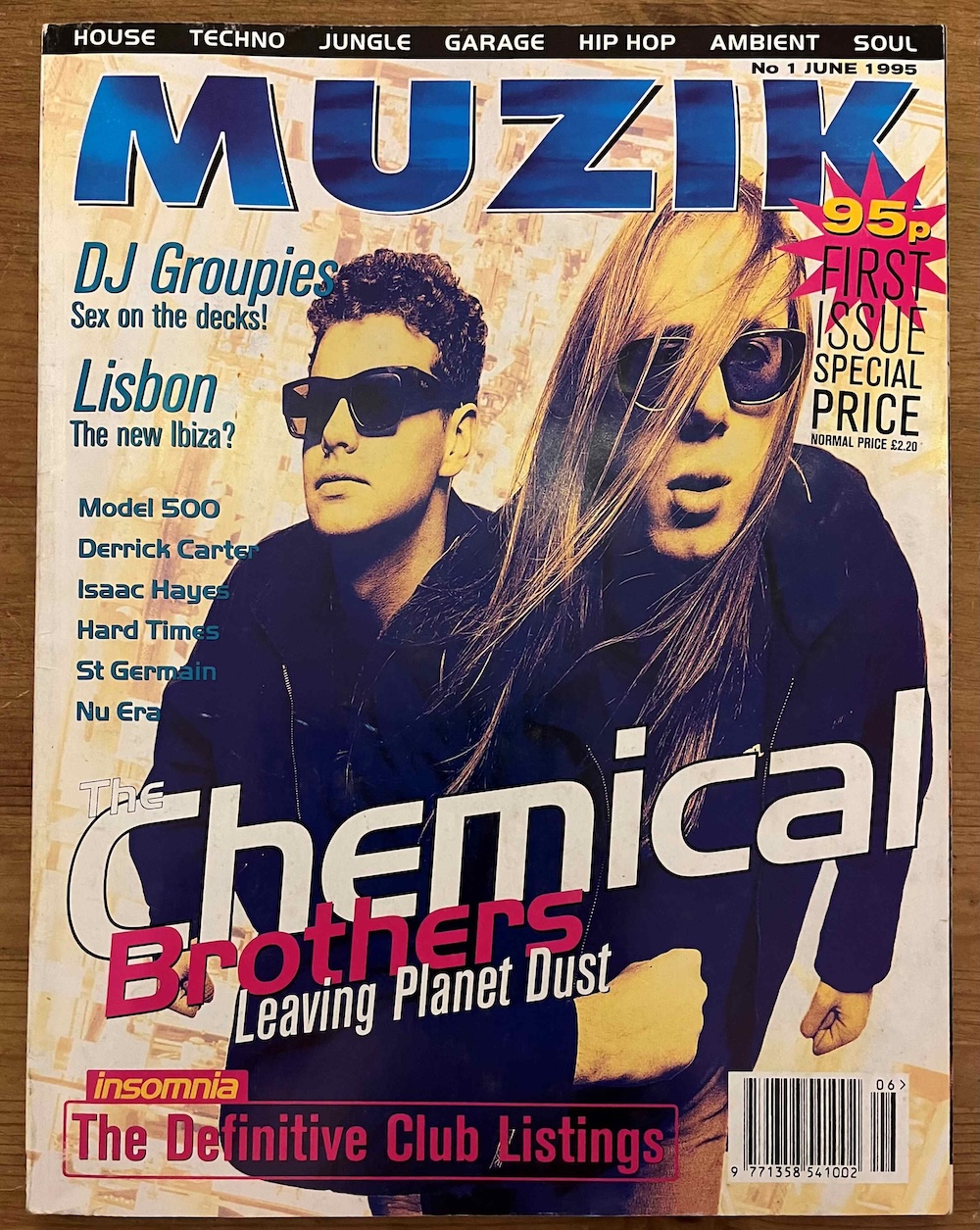
That changes how I think about the word gatekeeper. These magazines certainly filtered, selected and amplified, but they did not all guard the same gate. Some helped you see the scene, some helped you understand how it worked, and occasionally one gave you a way to knock from the other side.
Following the lead
What I remember most clearly is that discovery rarely happened in one place. A magazine might introduce the name, radio gave it sound, and a chart or review gave it context. Then came the next step: writing the title on a scrap of paper, remembering the label, making a mental note of the remix, and carrying that information around until I had a chance to do something with it. Some of those names stayed with me for months, sometimes years.
By then, I’d started discovering house music and learning to DJ. I was no longer only looking for records I liked; I was starting to listen for records that might work together. That changed the search. The Saturday record-shop circuit became one of the ways those loose pieces came together. HMV was the accessible starting point: bright, anonymous enough to browse without feeling watched, and surprisingly strong for dance vinyl. Tempest felt more specialist: smaller, darker, more independent, with the sense that taste was present in the room and your selections might be quietly noticed. Then there was Hard to Find Records, which felt like another level entirely: more intimidating, more obsessive, a place where the amount of vinyl could make you wonder how much you really knew. The three shops offered different versions of the same pursuit, from accessible to specialist to almost intimidatingly deep.
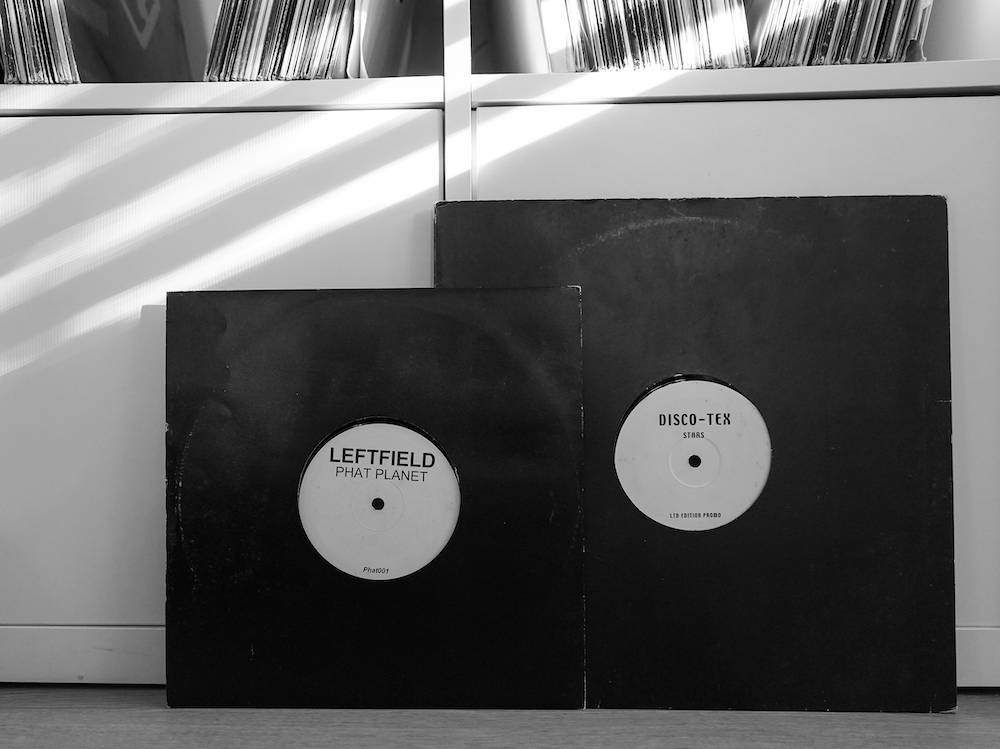
The people behind the counter shaped that search too. Long before streaming platforms learned to recommend music from listening history, record-shop assistants did something remarkably similar with far less data. They knew your face, remembered what you had bought the week before and understood the labels you kept returning to. If they were good, they could put something unexpected in your hand and say, in effect, try this. In other words, they were human algorithms. The comparison is slightly ridiculous, but it is also accurate. The difference was that you could disagree with them, ask questions, go back the following week and gradually build a relationship.
A recommendation only got the record as far as the listening pile. The final decision was still yours. I always used the listening decks, even when I thought I knew what I was buying. I wanted to hear the pressing, check the remixes and work out whether the version I actually wanted was hidden on the B-side. As I learned to DJ, liking the track became only part of the question. Could I use it? Did the intro give me room to mix? Was the pressing strong enough to hold up on a club system? That process trained judgement alongside taste.
Looking back, the useful thing was not that finding music was inconvenient. There is no virtue in catching a train, queueing for a listening deck or spending half a day searching for something that can now be found in seconds. The value came from the sequence of small decisions: read, remember, search, ask, listen, reject, choose, carry it home, learn it and play it on Friday night. Each stage created another point of contact with the music.
The best magazines, radio shows, and record shops didn’t simply stand between you and the music. They pointed beyond themselves. One recommendation led to another source, another person, another record, another part of the culture. Their value lay less in guarding the gate than in showing you what lay beyond it.
What unlimited access changed
The obvious danger in remembering all of this is turning inconvenience into virtue. I do not want to pretend the old system was better simply because it was harder. Someone discovering music now has access to more routes into it than I could have imagined in the 1990s. A track might arrive through a friend, a DJ set, an online radio show, a label, a specialist website, a social post, a playlist, a record shop, a recommendation from an artist or an algorithm that notices a pattern before you do. Geography matters less. Archives are open. Obscure records can be found in minutes. Scenes that once felt impossibly distant can be entered from almost anywhere.
That is real progress.
What has changed is not the existence of discovery but its shape. My own route was comparatively narrow and sequential. I might read about a record, hear it on the radio, write it down, wait, search for it in a shop, ask someone, listen, decide and finally take it home. One step usually led to the next. Today those routes overlap constantly. You can hear a track, identify it, read about the artist, watch a set, find the label catalogue and follow ten related recommendations before the original record has finished playing. There is something exciting about that: discovery can spread sideways at remarkable speed.
The trade-off is that anticipation has less time to build. When the distance between curiosity and access shrinks to seconds, there are fewer moments in which you have to carry an idea around, wonder about it or wait for the next clue. That does not make the eventual discovery less genuine, and it does not mean people value music less now. But it may change the way value develops. The thrill is still there; it is simply easier to resolve, and perhaps easier to move past.
Algorithms are one part of that new landscape, but only one part. They are extraordinarily good at supply: putting more music in front of us, finding relationships between tracks and opening routes we might never have discovered alone. Human recommendation does something slightly different. A writer, DJ, friend, shop assistant or label can tell you not just what to hear, but why they care, where the record sits and what it connects to. You can trust that judgement, ignore it, argue with it or gradually learn the shape of someone else’s taste.
That context still matters.
None of this makes the old gatekeepers innocent. Magazines had fashions, blind spots and commercial pressures. Charts could feel political. Certain DJs, clubs and cities received attention while others did not. Money, geography and editorial taste all influenced who became visible and who stayed outside. Some of those gates deserved to be dismantled.
The more interesting question is whether, in gaining so many new routes into music, we also lost some of the value of following one route for a little longer. Not because the old path was purer, but because patience, context, and repeated encounters sometimes gave a discovery time to become part of you.
Maybe the answer isn’t bringing the gates back
Maybe the distinction we need is between a gatekeeper and a curator. One blocks access. The other helps you find a way through abundance. Good curation does not say, “you cannot enter.” It says, “start here,” then leaves enough space for you to wander somewhere unexpected.
In the 1990s, access to music and information could be scarce. Now the scarce things are more likely to be attention, trust, context and patience. The thrill of discovery has not disappeared; I still get it when I hear something new and immediately want to know more. But when almost everything can be resolved at once, the challenge is finding a reason to stay with it.
That may be why specialist media still matters. A good article, review, radio show or recommendation can slow the process down just enough to make you stay with an idea, follow a link, remember a name or hear a record differently. It does not need to control access to be useful. It only needs to give curiosity somewhere to go.
Almost every record I once chased through magazines, radio, shops and conversations can now be summoned in seconds. I am glad of that. But I remember the parts most clearly are rarely the seconds when I finally heard the music. They are the people, pages, places and small decisions that led me towards it: the journey itself.
I do not want the scarcity back. I am not sure I want the waiting back either. But I would keep the feeling that discovery has its own rhythm.
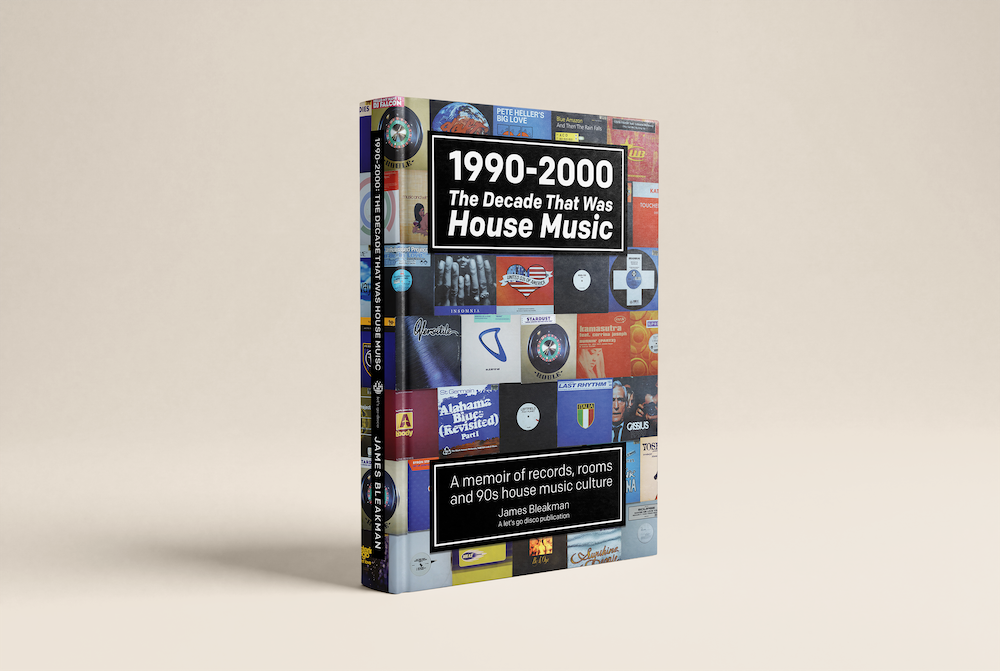
All drawn from material used in or connected to 1990–2000: The Decade That Was House Music.
Mixmag CDs
Mixmag-branded compilations featuring Allister Whitehead & Dave Seaman and Sasha / CJ Mackintosh — examples of the close relationship between specialist dance magazines and mix culture during the 1990s.
Photo: James Bleakman.
Red record bag
James Bleakman’s record bag from the late 1990s, used while buying, carrying and playing vinyl during the period described in the article.
Photo: James Bleakman.
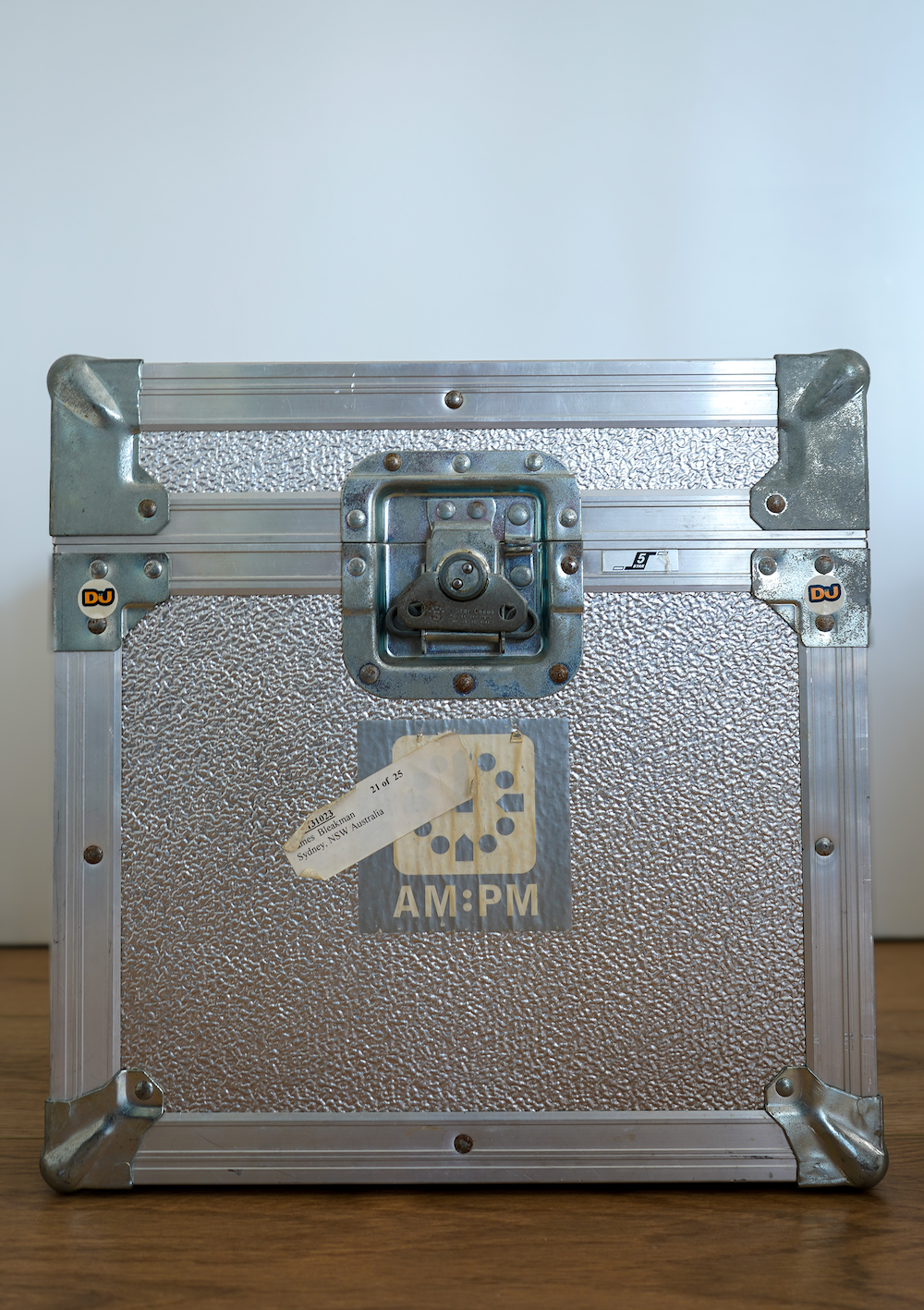
Record flight case
James Bleakman’s record flight case from the late 1990s, part of the transition from bedroom DJing into playing bars and clubs.
Photo: James Bleakman.








Must Reads
David Holmes – Humanity As An Act Of Resistance in three chapters
As a nation, the Irish have always had a profound relationship with the people of Palestine
Rotterdam – A City which Bounces Back
The Dutch city is in a state of constant revival
Going Remote.
Home swapping as a lifestyle choice
Trending track
Vels d’Èter
Glass Isle
Shop NowDreaming
Timothy Clerkin
Shop Now