Primavera Porto 2026 – A First-Timer’s Confession
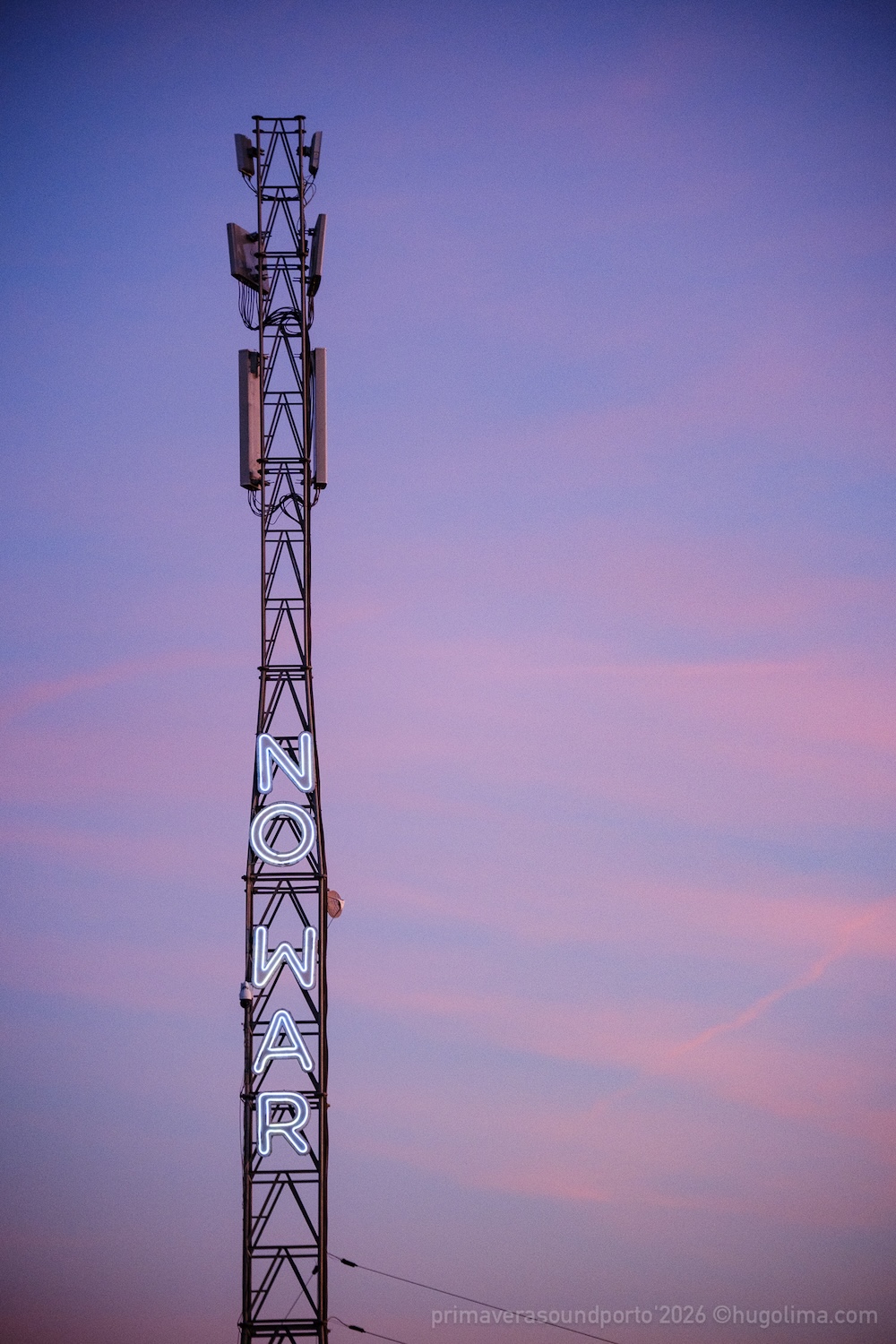
If I’m being honest, I’d been making excuses about Primavera for years.
There was always something; the flights, the timing, the lineup that year, etc. If pressed, what I was really doing was putting off the specific discomfort of arriving somewhere everyone else already knew and loved, twelve years late, with nothing useful to add. The Barcelona lot has been going forever.
The Porto edition is four years old and already feels canonical. You know how these things go.
What finally got me there was a combination of the Heavenly and Caught by the River crowd, the fact that we now live down the road, and a lineup that made the excuses feel genuinely embarrassing…basically deciding I didn’t have a choice,
So, first time. Porto. 2026. Let’s go.
The thing about Porto – and I say this having spent a weekend watching it carefully from the back of a taxi, across restaurant tables, and through the slightly altered lens of a festival I was too late to – it’s a city that still seems pleased to see you. That sounds like nothing until you’ve spent time in other European cities of equivalent beauty that have quietly decided you’re an inconvenience.
Barcelona, we’re not naming names, but the resentment is palpable and entirely earned. Porto hasn’t got there yet. The wine is priced without apparent awareness of the view. The restaurants don’t make you feel like you’re interrupting something. We stumbled into a Vivian Maier exhibition between sets, her street photographs doing their usual trick of making you feel that ordinary human life is all right there if someone knows how to look. It was a good thing to carry into a festival weekend. Long may all of it last, and apologies in advance for our part in whatever comes next.
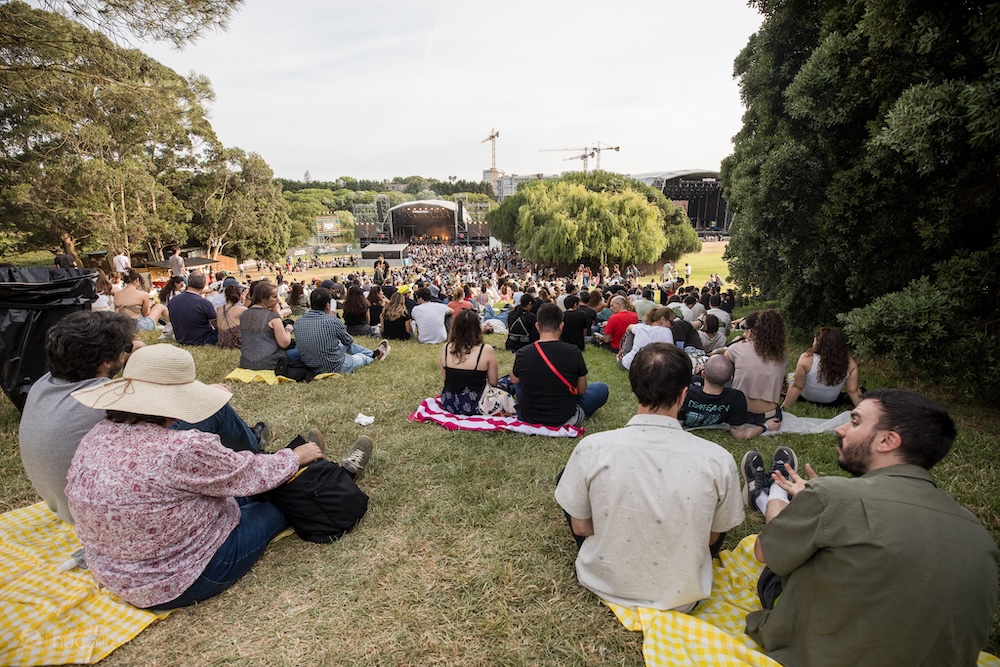
Approaching Parque da Cidade, you pass through an urban stretch of hard edges and concrete that makes you think, briefly, about infrastructure. Then, slowly, it opens out towards the beach, and Porto’s skyline sits behind you — terracotta rooftops, church towers, that Atlantic light — never quite letting you forget where you are. You’re at a festival, on a beach, and in a city at once. Most festivals don’t manage either convincingly. This one does both.
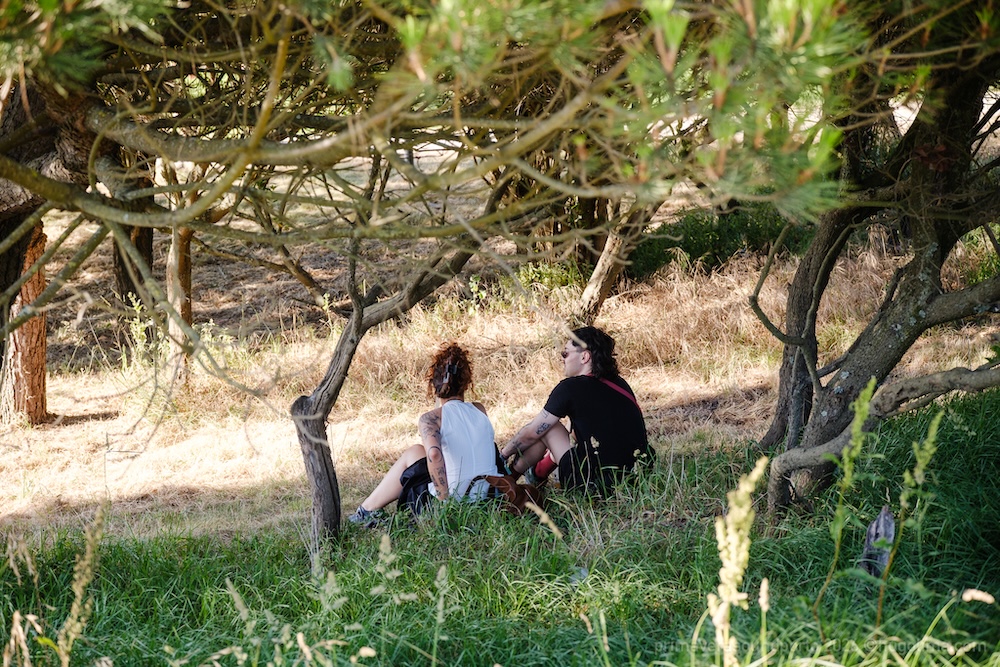
Which brings us to the rhythm of the thing, because Primavera has a rhythm unlike any festival I’ve been to, and it takes a day to understand it. The afternoons are hot. Properly hot — the kind where rational people find shade and stay there. Nothing much is expected of you. Nobody’s rushing towards a 3pm slot with a warm beer and a sense of obligation. The festival exists, in those hours, as a set of possibilities that haven’t quite started yet. You eat lunch properly in the city first, you sit somewhere, and you let the city do its thing.
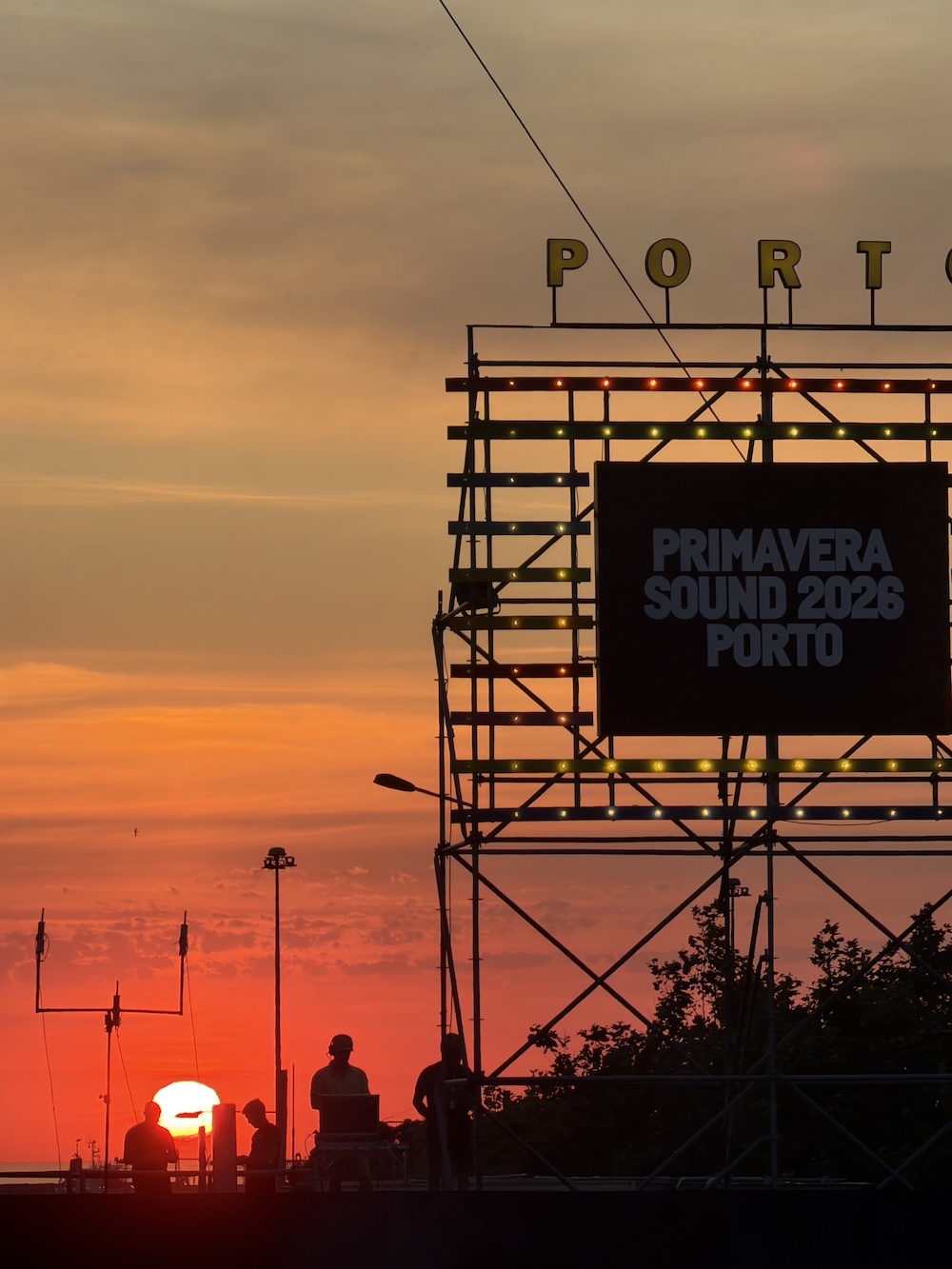
Then the heat starts to lift. The light shifts. And somewhere around the time the sun begins its descent over the Atlantic, something quietly activates – in the crowd, in the air, in whatever internal mechanism decides you’re ready to actually be somewhere. By the time the first proper set of the evening begins, you’re not rationing yourself for a headline in four hours. You’ve arrived already, at exactly the right temperature, in both senses. It took me until Saturday to fully articulate this, but it’s the whole thing. Every great festival moment this weekend happened at dusk or after. That’s not a coincidence but a well-programmed understanding of what a summer evening in Porto actually is.
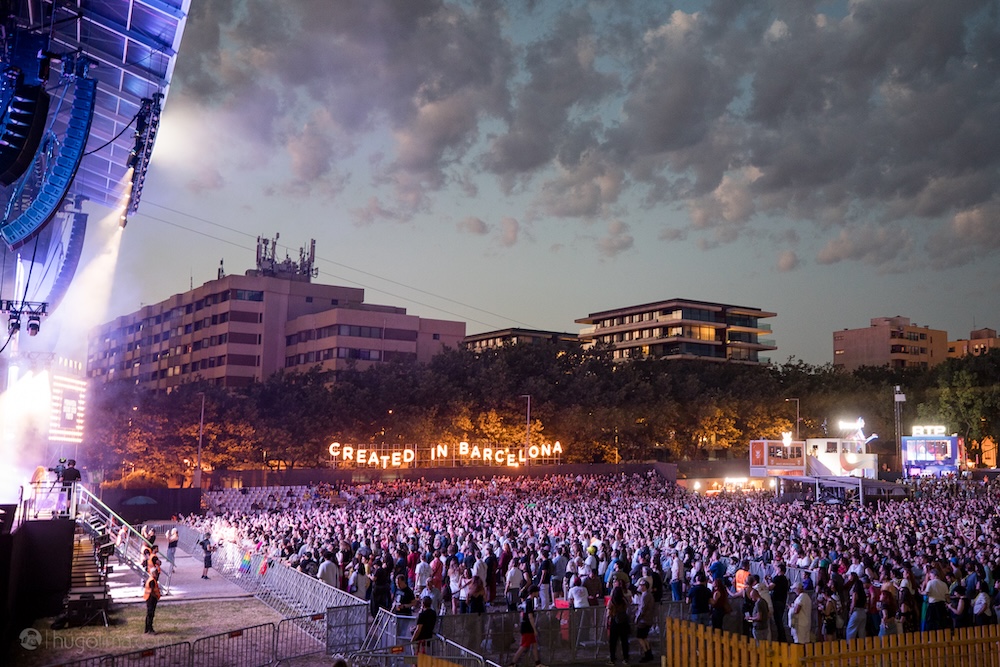
The first night we arrive for Ethel Cain, and whatever you’ve been told, whatever you were expecting – adjust upwards. The stage is an expansive woodland clearing, cinematic almost. Blurry reds at the edges, occasional white cutting through, and guitar solos that have absolutely no business being that good. The drums sound like they were recorded in 1987 in a room that knew what it was doing. What she does with a set is harder to explain. Resentment, horror, unification, release – often held in the same song. Crush wakes the crowd up in the way only a song of that calibre can. And singing “I feel so alone out here” in front of twenty thousand people, and making it land…
The crowd is worth noting because it sets a pattern for the whole weekend. None of the festival lads and their customary sing-alongs. But then Primavera’s been carefully booked not to attract that crowd.
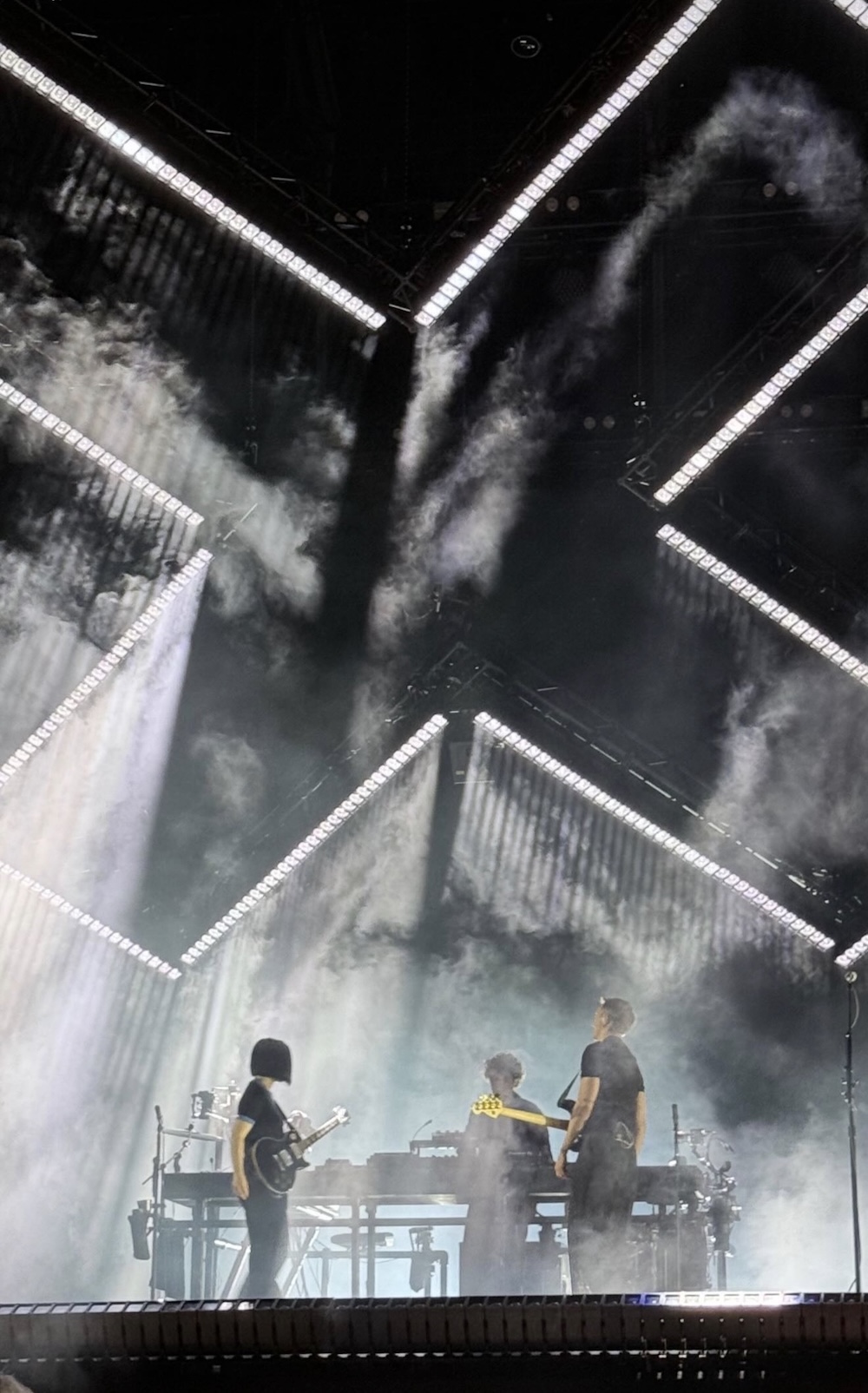
The xx follow – their first live shows in eight years. They’re amazing, start to finish. Either they have an incredible playback engineer, or Jamie, Romy and Oliver spent the last eight years quietly honing everything. On the subject of Oliver: the glow-up is real. “My mother says, enjoy your life” – delivered with a precision and weight that makes you quietly furious it took them this long to come back. You spend part of the set mourning all the years you didn’t see them, while drinking in what they’ve become.
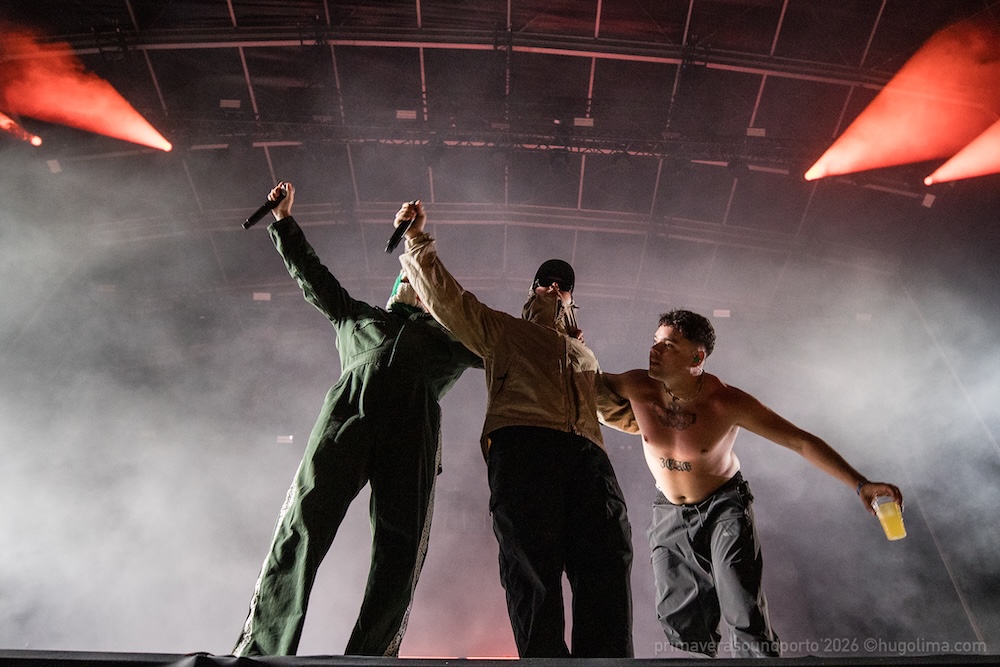
Then Kneecap – predictably, brilliantly themselves.

A security announcement arrives mid-set: “We’re out of drugs. This is a security announcement: throw all your drugs onto the stage.” The Free Palestine flag goes up. The pit opens. It’s confrontational, funny, and serious in roughly equal measure. Many festivals manage complicated acts by not booking them. Primavera books them and gets out of the way. A festival that does that is worth showing up for.
Thursday sets the bar at a height that feels almost unreasonable for a first night.
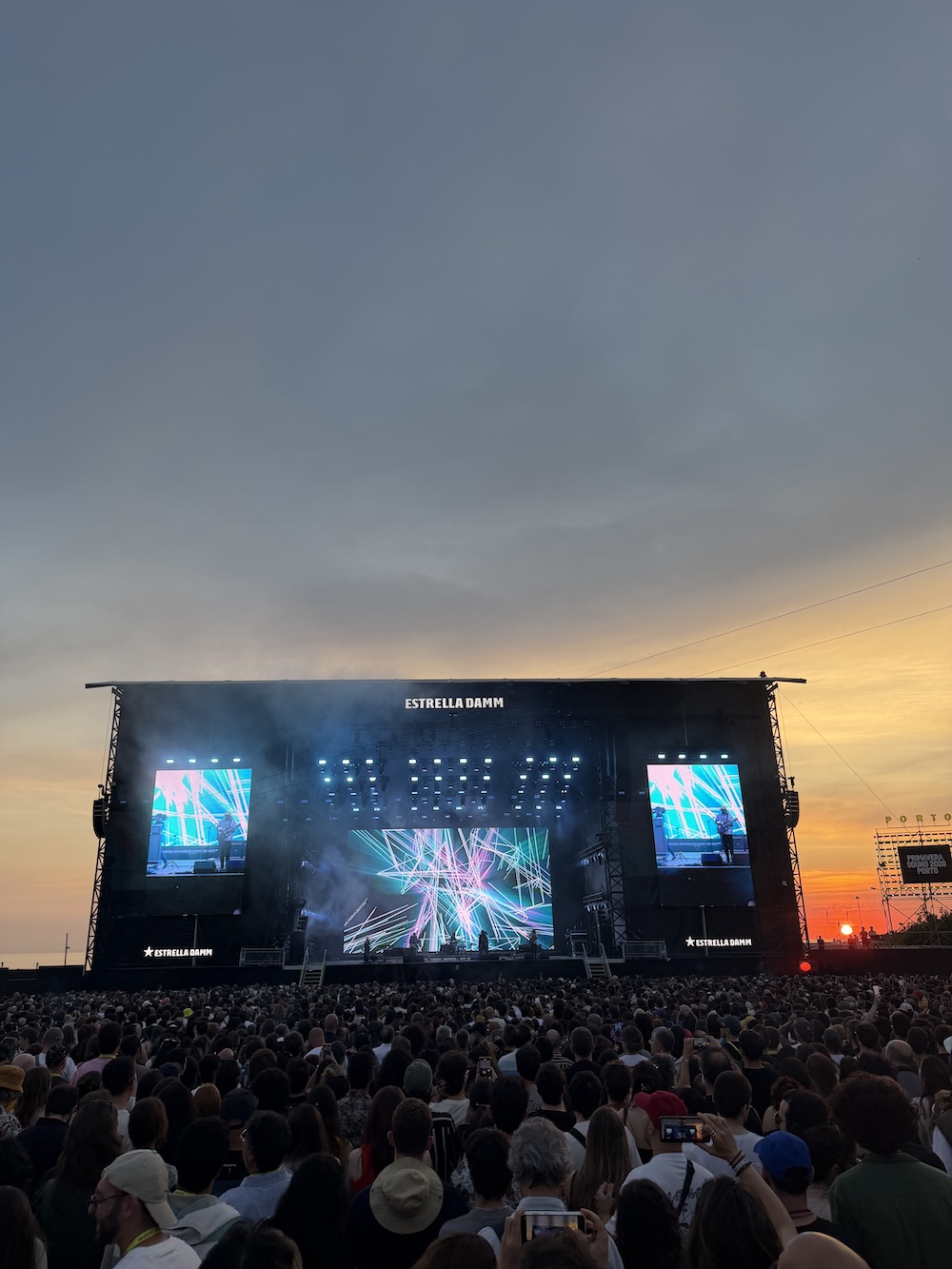
The second evening belongs, without any real competition, to Slowdive. The sun sets behind the stage, the sea ahead, the sky moving through oranges and pinks as though it had been briefed on the setlist. Souvlaki holds up in a way that feels slightly unfair to everyone who made music after it though their newer/post-reunion records they play tonight sound equally as vital. The set makes conversation impossible. Nobody seems to mind.
Something about shoegaze crowds specifically – there’s a generosity to them. A shared understanding that what’s happening onstage is the thing, not being seen to be there for it. No posturing, no phones in formation. It’s one of the more civilised things music can produce.
Gorillaz deliver a full spectacle later – guests, visuals, production that knows its own scale. De La Soul’s absence weighs more heavily than a logistical issue. No Dare, which some read as brave and others as an oversight. Still, Gorillaz do what they do, which is considerable.
The less said about Viagra Boys, the better. There’s clearly something there. It’s clearly not for me. I retreat with what I’d like to believe is dignity.
The discovery of the night – possibly the whole weekend – arrives much later: Melt-Banana. There’s no adequate preparation. Two people producing noise that shouldn’t be achievable by two people. Something about them feels like two different timelines briefly occupying the same room. The best discovery of the weekend, delivered at the worst hour to discover anything.
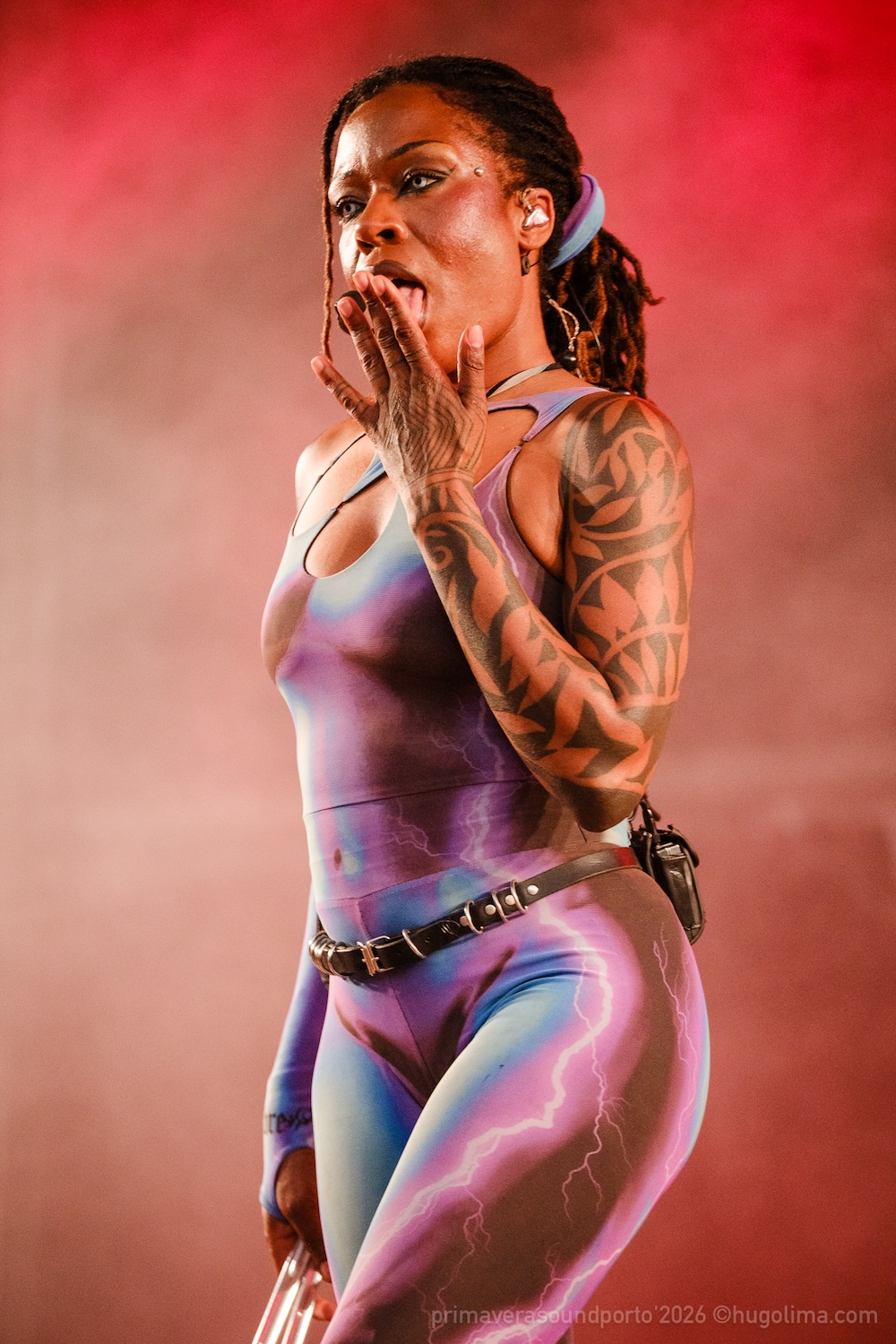
Mike D keeps the Beastie Boys alive in the most straightforward and moving way possible — his son is in the band now. That detail does something to So What’cha Want that’s hard to articulate but easy to feel. Joyful in the way that only things with real history behind them can be.
Nia Archives follows and is, simply, brilliant. A confidence and specificity to what she does that never tips into effort. One of those sets that makes you remember why you bother with any of this.
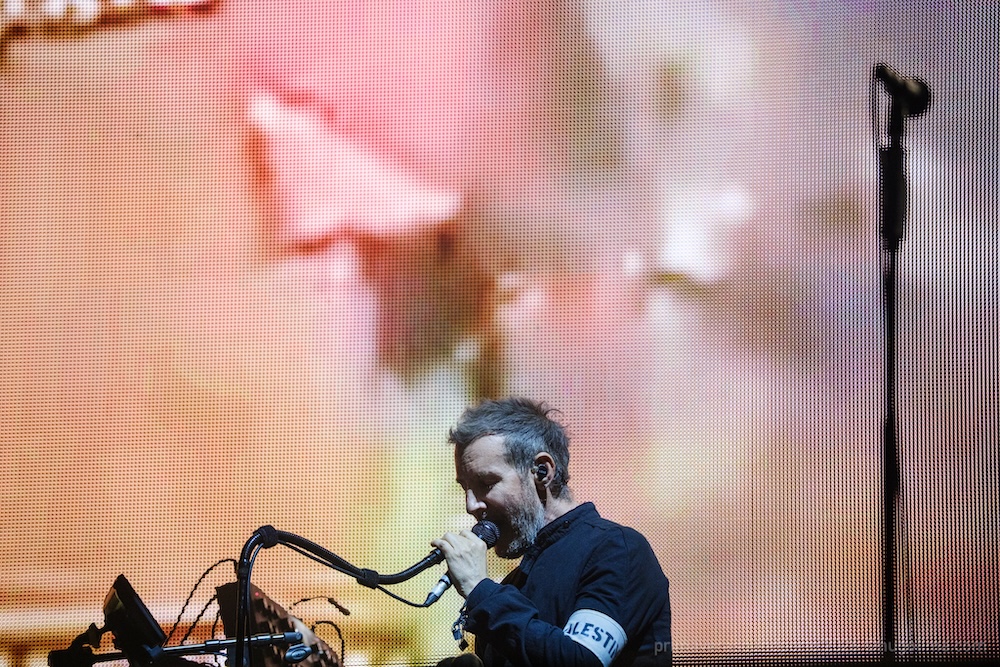
Then Massive Attack. One of the most powerful shows in recent memory, and not only because of the music. The Adam Curtis visuals aren’t atmosphere — they’re actual editorial. Anti-Palantir. Pro-Palestine. Nothing hedged, nothing softened for a festival crowd that might prefer not to be addressed directly. The music operates beneath it like something carefully administered. Together, the two things become genuinely hard to shake off. That Primavera books this, platforms Kneecap with the same energy, doesn’t look away from any of it — worth saying out loud, even if they’d probably rather let it speak for itself.
The night could have ended there wi th no complaints. Dan Carey has other ideas.
Convincing people who are tired and emotionally wrung out to stay until 3am requires either enormous confidence or very good information. With Model/Actriz it turns out to be both. Only the committed remain, and the committed are rewarded in a way that occasionally justifies the whole enterprise of being committed to things. Standing there at that hour, with good friends you don’t see enough of, watching a band almost nobody in your normal life has heard of (why not by the way?!) – there’s a particular quality to that happiness. Quiet, unhurried, not really needing to be remarked upon. One of the absolute highlights of the weekend, alongside the other late-night discoveries,
What’s worth noting about a Primavera late night is what it isn’t. The crowd that makes it to 3am for a band like Model/Actriz didn’t get deposited there by an evening that hadn’t quite resolved. They looked at a lineup, made a choice, and followed it through. That logic would collapse at most inner-London festivals. Here it holds, without anyone needing to explain it.
A strong first Primavera. The gentle disbelief of those who’d been before turns out to have been entirely warranted. One of Europe’s best cities, one of Europe’s best festivals — and the rare, slightly miraculous case of both things being true at the same time in the same place.
We’ll be back…
See you next year.
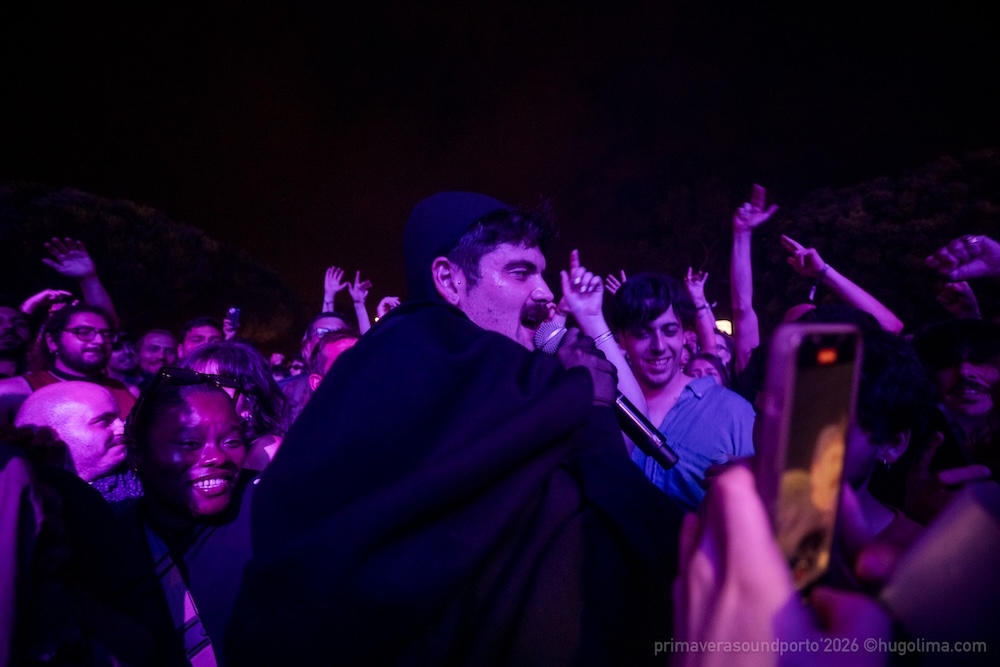
That’s the programming doing its quiet work. A weekend built around music that requires real listening attracts people who know how to do that. The late slots don’t feel like aftermath. They feel like the point. You arrive in the cool of the evening, build gradually, and if something extraordinary is happening at 3am you stay for it, because that’s what you came for. That logic would collapse at most inner-London festivals.
Here it holds, without anyone needing to explain it.
A strong first Primavera. The gentle disbelief of those who’d been before turns out to have been entirely warranted. We’ll be back – probably every year until Porto starts looking at our shoes.
For now: one of Europe’s best cities for a weekend, and one of the best reasons to visit it.
See you next year.




Must Reads
David Holmes – Humanity As An Act Of Resistance in three chapters
As a nation, the Irish have always had a profound relationship with the people of Palestine
Rotterdam – A City which Bounces Back
The Dutch city is in a state of constant revival
Going Remote.
Home swapping as a lifestyle choice
Trending track
Vels d’Èter
Glass Isle
Shop NowDreaming
Timothy Clerkin
Shop Now