DJ Slugo: The Ransom Note Mix
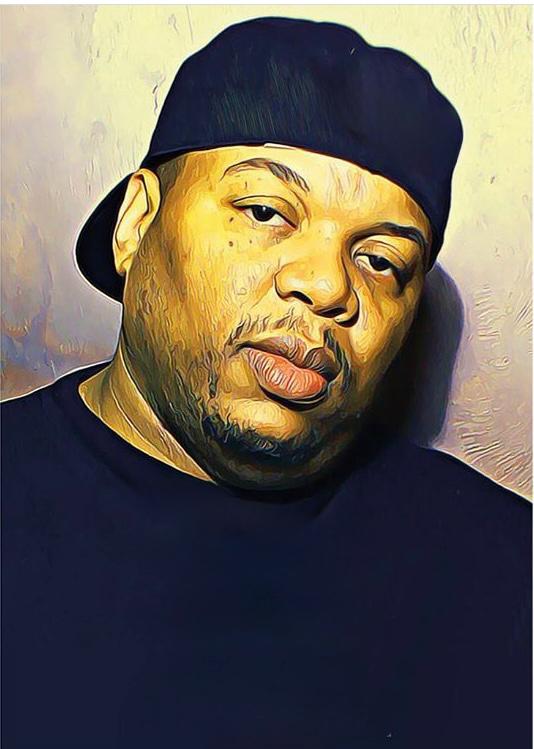
An authority on high energy steps up with a killer mix which bangs the box.
DJ Slugo is a pioneering figure in the world of Chicago footwork and ghetto house, known for shaping a raw, high-energy sound that has influenced dance floors far beyond his hometown.
Emerging in the 1990s from Chicago’s South Side, he became a central member of the influential Dance Mania label, where his fast-paced beats, repetitive vocal hooks, and stripped-down production style helped define an entire genre.
In the present he continues to remain one of the sickest dj’s out there, playing music which is hard and fast with a raw, rugged energy which keeps clubs bouncing hard.
In his own words, Slugo says, No matter what anyone out there may say or think, Ghetto will never die as long as Slugo re mains to live.
Listen below:
What was the moment you realized the sound you were making was turning into something bigger than just local Chicago parties?
When I started getting requests for remixes and parties overseas.
How did growing up in Chicago shape your ear for rhythm and tempo?
Growing up on the south side of Chicago in the hood and being around poverty and the less fortunate is what shaped my sound and the temple to every one of my beats. This is why we call it Ghetto House music because the sound is birthed from the struggles in the hood.
When you first started DJing, what were the crowds like compared to today’s footwork audiences?
The crowds back then danced a lot more than the crowds of today. The crowds of today do a lot more standing around and recording than they do dancing.
What did the early Dance Mania era feel like from inside the scene?
It was a lot of fun back then; we were a bunch of young guys just doing music and had no clue that it was going to become what it is today. We were just determined to make good music.
Were there specific neighbourhoods or parties that really pushed the evolution of the sound?
Yes, the south and west side of Chicago neighbourhoods and parties are what pushed the evolution of the sound.
How important were dancers in shaping the music you and others were making?
Back in our era, we made the music, and the dancers would create dances from the music we made. But now the dancers heavily influence how the producers make their music these days. It’s like a total 360.
What do you think people outside Chicago misunderstand most about footwork culture?
I think most people outside of Chicago don’t understand that the footwork culture is derived from the Ghetto House culture. People went from juking at the parties to footwork at the parties.
How have you seen the relationship between DJs and dancers evolve over the decades?
Yes, I actually feel like it’s more distant now than it was in our era because a lot of the DJ’s are now dancers as well. But a lot of DJ’s and/or producers from our era were just that, DJ’s and/or producers; none of us really danced, we were just DJ’s and/or producers.





Must Reads
David Holmes – Humanity As An Act Of Resistance in three chapters
As a nation, the Irish have always had a profound relationship with the people of Palestine
Rotterdam – A City which Bounces Back
The Dutch city is in a state of constant revival
Going Remote.
Home swapping as a lifestyle choice
Trending track
Vels d’Èter
Glass Isle
Shop NowDreaming
Timothy Clerkin
Shop Now