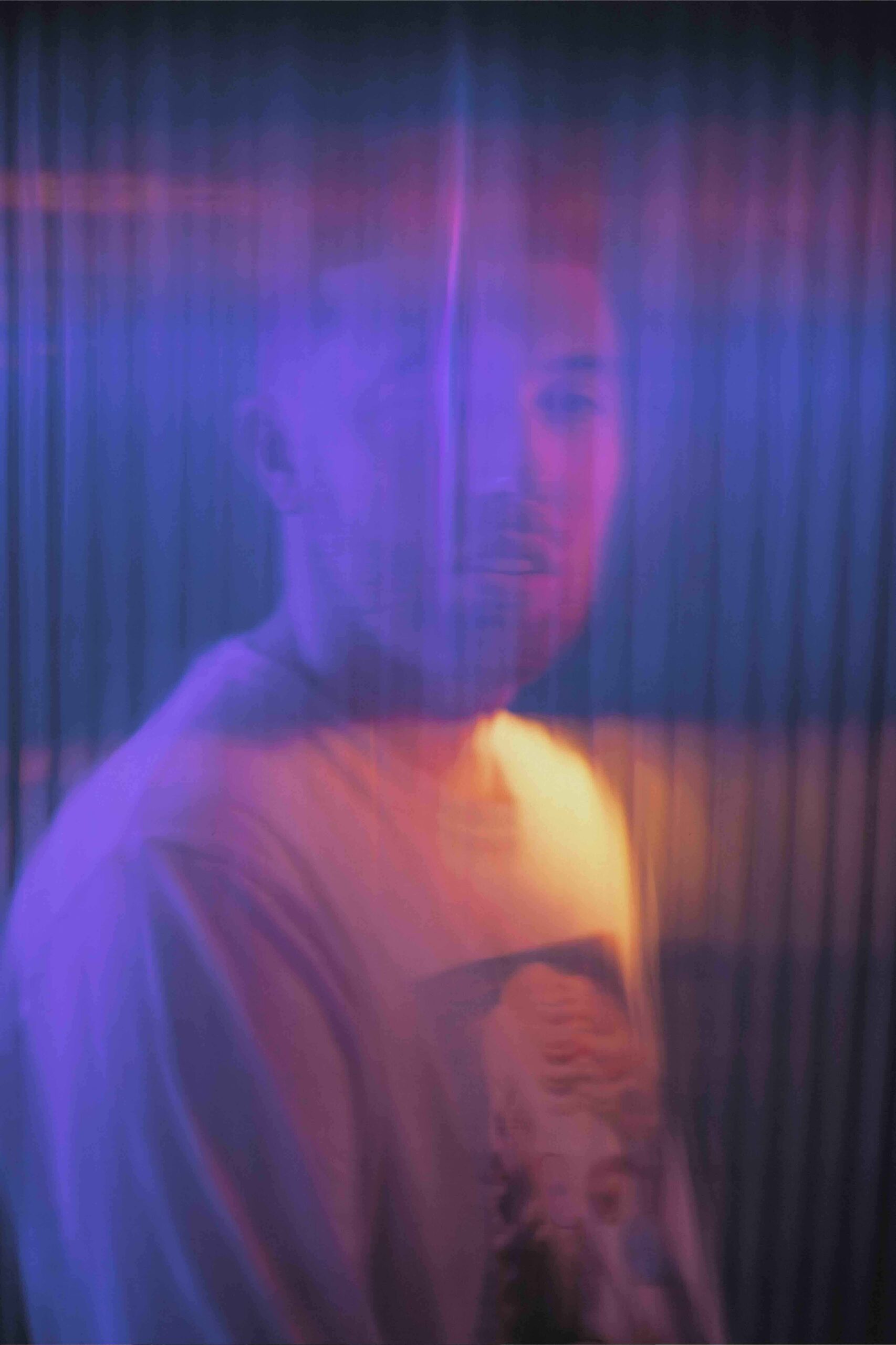
Wonder: A Conversation with TEED
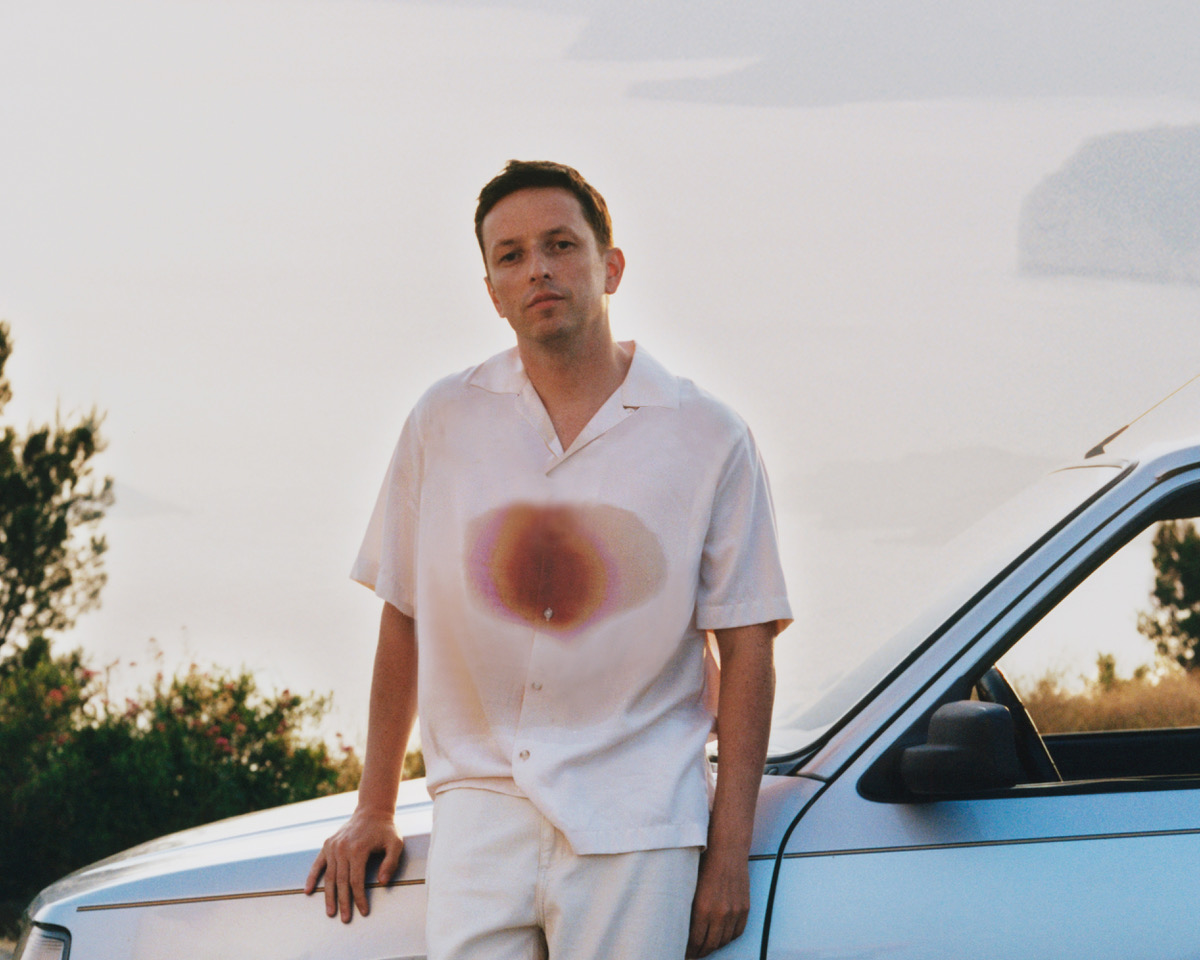
Following the release of a new DJ Kicks mix, we reflect on a changing approach to dance music with the ever versatile TEED.
There is something curious about artists who never really settle into one lane. TEED has spent the best part of two decades drifting between songwriting, club music, pop records and left turns, quietly building one of electronic music’s most distinctive catalogues along the way. What began as an unlikely project somehow stuck, growing from bedroom experiments into festival stages, Grammy nominations and a career that has never seemed particularly interested in standing still.
More than a decade in Los Angeles has inevitably left its mark. The city’s musical history, faded glamour and peculiar relationship with dance music seep through his long-awaited DJ-Kicks, a mix that begins in bright, soulful territory before gradually disappearing into something deeper and more psychedelic. Like the best DJ mixes, it is less interested in a destination than in the journey itself.
We caught up with TEED to talk about wonder, rebuilding old music, resisting neat musical categories and why substance will always outlast the algorithm.
Your DJ-Kicks feels more focused on the build-up than the destination. What is it about anticipation that interests you?
“I’m not sure I know what the destination is.”
DJ-Kicks has always captured artists at particular moments in their lives. What do you think this mix says about where you are right now?
“The serious answer is that it’s a snapshot of a corner of my taste and interests from so many years of being part of this. And I’m probably trying to say too much with it.”
You have been in Los Angeles for more than a decade. Has living there changed what you look for in dance music?
“Of course, but it would be hard for me to describe how though. Perhaps if you looked in the record collections and USB sticks of all the great LA resident DJs you would be able to pin point the themes and patterns. I think the 70s and 80s are particularly important to LA music, what was a rare groove track in the UK was a radio hit in California. I think sex and cars and sunsets, Hollywood sleaze and decayed glamour are all there. And you look for music that speaks to that. Now we are far enough from 2011 that the ghosts of EDM echo through it in a way that I enjoy.”
You have spent much of your career moving between songwriting and club music. Do those worlds feel closer together now than they once did?
“Forget songwriting, when I started there were clubs and scenes that rejected vocals all together. I don’t even think that was a musical thing, just a point of difference. But these days people are less interested in projecting their taste as a social distinction, and so I find that there is a wider appreciation of all kinds of music right now. What’s interesting is how it’s not easy at all to write a good song with a great groove, people love that combination but only a handful arrive each year.”
“I’m still searching for magic. I try to stay in touch with the wonder I had about it all as a teenager, and make sure the industry part of it all doesn’t do too much damage. Wonder is really important. I have had a recurring dream about finding a box of vinyl I want in a record shop since I was 16 (I’m 40), it’s always been a beautiful dream. I wake up happy when I have it. If I’m lost down this rabbit hole, then I only want to get even more lost.”
Revisiting older TEED tracks for this project meant rebuilding them from the ground up. What did that process reveal to you?
“It’s a bit of time travel opening up the sessions. I see the mistakes I made, where I was overly obsessed with one part but neglected another. It’s really fun to revise and rework, the pressure to make the best version of a song is off my shoulders. I’ve been doing it much more since I did these two.”
The mix gradually moves from bright, vocal moments into something much hazier and more psychedelic. What draws you towards that kind of progression?
“That seems to be my way when I record mixes, to start bright and go deeper. It doesn’t have to be like that of course, I just like it. One of the main ideas in djing is persuading the audience to listen and dance through the context of the records before, and if you draw the right lines you can get people moving to stuff they’d never expect. Also, I like the principle of treating deeper tracks and more pop tracks as equal. I’ve always found myself pushing against the people who want to divide it all up.”
There are a lot of voices throughout this mix. What role should vocals play in dance music?
“The same role as any element, it just about intention. Dance music is lost up it’s own butt in musical aesthetics, intention is what matters.”
You grew up around church music, classical training and rave culture. Looking back now, can you see a thread that connects those worlds?
“I do think that the jungle and rave music I was into as a kid had an otherworldly ethereal feel to it, like choral music. The pads and atmospheric elements really worked for me, and the sampling people where doing was so sophisticated. The drums breaks programmed like polyphony, you can follow the interweaving lines. Interestingly I didn’t find that feeling in house music until I was much older, I didn’t have access to the good stuff, it just wasn’t around.”
You have previously described your relationship with music using words like love, obsession and addiction. Has your understanding of that relationship changed over the years?
“I’m still searching for magic. I try to stay in touch with the wonder I had about it all as a teenager, and make sure the industry part of it all doesn’t do too much damage. Wonder is really important. I have had a recurring dream about finding a box of vinyl I want in a record shop since I was 16 (I’m 40), it’s always been a beautiful dream. I wake up happy when I have it. If I’m lost down this rabbit hole, then I only want to get even more lost.”
TEED was never really intended to become a long-term project. What has kept you curious about it after all this time? –
“It’s been an amazing adventure, really it’s taken me to incredible places. I sewed a dinosaur costume and ended up with some grammy nominations. The fact that it started so lighthearted has kept me standing I think. And I have the impulse to make music everyday, so we continue. I feel part of the music ecosystem and I want to keep contributing. Also all the people who have connected with the project as fans or collaborators, they keep it moving too.”
Dance music is increasingly consumed online and in fragments. What do people still need from a DJ mix today?
“If you are putting on a mix, it’s so you can listen to something that is not in fragments. I do think it’s our duty to promote the art ahead of the algorithm, as obvious as that sounds. Besides, most artists are working with an audience in mind that are interested in albums and things that last longer than seventeen seconds. The online fragments have had a big effect on the culture, but they won’t destroy it – substance is more powerful.”
When people listen back to this mix years from now, what do you hope remains?
“Civilisation.”
Buy the DJ Kicks compilation HERE.




Must Reads
David Holmes – Humanity As An Act Of Resistance in three chapters
As a nation, the Irish have always had a profound relationship with the people of Palestine
Rotterdam – A City which Bounces Back
The Dutch city is in a state of constant revival
Going Remote.
Home swapping as a lifestyle choice
Trending track
Vels d’Èter
Glass Isle
Shop NowDreaming
Timothy Clerkin
Shop Now