The Alchemy Of Being with Dor Wand and Tavish
A conversation atop Griffith Park Observatory on ambient machine, pentatonic scales, ambient not ambient and much else besides
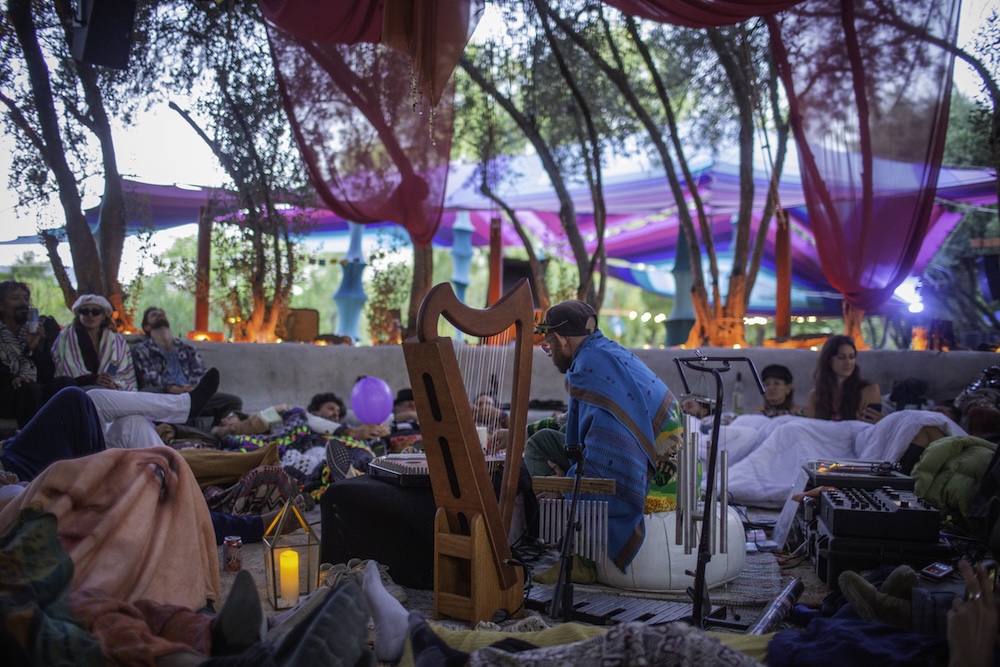
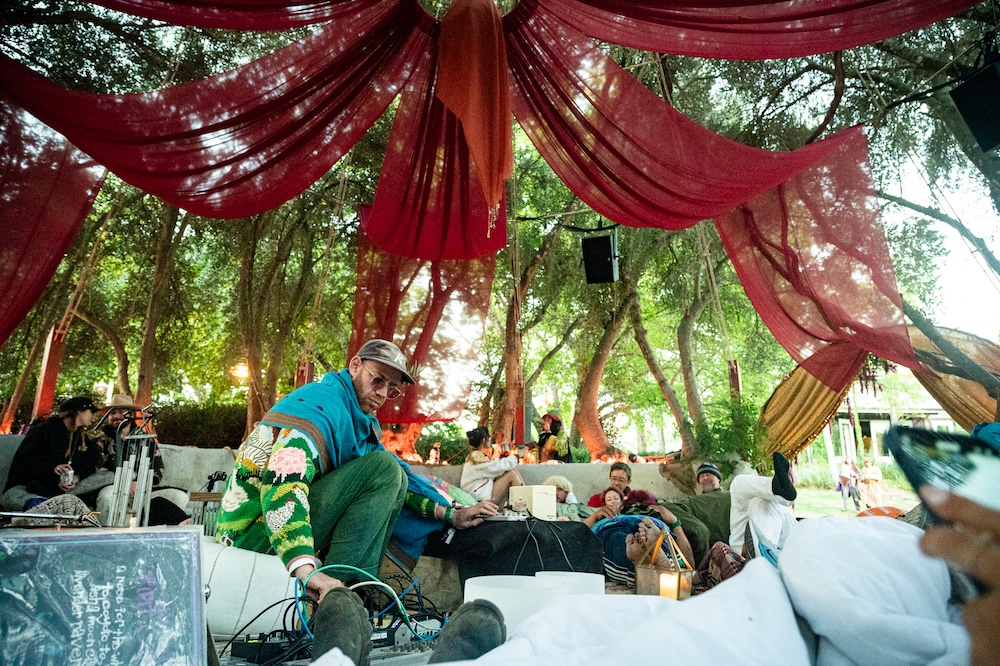
There’s a moment in the conversation between Dor Wand and Tavish, sitting on a hilltop beside the Griffith Park Observatory as the day cools into a soft Los Angeles evening, where Wand talks about building what he calls his “ambient machine.” A harp, an autoharp, a couple of synths, an OP-1 sequencing bass, chimes, tape loops, a few pedals. Everything is tuned in an open pentatonic scale, so he doesn’t have to think about what he’s playing. He just interacts with the instruments and trusts that whatever happens will fit.
That’s a useful way into Alchemy of Being, his new album on Multi Culti. It came out of a period of deep personal challenge, shadow work and inner reckoning that couldn’t find its way into words. So Wand let it out non-verbally, playing at home for himself with no intention of recording, processing emotions through sound rather than language. Eventually he brought in Rejoicer to co-produce, drove out to 29 Palms with a collection of instruments and a modular system and a Moog Grandmother, and recorded most of it in single takes over a weekend. Light improvisation, then capture. The result is less a collection of tracks than a listening environment: layered synths, live harp and tuned percussion moving gently between tension and release. Rhythm without drums, an undulating movement that opens up space rather than imposing structure.
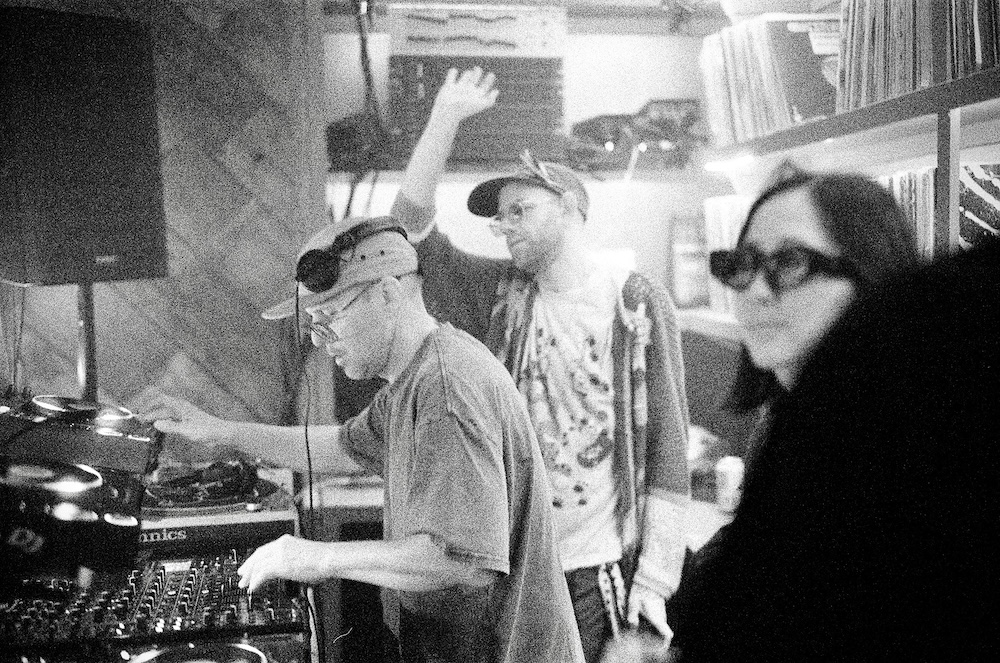
Wand’s roots in chill-out culture run deep. He spent time in London around Coldcut, Mixmaster Morris, The Orb and Steve Hillage, and has worked chill-out stages at Glade, Big Chill and Glastonbury. That lineage informs his current project Beacon of Light, which reimagines the chill-out room for a contemporary context, a space to decompress and recalibrate within club culture rather than apart from it. He’s a resident on dublab, where he hosts Open Heart Social Club, is the founder of Fault Radio, and is an active contributor to The Basement in LA.
He sat down with the most excellent Tavish at Point Winona to talk about the album, the ambient machine, and why he sometimes hesitates to call any of this strictly ambient at all. Alchemy of Being is out April 20th on Multi Culti.
Tavish: Can you speak about the inspiration behind the record, the sound, the feeling, and the purpose? And perhaps how Los Angeles played into it.
Dor: This album came out of a period of deep personal challenge. I was doing a lot of inner work, shadow work, and found myself unable to express what I was going through in words.
Out of that, I built what I started calling my “ambient machine” — a setup that allowed me to express myself non-verbally through instruments and process emotions in a more intuitive way.
Los Angeles played a big role in that. I was opening up into the community here and felt deeply inspired by the creative energy around me. Most of the time, I was just playing at home for myself. Recording was never really the intention — it was more about the process than the outcome.
Eventually, I brought a few close collaborators together, including Rejoicer, who co-produced the album. We went out to 29 Palms with a collection of instruments and recorded everything over the course of a weekend. Most of it was done in single takes — we would lightly improvise and then record. It really captures a specific moment in time.
So the process was about assembling elements of this “ambient machine” and allowing them to exist within a framework. Can you expand on what that setup consists of?
The setup includes a harp, autoharp, a couple of synths, an OP-1 for sequencing bass, chimes, tape loops, and a few pedals.
Everything is tuned in an open tuning within a pentatonic scale. That way, I don’t have to think about what I’m playing — I can just interact with the instruments and trust that whatever happens will fit. All the sequences are aligned harmonically with the harps, so the system holds itself together. The pedals and tape loops help create a sense of atmosphere. For the recording, we also brought a modular system and a Moog Grandmother, which expanded the sonic palette.
Let’s talk about ambient music and the chill-out room – not just as sound, but as an ethos.
I feel fortunate to have been exposed early on to people like Coldcut, Mixmaster Morris, The Orb, and Steve Hillage while I was living in London. Being around artists who helped shape those environments had a deep impact on me.
At the same time, I’m very rooted in dance music. I see dancing as a powerful form of expression. But over time, I’ve become increasingly aware of the need for contrast within those spaces. Clubs can be overwhelming and overstimulating, and there often isn’t a place to decompress. There is intensity, but not always balance. The chill out room historically provided that — a space to recalibrate.
Having worked on chill out stages at festivals like Glade, Big Chill, and Glastonbury, I’ve seen how important those spaces can be. That has become a central focus for me now — reviving and reimagining the chill out room in a contemporary context.
In relation to the album, I see this music as existing alongside dance music. It’s less about genre and more about feeling. “Chill out” resonates with me because it is not genre-bound — it can include ambient, downtempo, trip hop. It’s about creating a certain state. Even with this record, I sometimes hesitate to call it strictly ambient. It is electronic, but there is also an organic quality running through it. That intersection feels essential.
There’s a strong sense of rhythm in the record, but often without drums – more of an undulating movement.
Exactly. Removing drums felt important for this album. A defined rhythm started to feel limiting. Without that structure, there is more space. It allowed me to lean fully into a more intuitive way of playing — less thinking, more feeling. The music becomes something you interact with rather than control.
Where do you see your music evolving from here?
With the growth of Beacon of Light, my project around reimagining chill out spaces, I’m starting to explore bringing rhythm and drums back into my productions. I already have work in progress that moves in that direction.
I’m really inspired by the late 90s and early 2000s chill out and downtempo movement, and I would love to create something that speaks to that lineage. At the same time, I’m still experimenting. I’m just grateful to be putting music out and seeing how it resonates. That has been really encouraging.
Alchemy of Being is out now on Multi Culti.
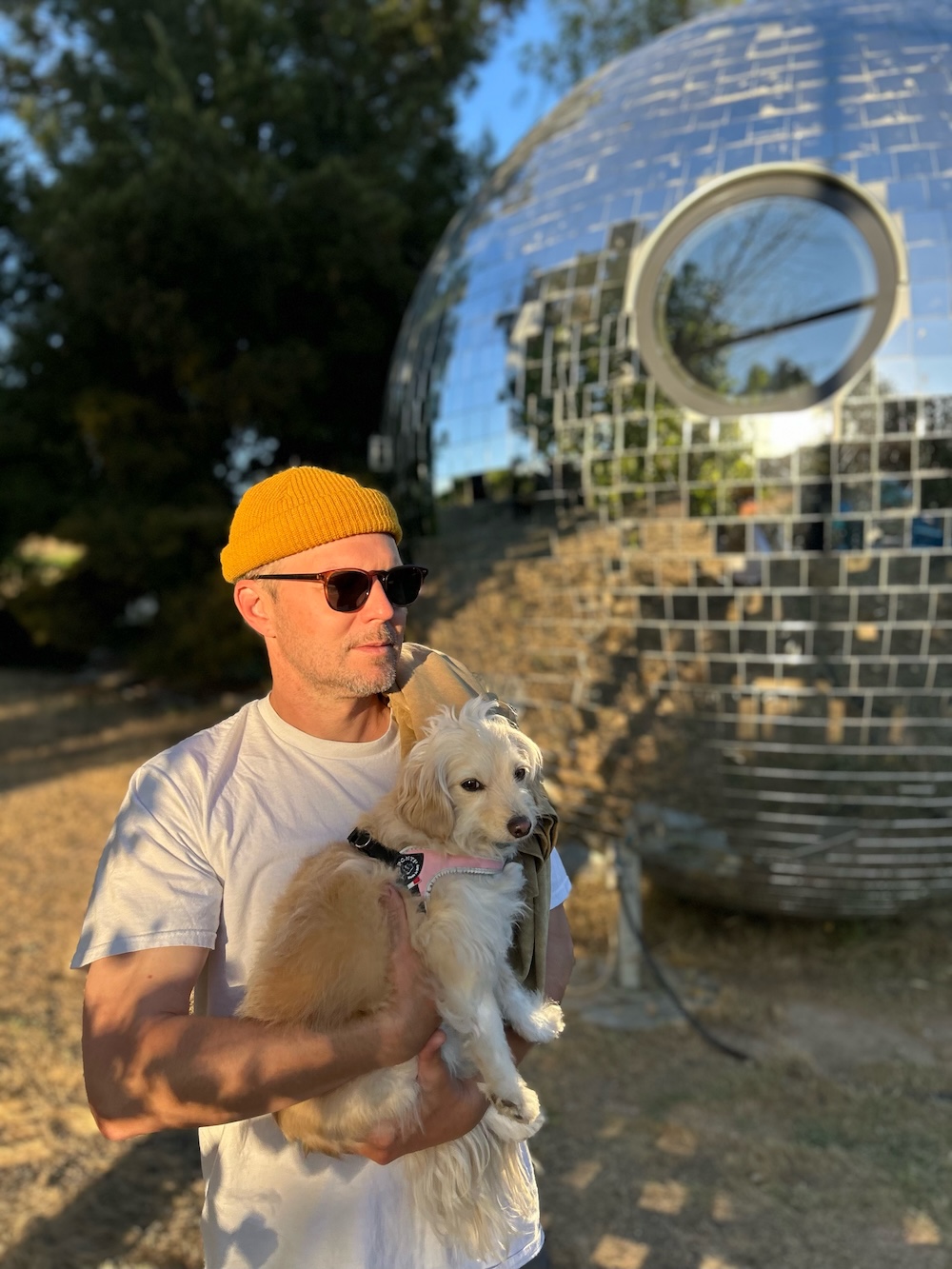
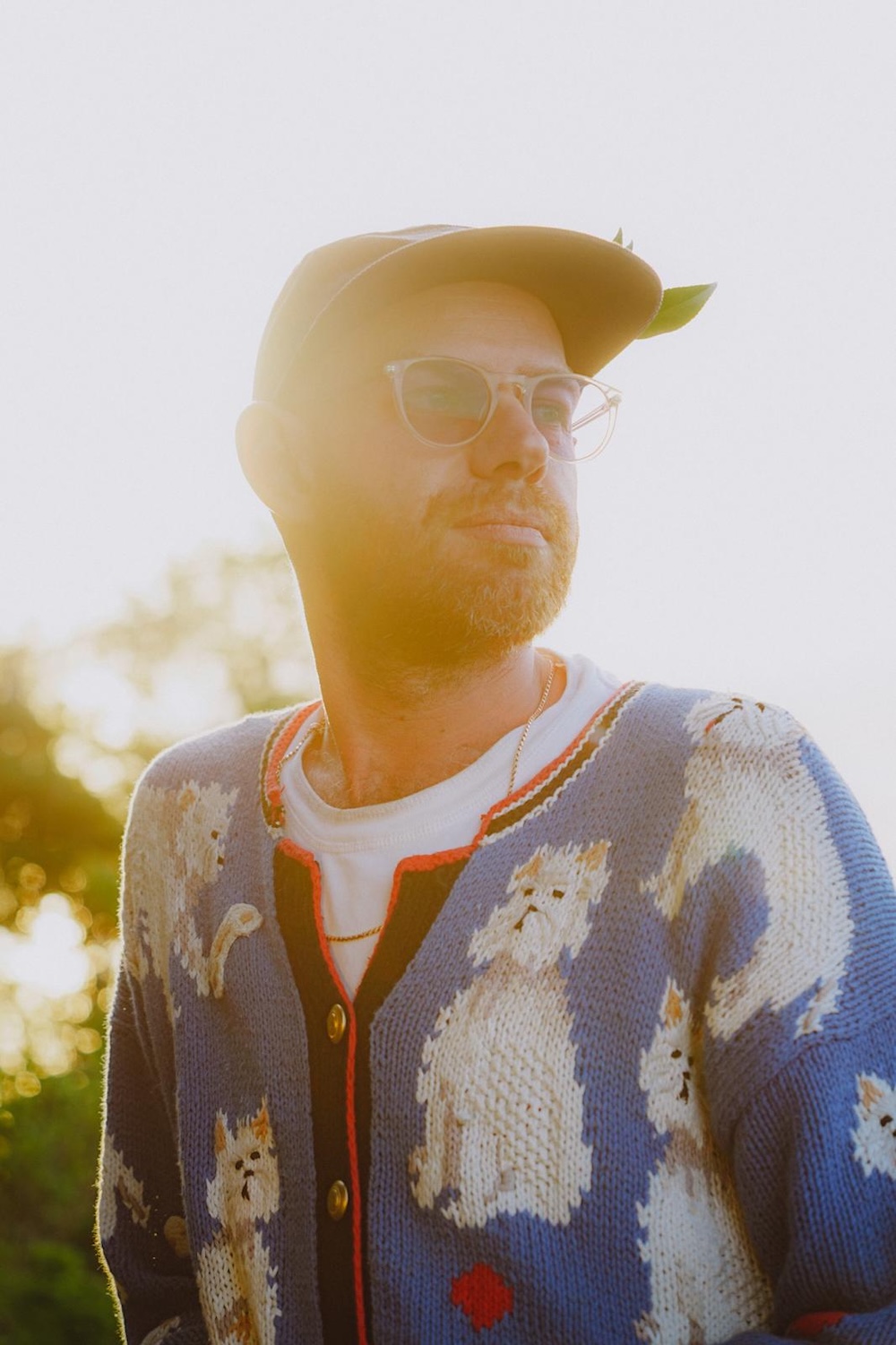
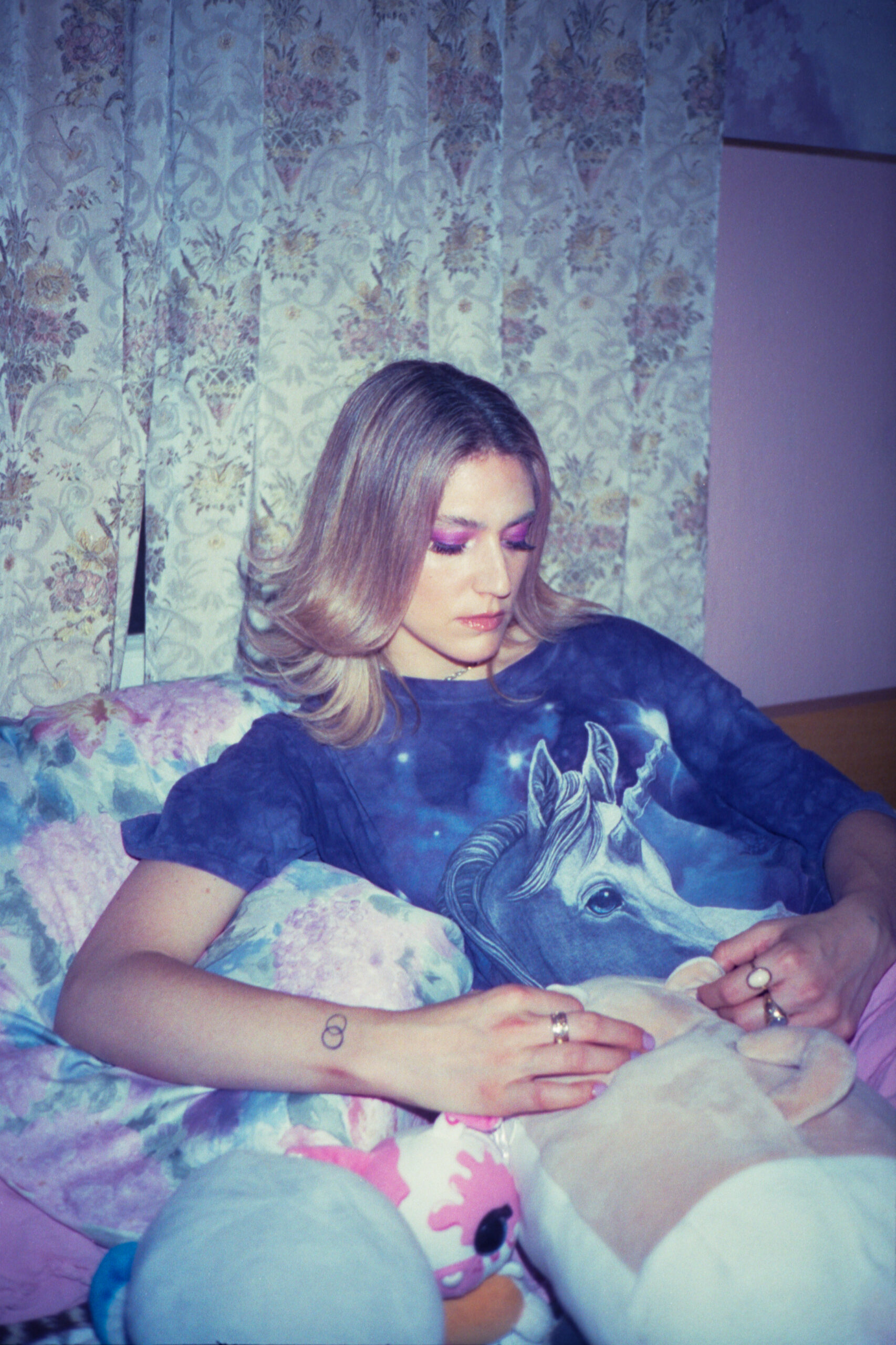
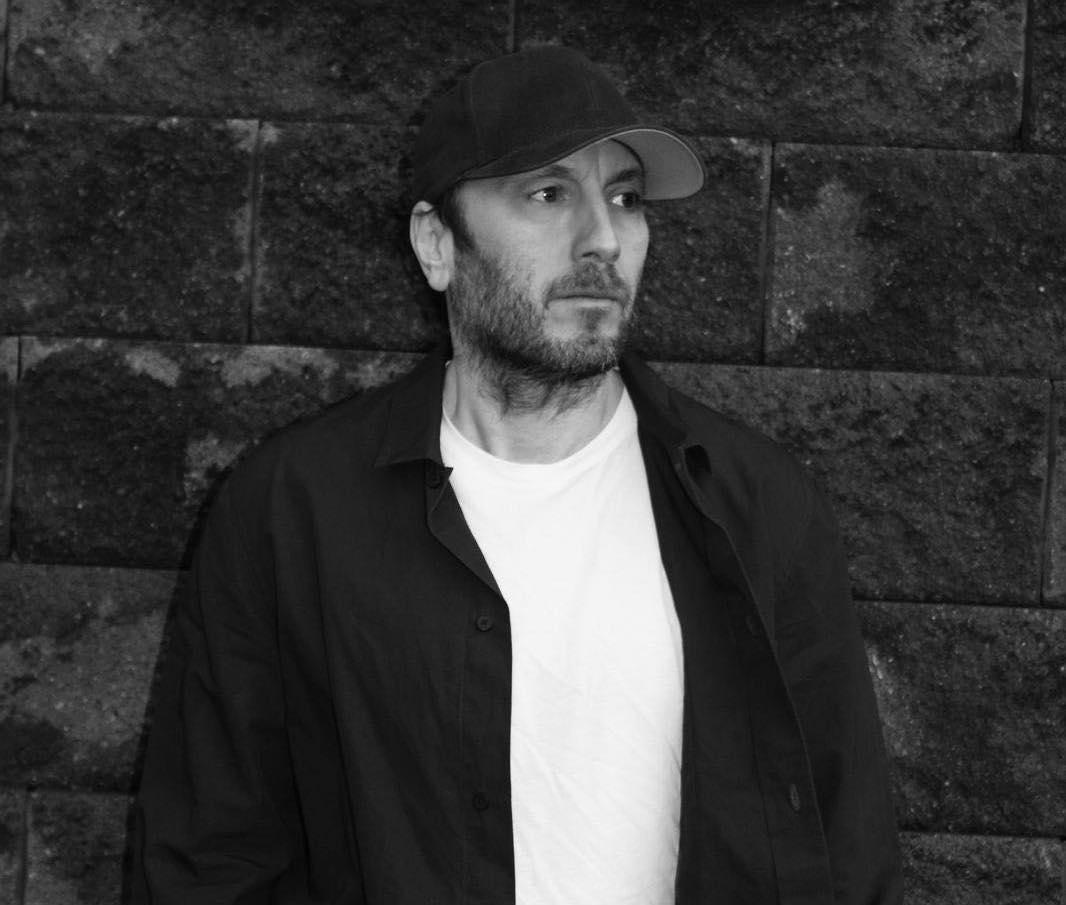
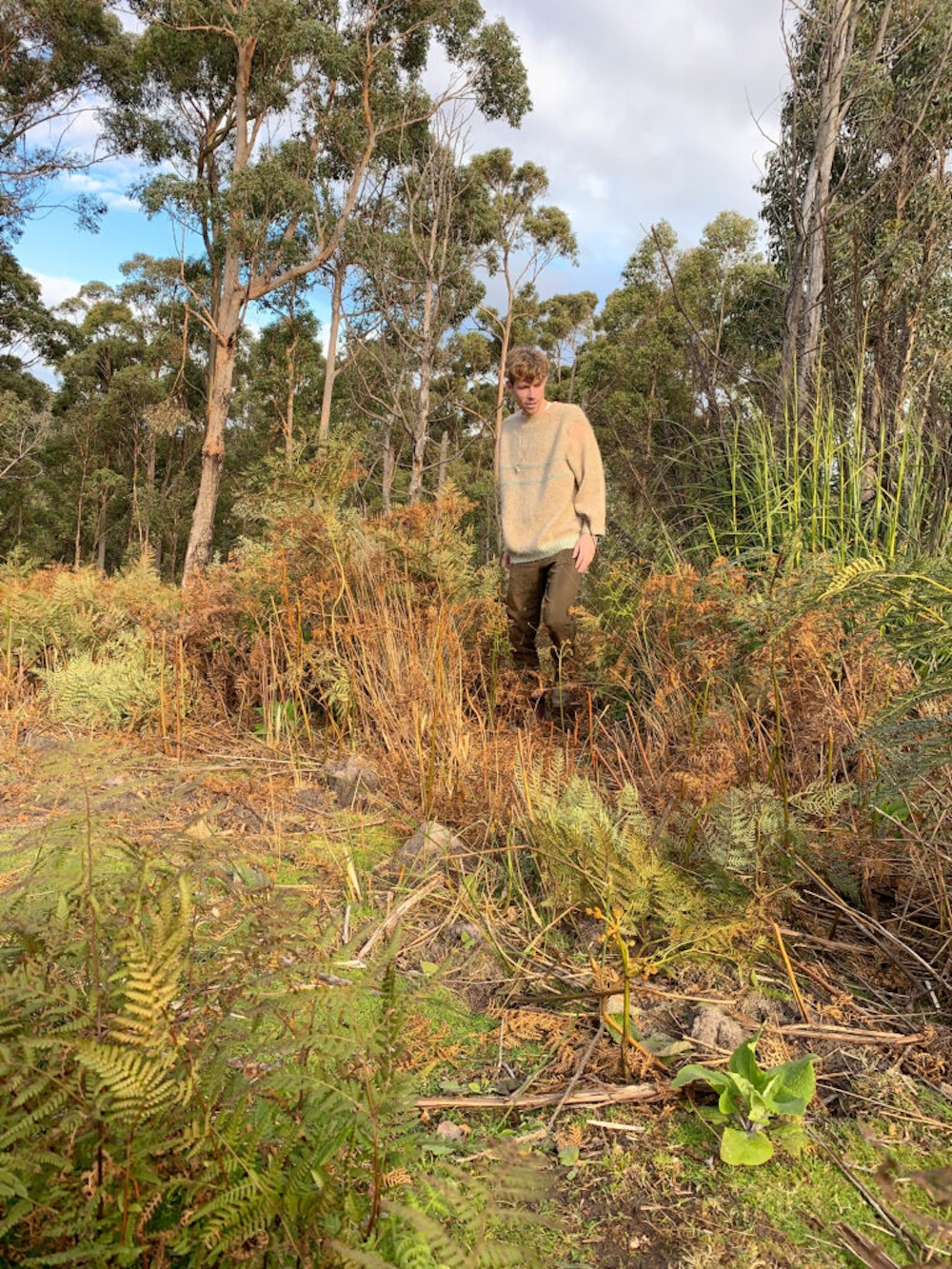
Right, time for some dog related pics, even tho I’m a cat person… here’s a nice picture of Tavish and his dog…and Dor in a dog jumper.





Must Reads
David Holmes – Humanity As An Act Of Resistance in three chapters
As a nation, the Irish have always had a profound relationship with the people of Palestine
Rotterdam – A City which Bounces Back
The Dutch city is in a state of constant revival
Going Remote.
Home swapping as a lifestyle choice
Trending track
Vels d’Èter
Glass Isle
Shop NowDreaming
Timothy Clerkin
Shop Now