Restless Boredom: Euan Dalgarno on Recovery, the MS2000 and Cliff Workshop
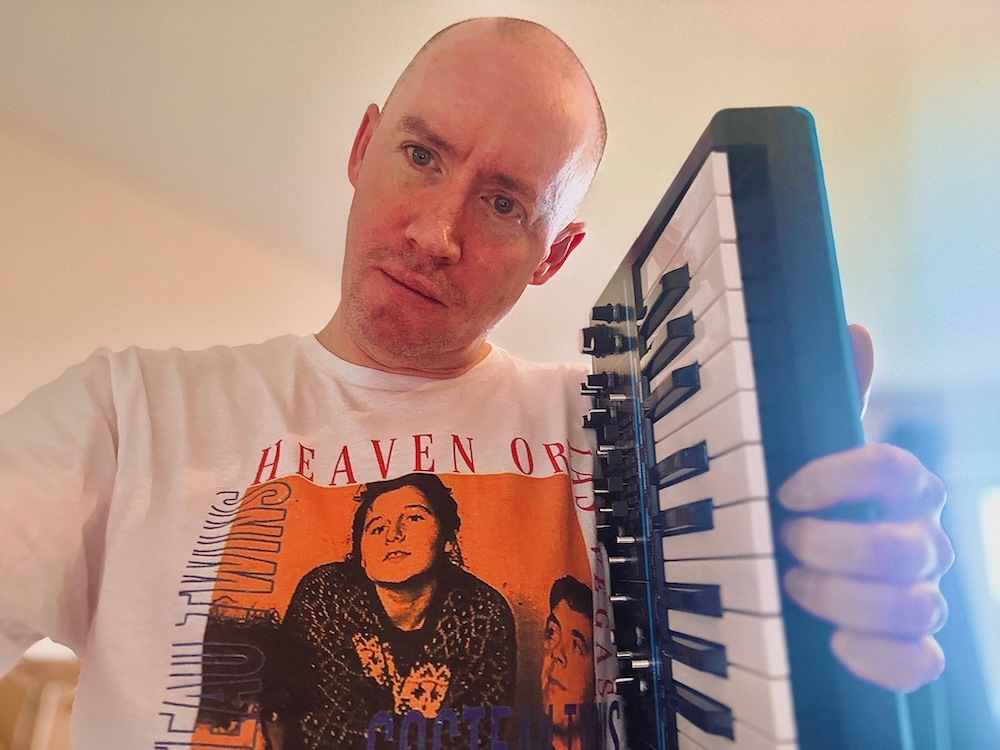
We spoke to the Scottish producer about healing, the underrated MS2000, and why too much gear can kill a good idea.
Minutes before a bad fall last year (that’s 2025 for those earthlings reading this from the future), Euan Dalgarno was listening back to a recent release and noticing errors. The panic was total, almost physical. He’d been juggling two albums, three remixes and a handful of side projects. Music had become a weight. Lying in the hospital that night, he decided to stop.

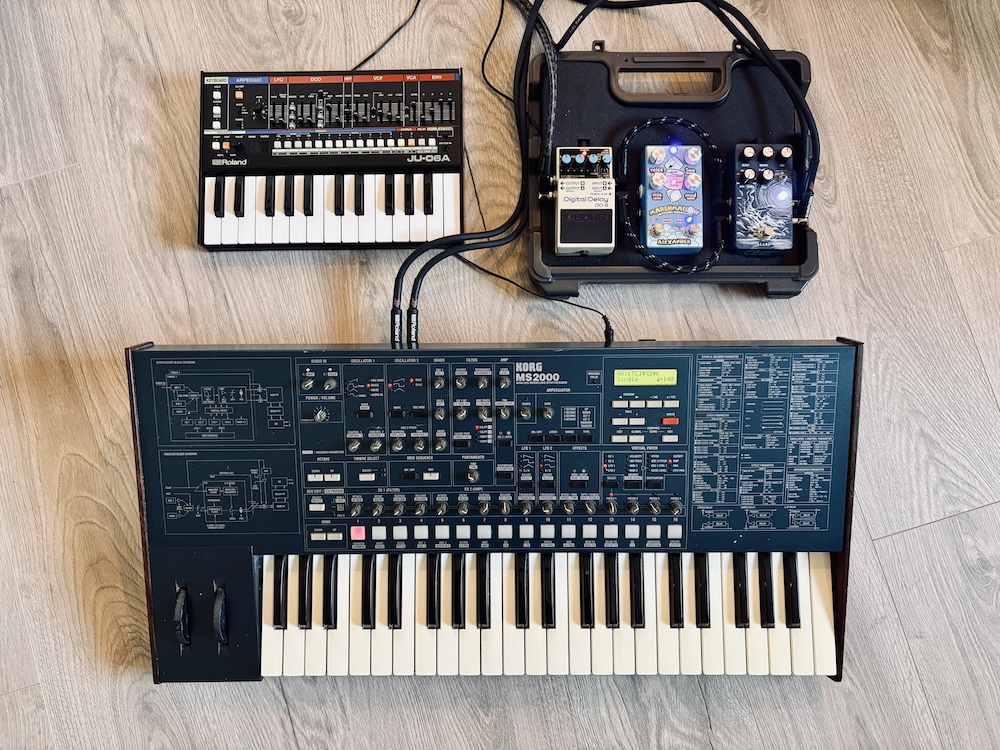
A few days later, restless boredom brought him back to the piano and the laptop. What came out was different. Softer. Not demanding a level of perfection, or demanding anything at all, really. He started writing solo piano pieces, slow and calm, but gradually fed them through a Korg MS2000 and a Juno 106 soft synth. The piano receded. Strange, warm textures took their place. The original keys are still in there on tracks like ‘The Bealach’ and ‘White Moth’, buried somewhere in the back, but the album that emerged over the following weeks belongs to a different instrument entirely.
Cliff Workshop is the Edinburgh-based composer’s first release for Bytes, the label run by my longtime friend Joe Clay, who found solace in these tracks while dealing with a family member’s serious illness. Dalgarno and Clay had been exchanging correspondence for years, all the way back to LP1, but something about the previous records never quite clicked. This one did. Eight tracks, concise and intentional, nothing that filled space, not that his previous work did either.
A spellbinding set of experimental electronics, austere modern classical, blustery shoegaze textures and orchestral post-rock, composed predominantly with a Korg MS2000, three guitar pedals, field recordings and bowed strings, plus spoken word from longtime collaborator Claire Shanley-Inglis, a vocalist he first met at music college in Scotland in the mid-90s. She recorded the titles of paintings by Joan Eardley, the Scottish artist who painted obsessively in the coastal village of Catterline.
The music drifts between Eno-like calm and sudden bursts of distorted guitar and dense sound. Dalgarno is a self-confessed disciple of happy accidents, of turning knobs and seeing what happens, of granular effects that are 95% unplanned. Three decades of working with synths and he’s still just pushing buttons. It shows, in the best possible way.
We spoke to him about healing, the underrated MS2000, and why too much gear can kill a good idea.
The journey behind Cliff Workshop unfolded during your recovery from an accident.Was it a conscious decision to dive into creating an album, or did it just flow naturally for you?
In September 2025, I had a bad fall that left me out of action for about a month. It happened between the releases of Uoying in August and Uoying Remixed in October, both albums that leaned heavily on electronics. Looking for some sense of healing, I planned on writing something more calming and decided a solo piano album would be a good idea. Cliff Workshop started out as purely piano music. I had three or four soft, solo piano pieces that I’d started on almost immediately, but as time went by I started playing these pieces on different instruments, most notably a Korg MS2000 and a Juno 106 soft synth. The Korg, with only 4-part polyphony, introduced some interesting changes to the music, and gradually the piano parts started to disappear, replaced by more experimental sounds. You can still hear the original piano on tracks like ‘The Bealach’ and ‘White Moth’. They’re buried in there, somewhere in the back.
You’ve described this album as “a kind of safe space” during your healing process. Could you share some specific moments or experiences during recording that made you confront challenging emotions?
Minutes before my accident, I was listening to an album I’d recently released, and I’d noticed a few errors that I’d missed, maybe I’d sent the wrong file to the label, and the panic that this sudden realisation induced was completely overwhelming, almost like a panic attack. The music had become a weight. I was working on 2 albums, 3 remixes, and a number of side projects that required mixing, mastering, etc. This intense anxiety was caused solely by music – too much music – searching for perfection in music. Lying in the hospital later that night and the following morning, I decided to call it a day with composing, producing, anything released to writing music, really, but a few days later, restless boredom brought me back to the piano and the laptop.
“The music I started writing felt like a form of self-soothing. The complete opposite of what previous albums had done; it didn’t demand the same level of perfection, and it stayed this way throughout the album, from start to finish.”
Listening back now, it’s interesting how the music doesn’t drag you back to those tougher times; instead, it radiates warmth and comfort. Did that sense of reassurance evolve organically throughout the creation process?
I think some of that comes from the joy of having time to write music. I work full-time on a back shift, so at most I can usually dedicate only a couple of hours a day to it. My usual writing process involves a lot of thinking about the music, what I need to do to a certain piece, but all this is done far away from any instruments and computers. When I do get to compose, I have a short window of one hour or two to have a creative burst, usually between 0100-0230 each morning. After my fall, though, I suddenly had much more free time. I was off work for a month, and not having to rush the process gave the music a much more relaxed, laid-back feel.
With just the Korg MS2000, a handful of guitar pedals, some field recordings, and bowed strings, you highlight the beauty of simplicity. Was this less-is-more aesthetic a direct response to your recovery journey, or have you always been drawn to that stripped-back sound?
It’s always been this way. I’ve never been one for accumulating lots of gear. I don’t have the space for it, and too much equipment can dilute creativity. Being surrounded by synths and endless presets makes it tempting to just grab a ready-made sound rather than rely on your own skills to shape something original. In my setup, I use three synths and three soft synths. Besides the Korg, there’s a Novation Bass Station ll and a Roland Juno boutique synth. There are a few Kontakt orchestra instruments that I use, sometimes I’ll use mic’d instruments, but a lot of the work is done post-recording. Granular effects and guitar pedals are used a lot here. Just a simple chain like an MS2000 pad going through two pedals – a pitchshifter and a stereo reverb can spark hundreds of ideas. Feed that into something like an Eventide Crystals plugin, or MeldaProduction MGranularMB and you have a limitless amount of super-creative soundscapes to play with. It’s all you need, really.
The way you embraced Brian Eno’s wisdom – “honour thy error as a hidden intention” – shines through in this album. It captures that serene yet tumultuous essence beautifully. How much of the Cliff Workshop vibe emerged from those happy accidents?
Oh yeah, I’m a big Eno fan. I’m reading his ‘a year with Swollen Appendices’ and it’s a great insight into his life in 1995.
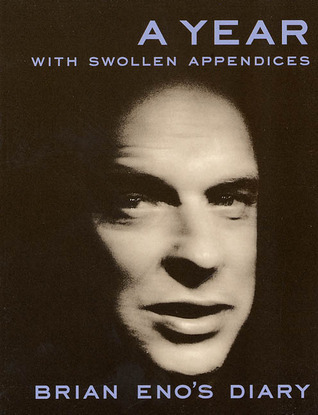
Recording Bowie, U2, James. And yes, writing modern music is all about accidents. So many of these devices that we use are uncontrollable. Sometimes trying to harness the madness or even just understand the basics is a mission in itself. With the granular stuff it’s never planned. It’s 95% like ‘turn it on and see what happens’. Even after three decades of using synths I’m still all about just turning knobs and pushing buttons and seeing what happens
The right honourable Joe Clay from Bytes shared how much solace he found in your tracks during a loved one’s illness. That must be incredibly touching to hear! How does it feel knowing your music resonates so deeply with someone during hard times?
That is very touching. I’ve been sending Joe music for a long time. All the way back to LP1, so to finally get a release through Bytes is a great honour for me, let alone for the music to have such an effect on him. Knowing that something I’ve created can have that kind of impact on someone is incredibly special.
It’s great to see you collaborating with Claire Shanley-Inglis again! Do you see her spoken word contributions adding a distinct texture, or is it more about the meaning behind the words for you?
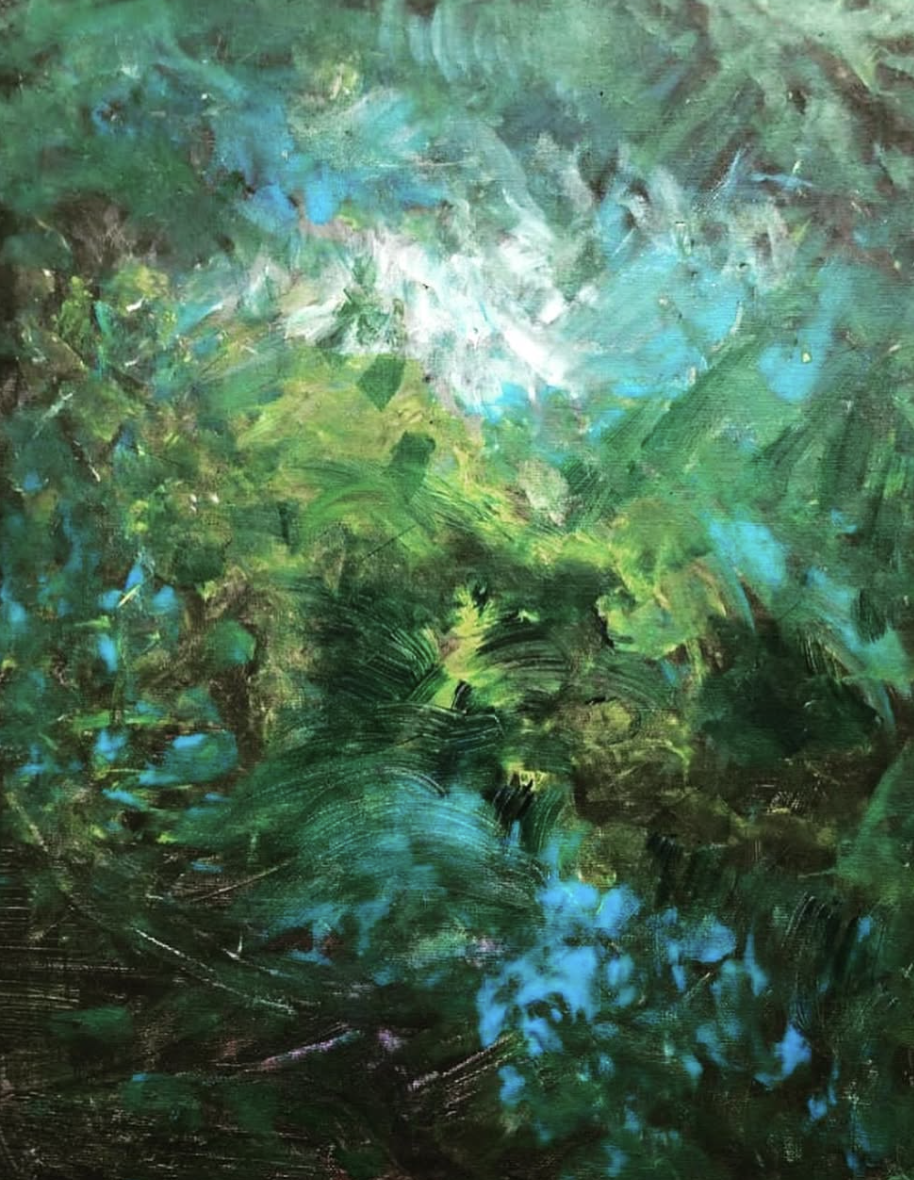
I first met Claire in Music College in Scotland. She was a vocalist there..and a very good one. We’d been in a few bands together back in the mid-90s and have been friends ever since. She is a very good artist too, and spends a lot of her free time painting abstract artworks. With that in mind I suggested she recorded the titles of her favourite artist’s painting. The artist is Joan Eardley, and Catterline is the Scottish coastal village where she often painted.
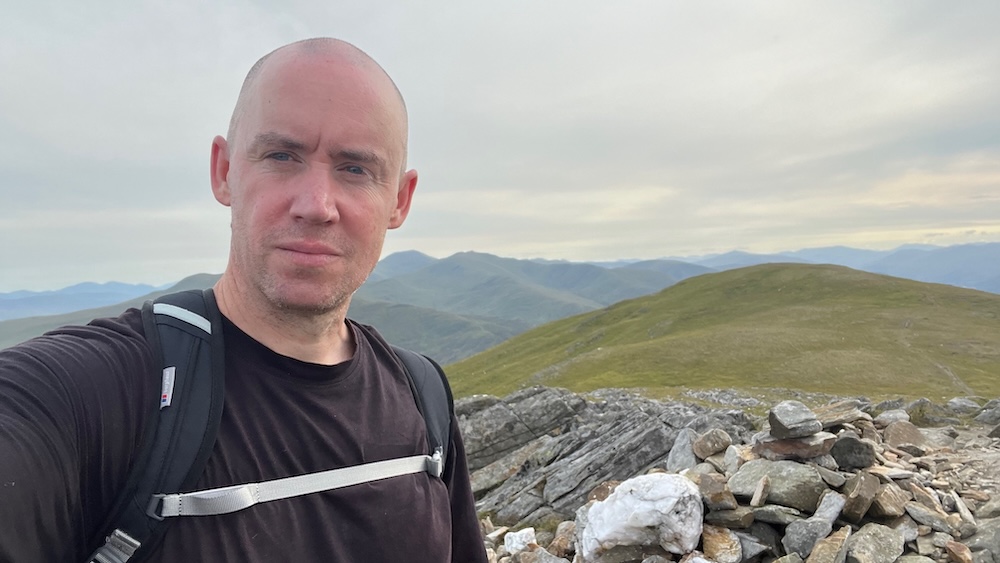
Looking back at your previous work, there are influences from Steve Reich, Peter Gabriel, and Herbie Hancock. Can you pinpoint particular moments or ideas from these artists that directly influenced the emotional tone or structure of Cliff Workshop?
I listen to these artists a lot, and each of them influences me in some way. It’s never intentional, but their music is always playing, so it naturally seeps in. I’ve never really thought, “I want to make a track like that,” which is probably a good thing as they’re all far more accomplished musicians than I’ll ever be. Still, Reich’s sense of rhythm is incredible. Gabriel’s Security still feels original today, and Herbie… well, Herbie is Herbie, one of the greatest musicians of our time.
What made this album the right moment to finally team up with Bytes after years of correspondence with the aforementioned Mr Clay.
I don’t think my earlier albums quite landed. I’d send them to Joe, and to his credit, he was always encouraging, but something never fully clicked. With Cliff Workshop, it’s concise and intentional; everything is there for a reason, nothing just filling space. I think that’s what resonated with him.
Lastly, it’s intriguing how music made during recovery carries its own enchantment. Do you think listeners might perceive Cliff Workshop differently if they know the backstory versus just letting the music wash over them?
That’s a tricky one. I’ve been trying to think of albums with backstories and whether they’ve changed how I hear them. I wouldn’t want people to assume mine comes from a dark place mentally. I’ve fully recovered, aside from a couple of facial scars. I tend not to take the recording process into account when listening to albums, so I’m ok either/or.
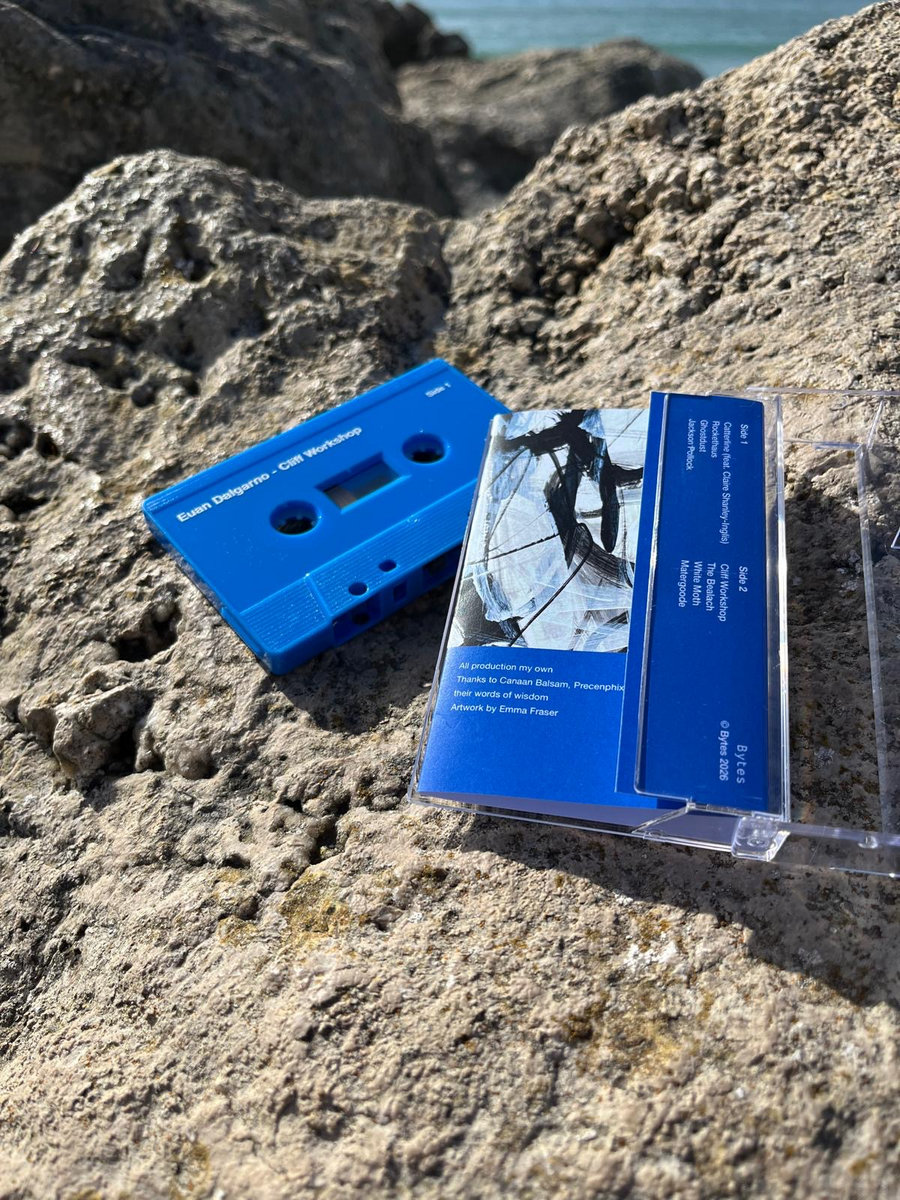
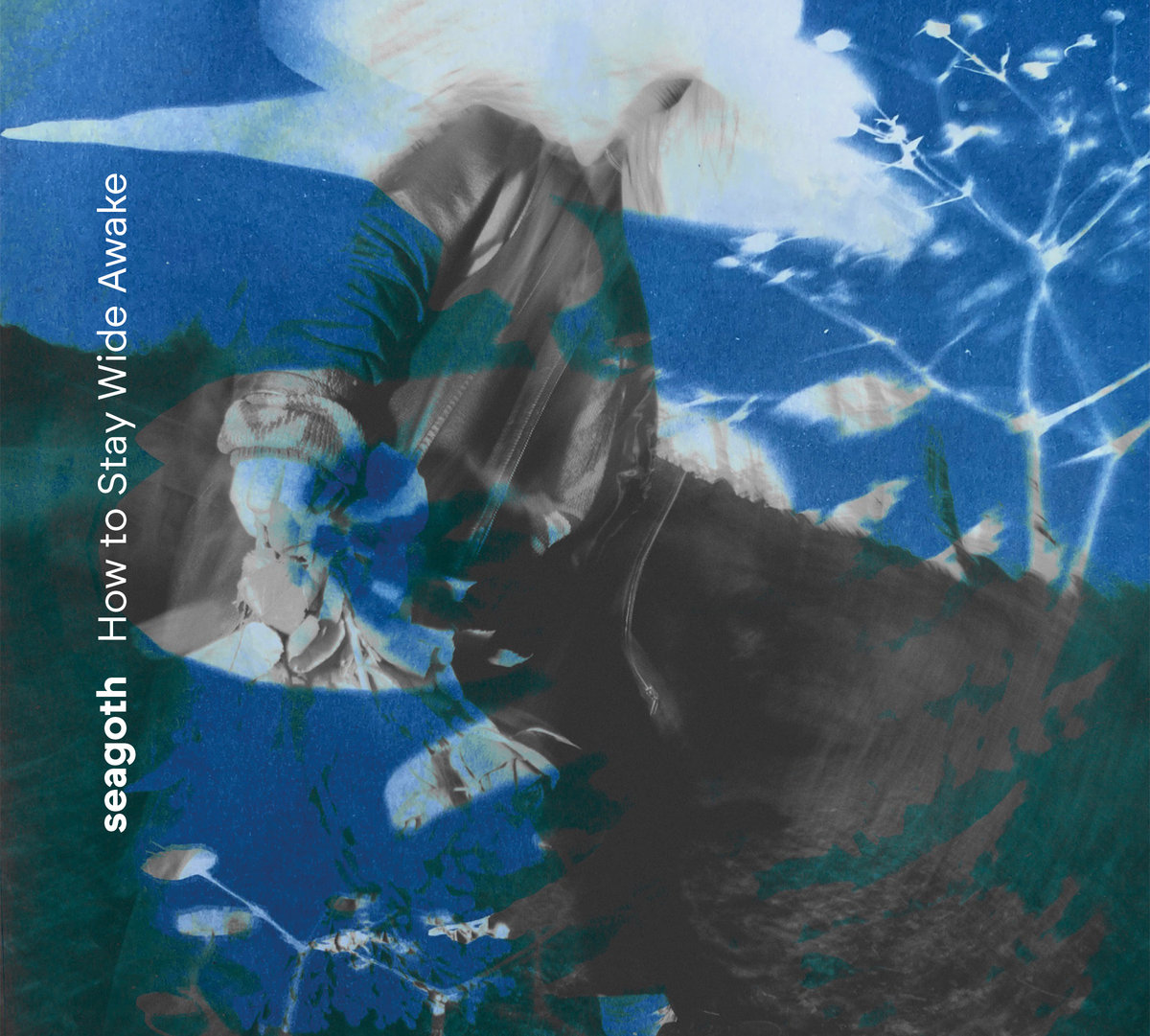
Cliff Workshop is out May 15 on beautiful blue cassette and digi






Must Reads
David Holmes – Humanity As An Act Of Resistance in three chapters
As a nation, the Irish have always had a profound relationship with the people of Palestine
Rotterdam – A City which Bounces Back
The Dutch city is in a state of constant revival
Going Remote.
Home swapping as a lifestyle choice
Trending track
Vels d’Èter
Glass Isle
Shop NowDreaming
Timothy Clerkin
Shop Now