Post-Postcard Venice
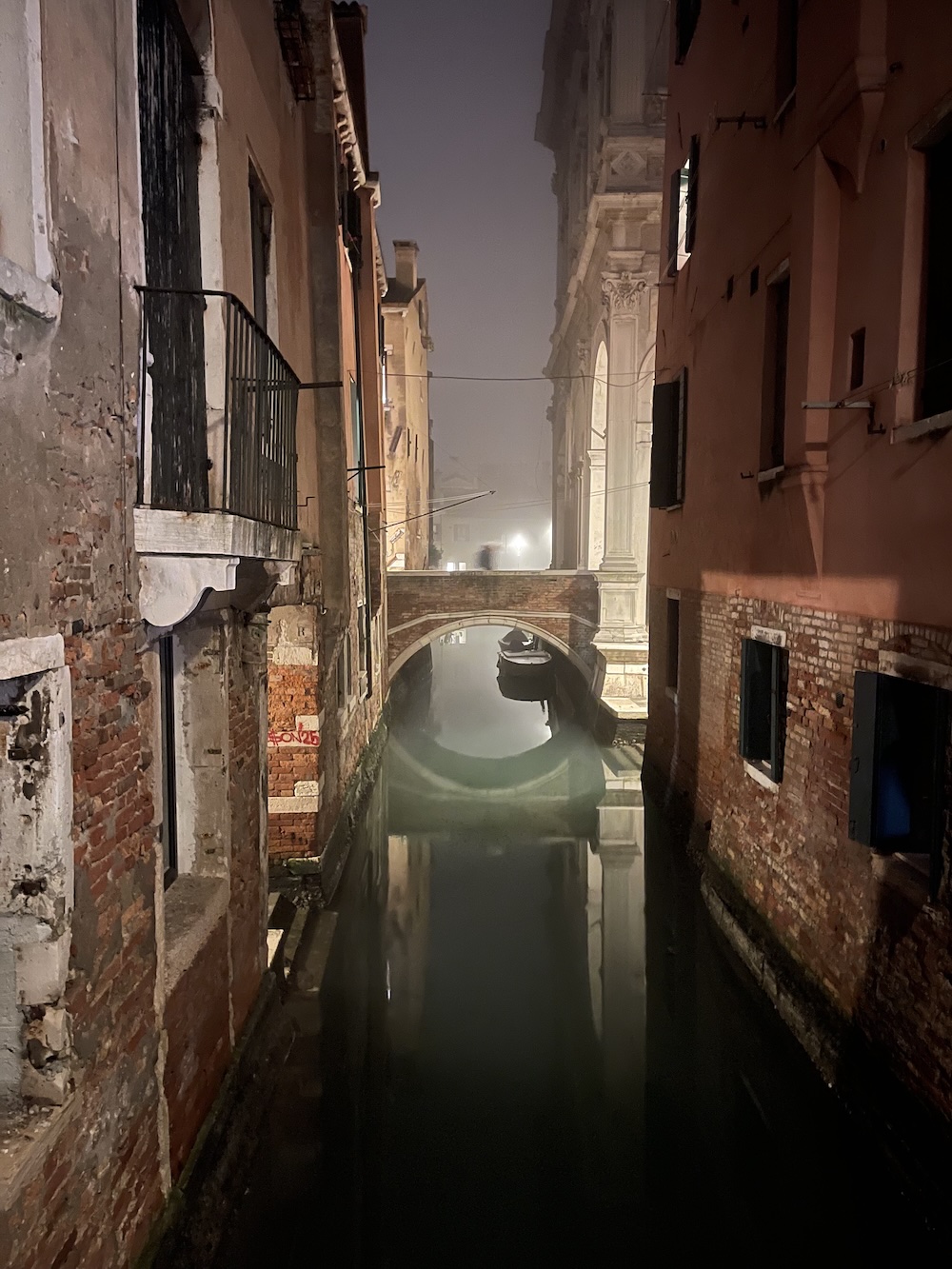
Venice stopped evolving and started performing. Now it’s learning to live again
Venice is somewhere I know. Or rather have known. I used to go there as a slightly reluctant student, with my boyfriend at the time, whose parents lived there. It was an exciting thing to say to people, as a financially strapped undergrad, that you were “going to Venice”, and not only that, that you’d be with people who lived there and knew it, who could show you the ‘real Venice’, take you to the places not listed in the guidebook.
Unfortunately, however, it turns out I wasn’t emotionally mature or anywhere near sophisticated enough to take full advantage of this at the time. The vaporetto from the airport – essentially a bus on water, but far more James Bond – was thrilling enough. But the moment I stepped off onto the island itself and into the thoughtfully curated schedule of my then-boyfriend’s parents, something in me switched off. I took on a slightly sulky demeanour, frustrated by not being able to just go off and do exactly what I wanted (drink €1.50 spritz in the daytime, mostly) and I felt the real struggle with adult concepts like compromise and gratitude. Truth be told, I had little enthusiasm for Renaissance paintings, St. Mark’s Square, canal rides, Tintoretto’s glowing saints. I didn’t really care for any of that. What I wanted was the Venetian version of the student life I knew: bars, music, clubs, with a side of bargain clothes shopping.
It might not be surprising to hear it didn’t work out with said boyfriend of the time, and like the relationship ceased to be, so did visits to his parents (would’ve been weird otherwise) and with that, any real need to voyage to the floating city. However, for various reasons, the last few years have brought me back to Venice, and I’ve been re-living it through a different lens. I have, believe it or not, grown and matured. I appreciate new things now. I actually love architecture and iconic piazzas, and I’m well known for loving a boat ride in almost any form. I still, on holidays and weekends, can be known to drink in the daytime. I still am not enthused by Renaissance paintings. So I’ve changed a bit for sure and maybe I never knew what Venice truly was or what was swimming beneath those deep green canal waters anyway (in hindsight, my never-to-be in-laws were never going to take me to the best rave of my life), but the city itself is also surfacing from beneath its own reflection, revealing sides that were always there but long submerged..
For so long, Venice has been a city of contradictions. Built on water, sustained by trade, ruled by masked intrigue. Long before it became the iconic Instagram backdrop for people clutching an Aperol Spritz like a wedding bouquet, before it settled into its current baroque costume, La Serenissima was genuinely radical. Back during the height of Carnevale in the 18th century, the city transformed into something unprecedented: aristocrats and commoners mingled under masks, gender became fluid, and social hierarchies dissolved. And this went on for several months at a time. The Ridotto, Venice’s legendary public gambling house, operated as Europe’s first casino, a space where women gambled alongside men, where fortunes changed hands and identities blurred. In many ways, 18th-century Venice was living the progressive ideals we’re only now reclaiming – fluidity, openness, the dissolution of rigid social codes. It was thrilling, liberated, centuries ahead of its time.
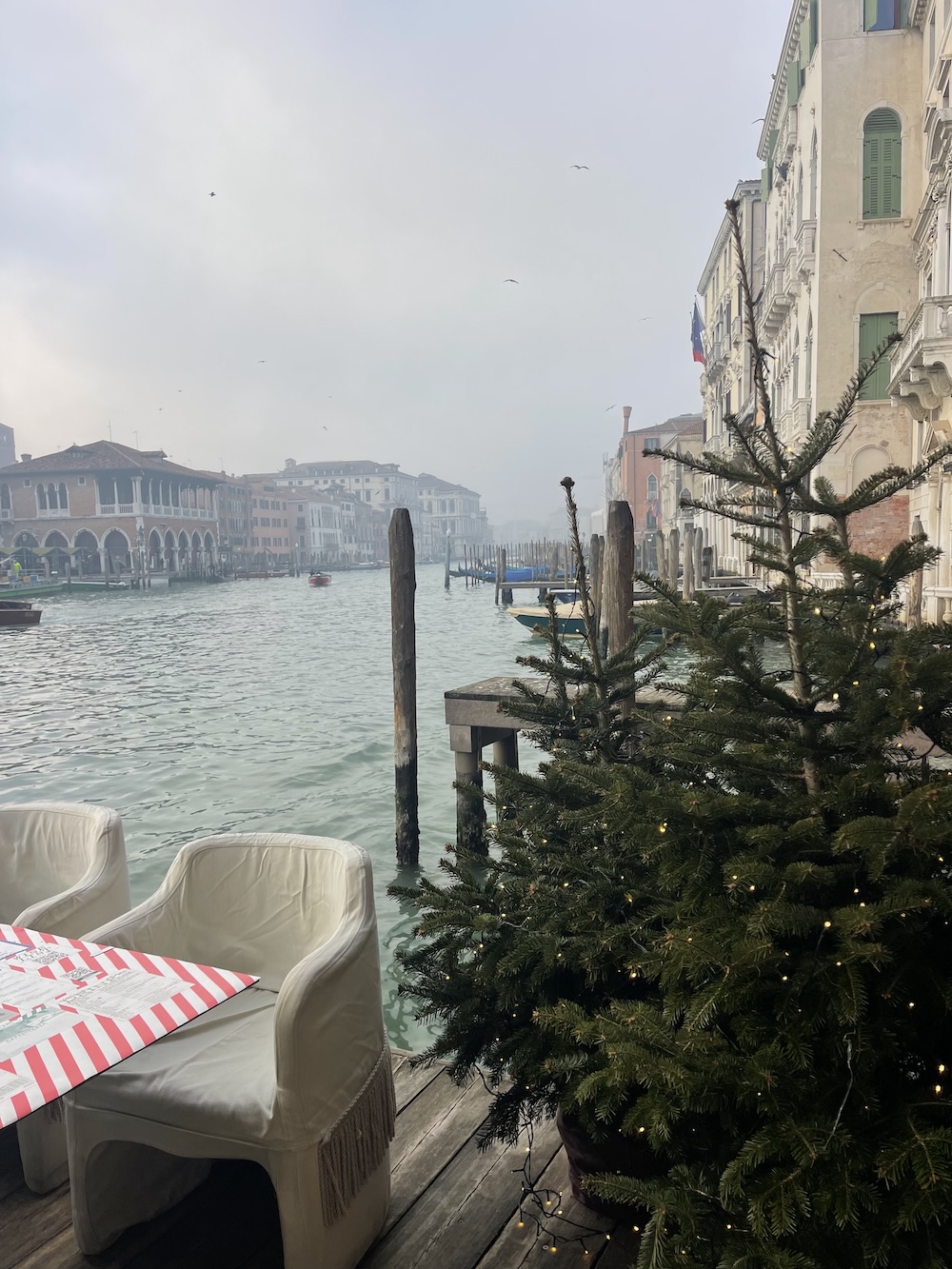
Then something calcified. As mass tourism exploded in the latter half of the 20th century, the aesthetic that once signified evolution became fixed. Venice stopped changing and started performing, its experimental spirit gradually buried under the expectations of visitors seeking a version of the city that existed more in collective imagination than contemporary reality. The city quite literally began to sink. Not just physically, but culturally.
But something’s been shifting. In Cannaregio, in pockets around Rialto and San Polo, a new generation of projects are pushing back against Venice-as-a-living-museum. It’s not a revolution, more a quiet insistence that the city can be lived in, not just looked at. Al Bomba arrived first, in a way that feels genuinely local, raw, unpretentious, the kind of place where Venetians actually go for cicchetti and wine without the performance. The energy is casual, standing-room-only most evenings, filled with the kind of easy conversation that only happens when locals outnumber tourists. No costume, no staging. Just good wine, simple food, and the sense that you’re in someone’s neighbourhood, not their theme park. Vino Vero, a natural wine bar that hugs the canalside in Carneggio, has become something of a hotspot, though it wears that status lightly. Inside, it’s all exposed brick and candlelight, the wine list skews biodynamic and low-intervention, and the small plates arrive looking almost accidental in their simplicity. It’s the kind of spot where you can sit for hours without feeling like you’re part of someone else’s itinerary, where the staff know their producers personally and can tell you exactly which hillside your wine came from. Then there’s Il Vizietto in San Polo, tucked away with that casual local ambience that makes you feel like you’ve stumbled onto something rather than been directed to it. The kind of place that doesn’t announce itself, doesn’t need to. You go, you eat cicchetti, you drink, you talk. It’s ordinary in the best possible way.
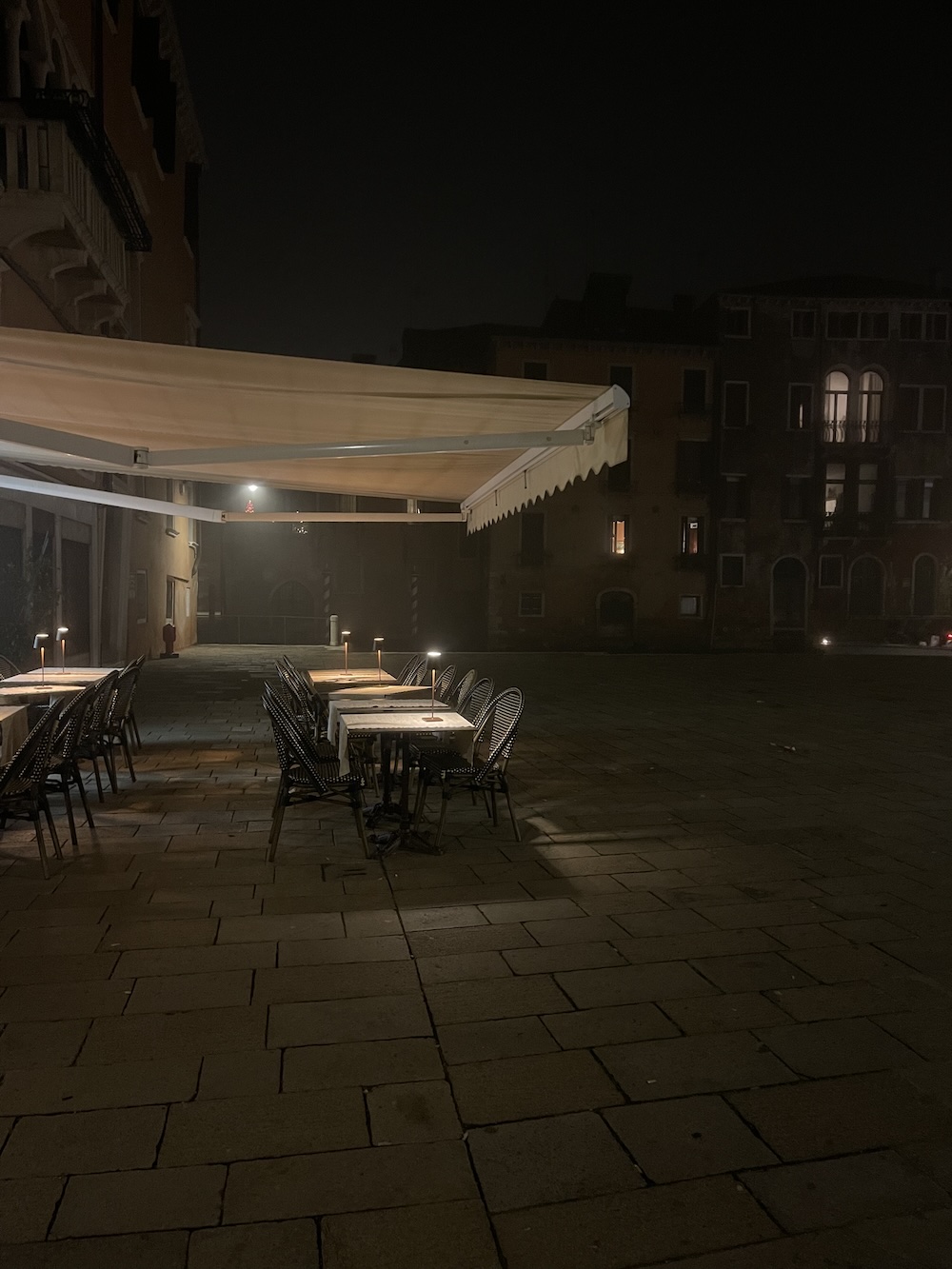
Something’s been shifting. In Cannaregio, in pockets around Rialto and San Polo, a new generation of projects is pushing back against Venice-as-a-living-museum. It’s not a revolution, more a quiet insistence that the city can be lived in, not just looked at.
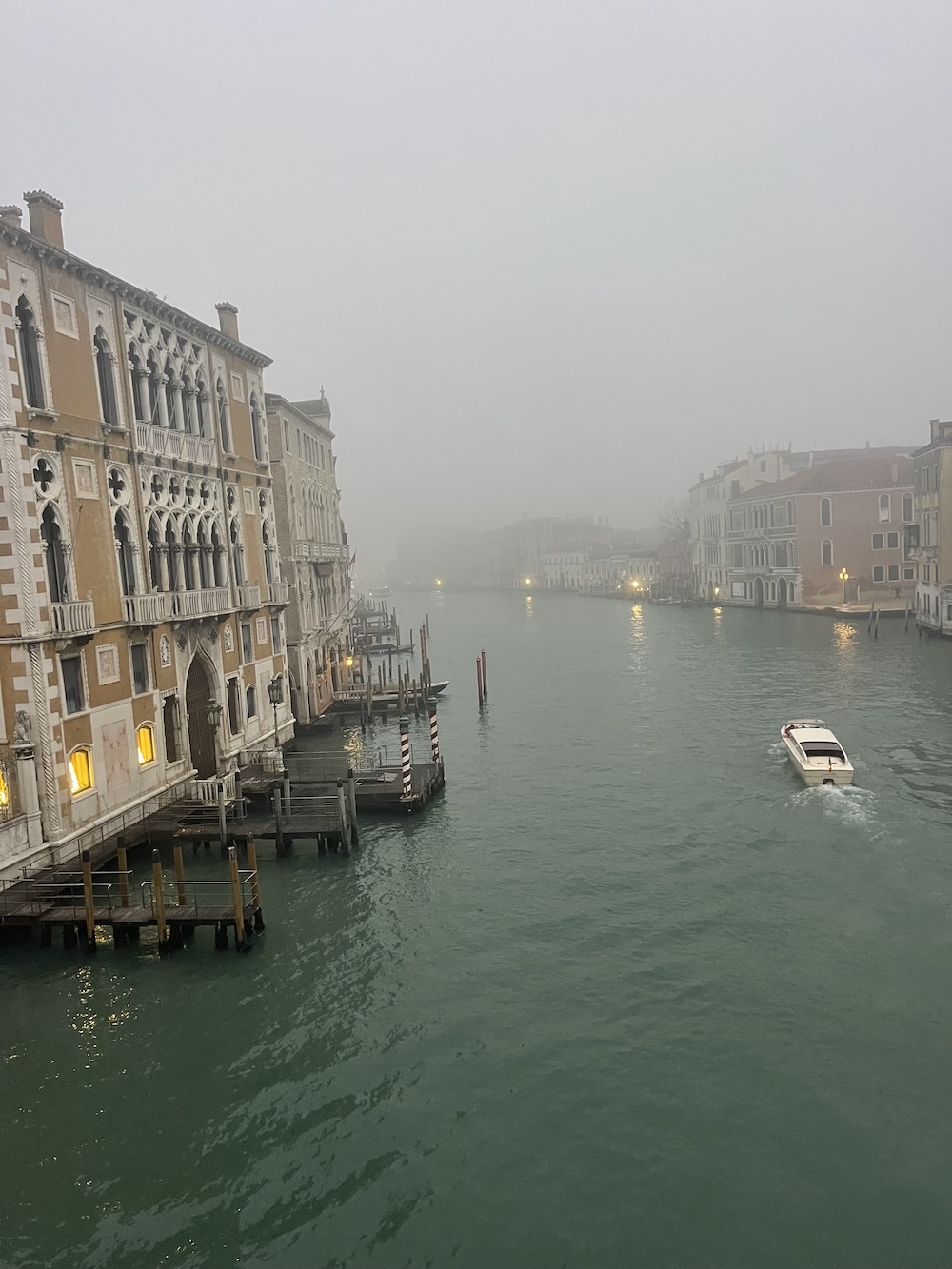
The retail landscape is shifting too. Kooch, a slow fashion and design store specialising in handmade pieces from Iran, offers something entirely outside the Venetian souvenir economy. Each item carries its own story, its own craftsmanship, nothing to do with mass-produced masks or Murano glass keychains. Then there’s Serra dei Giardini, possibly the most interesting of the lot: part café, part bookshop, part cultural space housed in the historic greenhouse of the Giardini in Castello. It’s a collaboration between Venice’s Biennale and a local collective, hosting exhibitions, talks, and serving as a genuine third space for both Venetians and visitors. It feels like it could exist in Berlin or Copenhagen, but it’s here, rooted in Venice’s cultural heart, serving actual locals alongside the culturally curious. Venice M’Art sits somewhere in this constellation. Tucked into Ca’ da Mosto, one of the oldest palazzos on the Grand Canal (over a thousand years old) the building sat waiting and empty for four decades before opening as part of the Venice Venice Hotel project. The sotoportego, that ancient passageway where water once flowed beneath the building, has been reactivated as it was intended: a merchant’s warehouse, a place of arrival and exchange. What’s striking is how close it sits to Rialto – that this kind of contemporary intervention, this “Postvenetian” approach as founders Alessandro and Francesca Gallo call it, exists right in the historic heart speaks to something shifting. The restaurant opens through huge glass doors onto the Grand Canal, tables wedged between ancient concrete columns and silver baubles, facing the fully operational market across the water. It’s not the Venice of postcards – it’s the Venice that works, that functions, that lives. Boats pass continuously: water taxis, vaporetti, gondolas (still mindblowing), fishing vessels, cargo barges. This canal operates like the M25, another major arterial highway where a city’s true character reveals itself in motion.
Inside, the emporium stocks Champion and K-Way alongside Venetian slippers reimagined with a sneaker twist. Even the hand soap isn’t the now-standard Aesop but their own line, The Erose – small details that suggest a different kind of luxury, one less concerned with signalling and more with substance. Black-and-white photographs of local fishermen and vendors line the walls, not styled, just documented. It’s an approach that involves commissioning site-specific installations, collaborating with contemporary artists, using materials like salt-corroded aluminum and brass that age visibly, refusing the pristine perfection that has sometimes strangled Venice’s ability to evolve. I’m skeptical by nature, especially of hotel projects claiming to reinvent anything, especially when “reinvention” usually means expensive wallpaper and a house cocktail. But across Cannaregio, San Polo, and beyond, there’s a network of efforts – Venice M’Art, Al Bomba, Vino Vero, Il Vizietto, Kooch, Serra dei Giardini – that feels less like branding and more like building. The city is sinking, yes, but it’s also shifting. What strikes me most is this: Venice isn’t just somewhere to visit and marvel at and imagine ‘what used to be’ anymore. It’s somewhere I could spend time, go slow, could actually live. There are places for me now, through all my ages and phases. The sulky undergrad who wanted cheap spritz and her own space. The slightly more grown version who appreciates a good boat on open waters and doesn’t mind lingering over lunch. Even the future version who might want to wake up slowly, make coffee, wander to a bookshop, drink natural wine in the afternoon without it feeling like a tourist activity (arguably, also me now).

Venice remains our mothers’ dream: the canals, the architecture, the accumulated weight of Western art history. But deep in the Spritz Era, something else is emerging: a city shedding its museum costume and becoming a place people can actually inhabit again. Not in the confrontational sense, but in the liberating one. A place that challenges conventions, dissolves hierarchies, lets you become someone else for an evening. Or just let you be yourself, even more radical. The water rises. The city adapts. And somewhere between ancient Byzantine arches and contemporary installations, between Al Bomba’s lack of pretension and Serra dei Giardini’s quiet confidence, between take-away Spritzes and panettone with espresso, Venice insists it’s more than its own reflection. It’s a place you could actually stay.







Must Reads
David Holmes – Humanity As An Act Of Resistance in three chapters
As a nation, the Irish have always had a profound relationship with the people of Palestine
Rotterdam – A City which Bounces Back
The Dutch city is in a state of constant revival
Going Remote.
Home swapping as a lifestyle choice
Trending track
Vels d’Èter
Glass Isle
Shop NowDreaming
Timothy Clerkin
Shop Now