CHLOÉ: The Ransom Note Mix
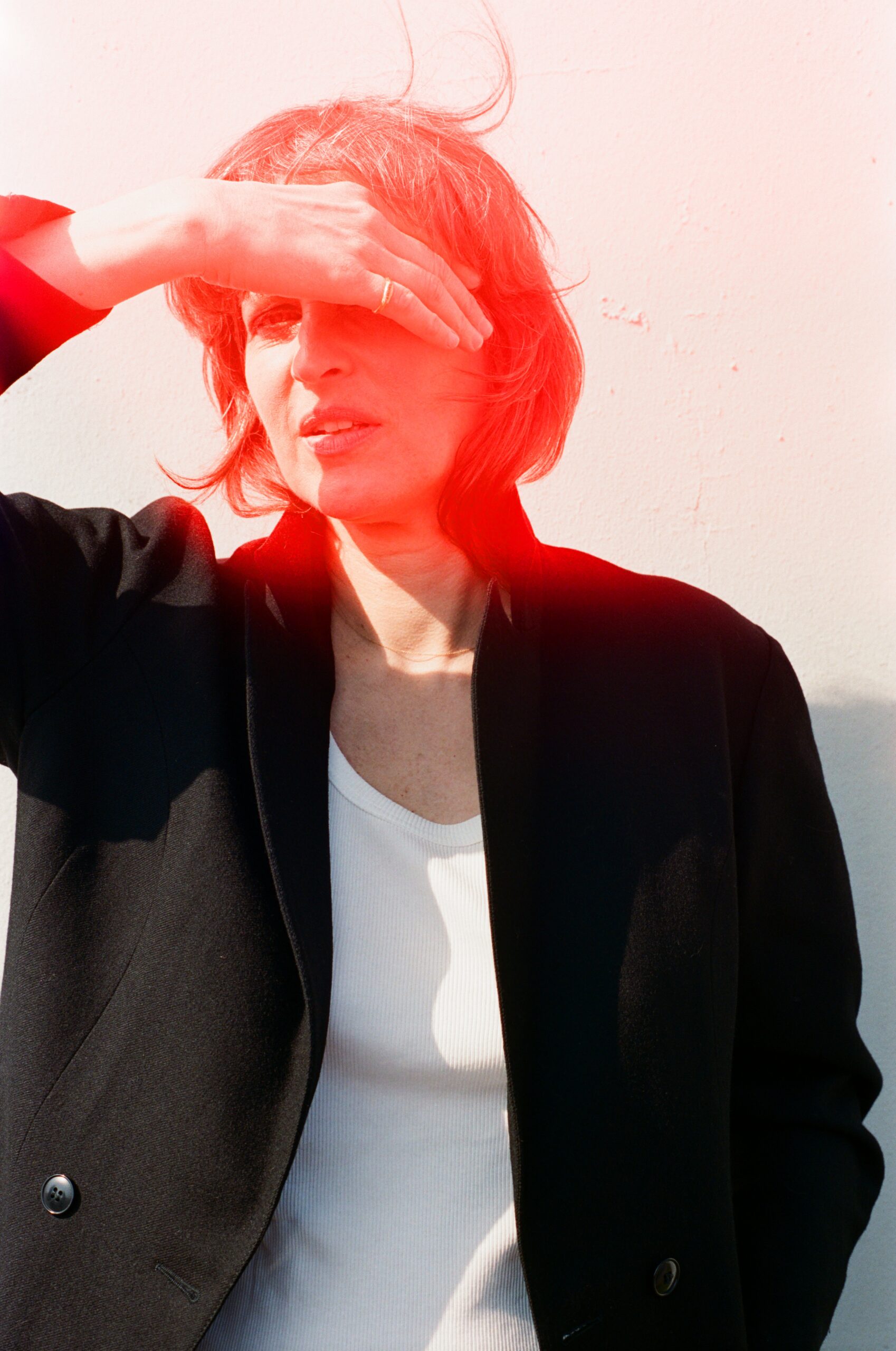
A DJ with a forward thinking approach takes a moment to remind us why the music is still the most important thing of all.
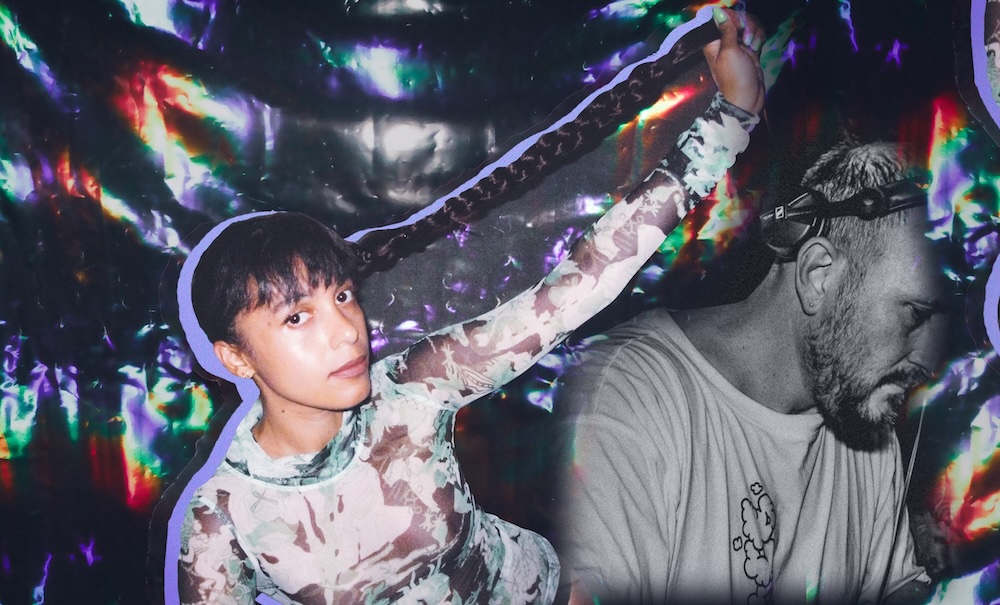
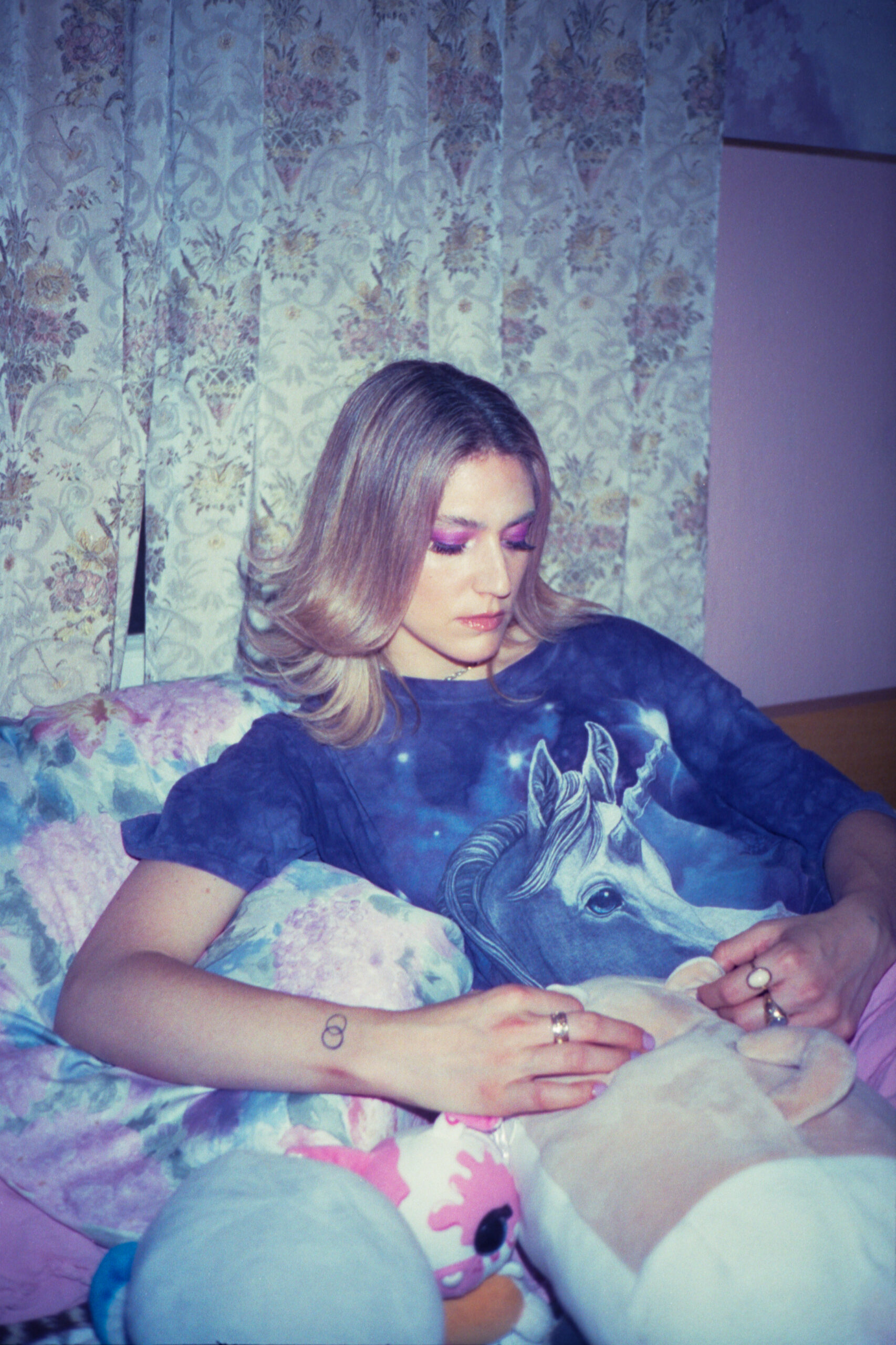
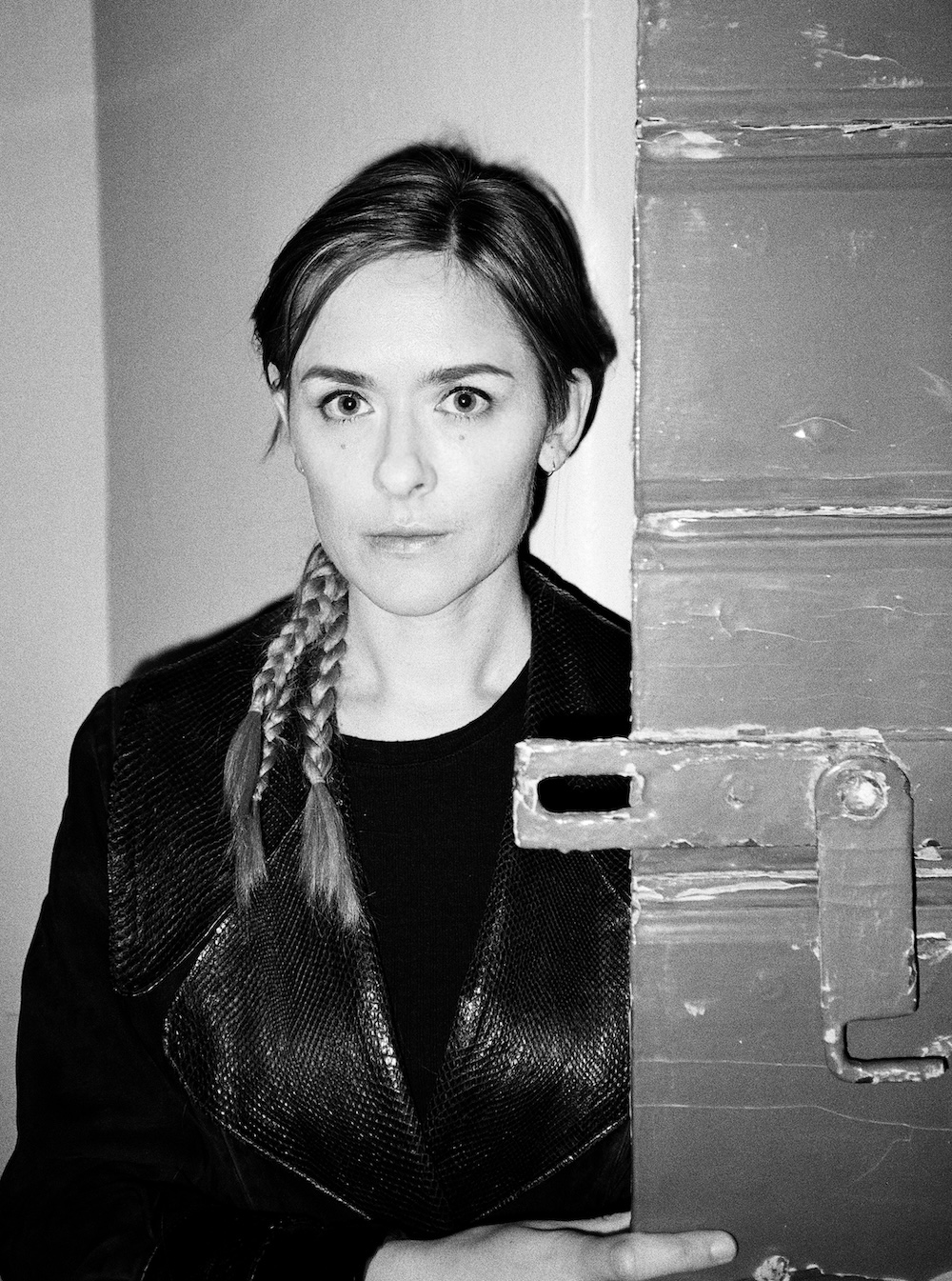
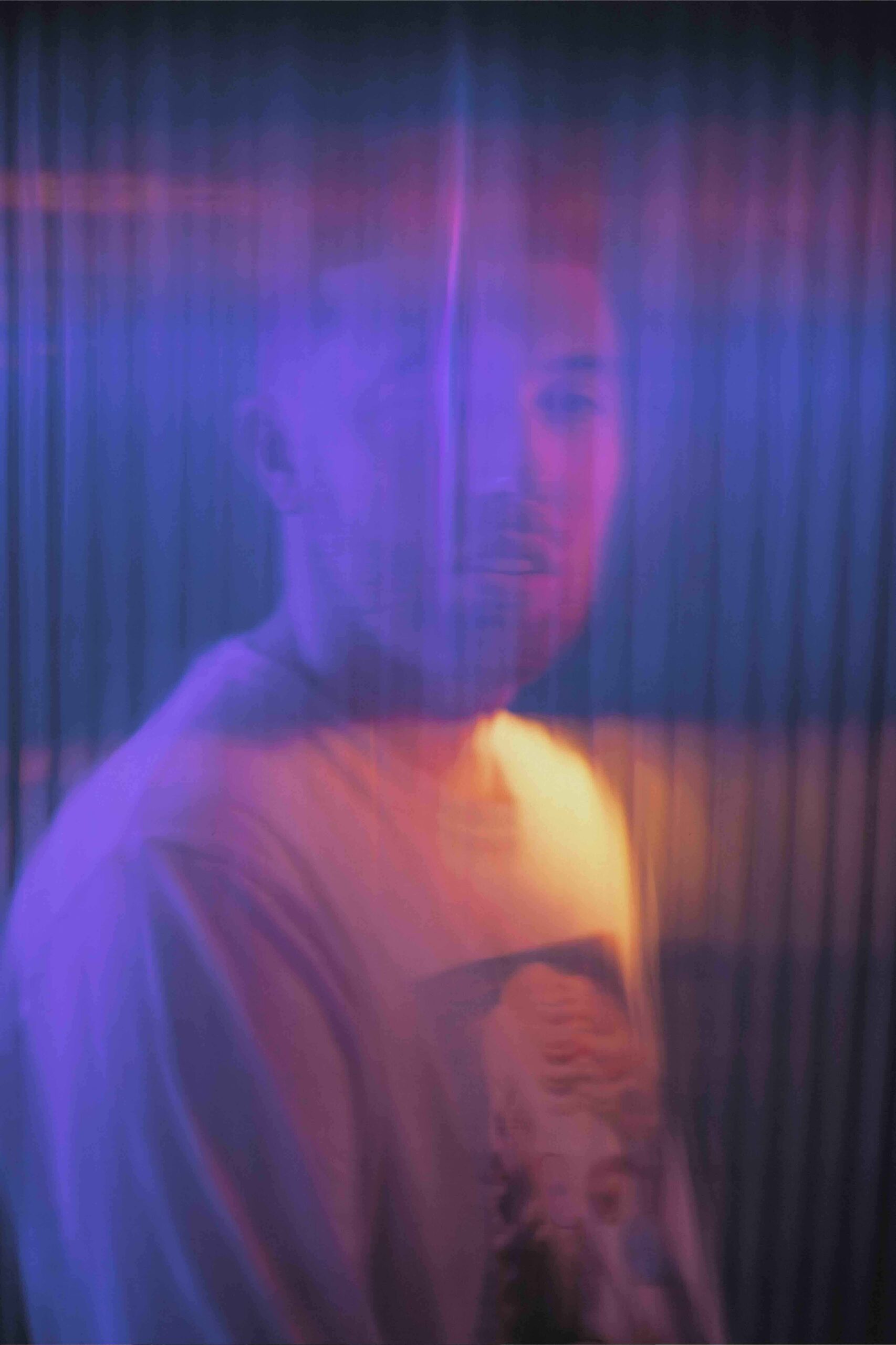
CHLOÉ is a serious DJ. She always has been and we say that with the utmost respect.
For many years CHLOÉ has been a key operator amidst electronic music, steadily releasing her own material, running record labels and pushing the underground forward.
Her own imprint Lumière Noire remains pivotal in the evolution of a darker, more rugged side of things drawing upon influences from Post Punk, House, Electroclash and beyond. Her own sets are packed of similar sounds, often weaving and wandering between the spaces which sit on the periphery of the genres, pairing the similarities from each.
Over the years CHLOÉ has performed at just about every trendy ‘nightclub’ out there. But that’s never really been the point. For her it always has been and always will be about the music, the scenes which surround it are simply the accessory to the crime.
Listen and read the interview below:
Looking back, what originally drew you to DJing, and what has kept you inspired over the years?
What has kept me inspired is that DJing is never completely fixed. Music keeps changing, and so do I. The way I listen changes, and the relationship with the room changes every time, because it’s always about one specific moment. I’m still really into digging for music and finding unexpected connections between tracks. And there is always that moment when something happens between you and the room that you couldn’t have planned.
Lumiere Noire is your label, one that has become affiliated with taking creative risks, and championing the ‘off centre’ electronic music. What philosophy guided the music you chose to release?
Lumière Noire was never really about defining a particular sound. I wanted it to be a way to release music I felt in love. I’ve always been attracted to music slightly strange, singular, sometimes difficult to categorize. For me, a label becomes interesting when you can recognize its sensibility without necessarily knowing what the next record is going to sound like.
How much of a set is planned versus responding instinctively to the room?
Very little is completely planned. I spend time finding music and thinking about possible directions, but once I start playing, the room takes over. For me, DJing is about being extremely present, you listen and react. Sometimes you arrive with an idea of where you want to go, and you slowly realize that the night is taking you somewhere completely different. That’s what I like about it. With longer sets especially, I like having the time to take unexpected turns. If everything were decided beforehand, I think I would lose what I love about DJing.
Electronic music has become more mainstream than ever. What have we gained, and what have we lost?
Electronic music is no longer confined to a small number of clubs or scenes, and that has created opportunities for many artists who perhaps wouldn’t have had them before. But when something becomes bigger, there is always a danger that it becomes more standardized. There can be pressure for everything to be immediately understandable, the track, the image, the moment.
I’ve always believed in keeping a bit of mystery around club culture. I think preserving spaces where experimentation, failure and the unexpected are still possible is very important.
What’s a misconception people often have about you or your music?
Maybe that because I’ve been associated with a certain club sound, people think they know what my music is going to be.
I’ve always been interested in moving between different territories. DJing is one part of what I do, but producing music for cinema, working with contemporary dance, or making more abstract music are equally important to me. I don’t really see these things as separate worlds. They all feed each other. I’m probably more interested in contrast than in having one clearly identifiable sound.
What’s your perspective on AI in music production and DJ culture? Where do you see it becoming useful, and where should artists be cautious?
I see AI as a tool, and like any new tool it can be interesting depending on what you do with it. There are probably many practical areas where it can be useful like searching, organizing, editing, or helping with technical processes that can sometimes interrupt the creative flow.
But I’m not interested really in tools replacing the decisions that actually define an artist. For me, making music is also about accidents, limitations, and bad decisions that suddenly become interesting. The same applies to DJing. Technology can help access and organize a certain amount of music but experimenting and intuition are more personal.
What are you looking forward to?
I’ve finally produced a new album, which is kind of a double LP for Lumière Noire, It’s a very personal project that I’ve wanted to make for a long time in the middle of my gigs and other projects. I’m continuing my work with contemporary dance. I’m working with Mazelfreten and the Ballet de Lorraine later this year. Also, we will have also some new music on the label, the next various artists EP, Flash Vol.3 is coming very soon on the 21st September, with some special tracks from artists I admire.



Must Reads
David Holmes – Humanity As An Act Of Resistance in three chapters
As a nation, the Irish have always had a profound relationship with the people of Palestine
Rotterdam – A City which Bounces Back
The Dutch city is in a state of constant revival
Going Remote.
Home swapping as a lifestyle choice
Trending track
Vels d’Èter
Glass Isle
Shop NowDreaming
Timothy Clerkin
Shop Now