Track By Track: Işık Kural – Motorcycles and Cherry Wind
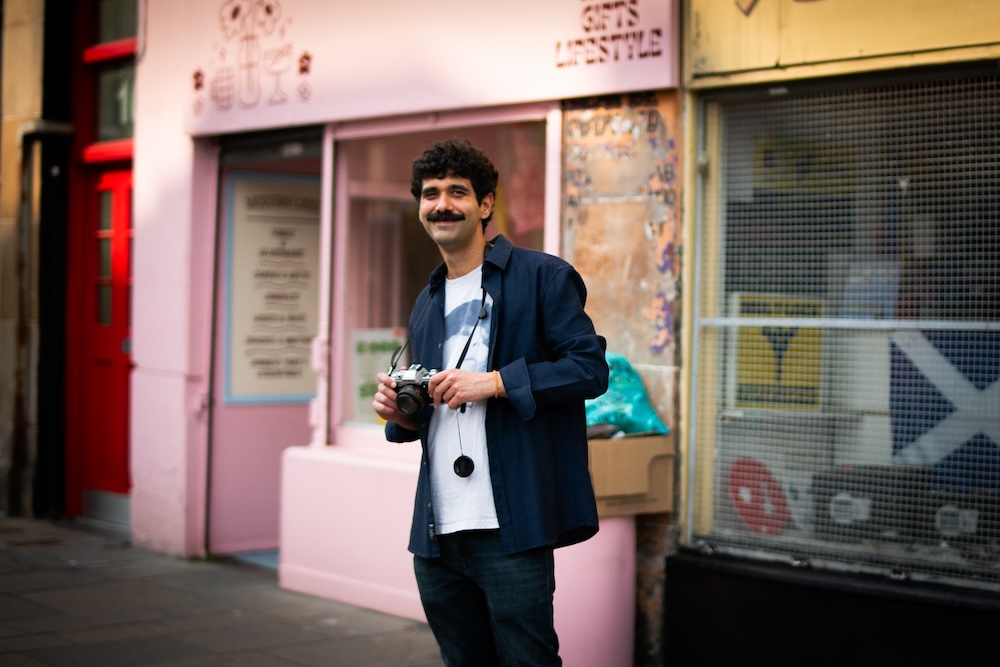
A dolmuş fare from Istanbul, a found cassette from Tarsus, and the nymphs of the Xanthos River
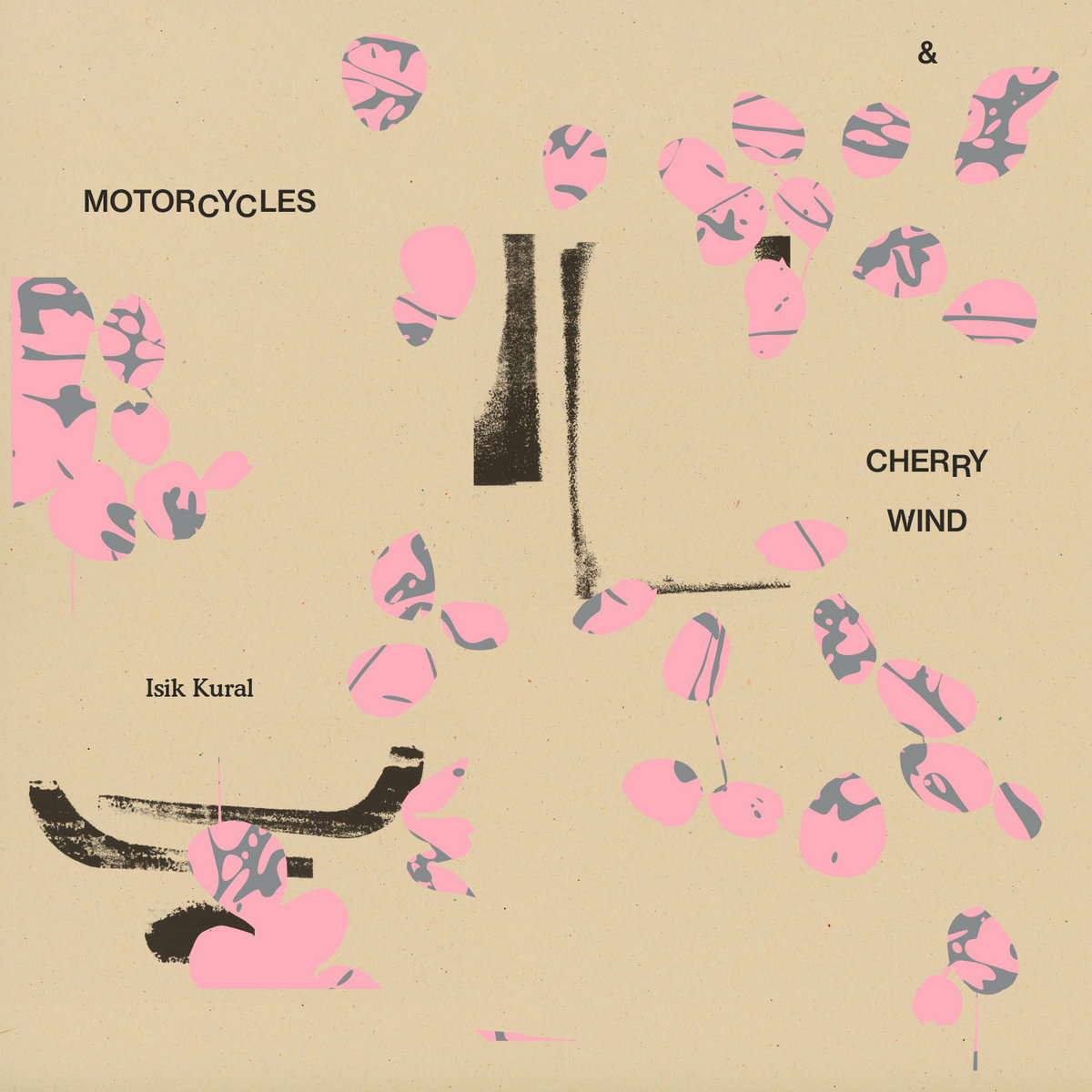
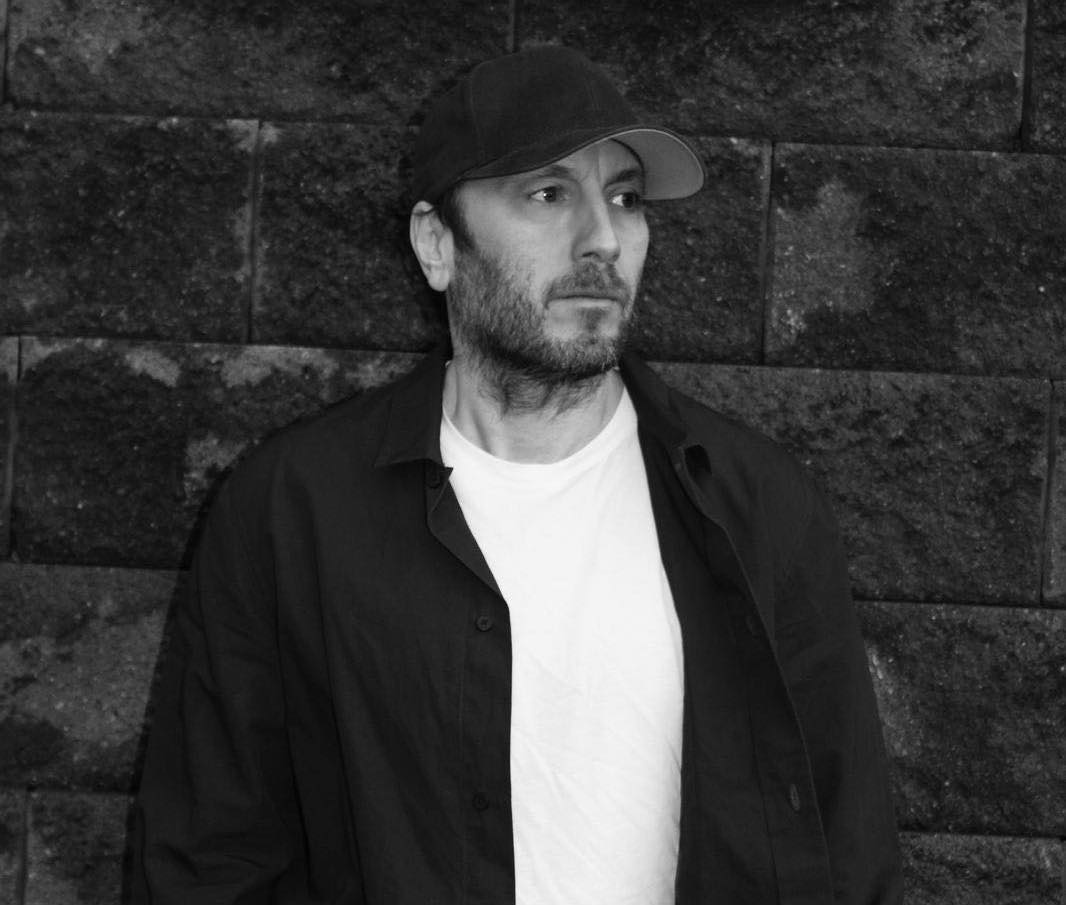
Işık Kural grew up in Caddebostan, Istanbul, playing nylon-string guitar and writing lyrics out of overheard phrases and conversations. He studied music at the University of Miami, then kept moving: Helsinki, Glasgow, where he now lives, and the ancient landscapes of Turkey and Greece that run through this record. ‘Motorcycles and Cherry Wind’ takes its title and its spirit from a 2022 trip to Marrakech, where Kural found himself drawn less to documenting the city than to the feelings tangled up in its sound. The album works the same way: not a single clear memory, but the whole sensory weight of a place arriving at once.
What he’s built from that is a kind of private archive. A field recording from a dolmuş in Istanbul sits next to the afterglow of swimming off ancient Lycia and birdsong recorded at Bridge of Allan, all sorted through slowly and woven into arrangements of piano, guitar, woodwind, and scored strings. Nine musicians pass through the record, from Brazil, Argentina, Italy, North Macedonia, Spain, England, Germany and Istanbul, alongside Kural’s own voice. Below, he talks us through where each of the twelve tracks actually came from.

01. OLIVES
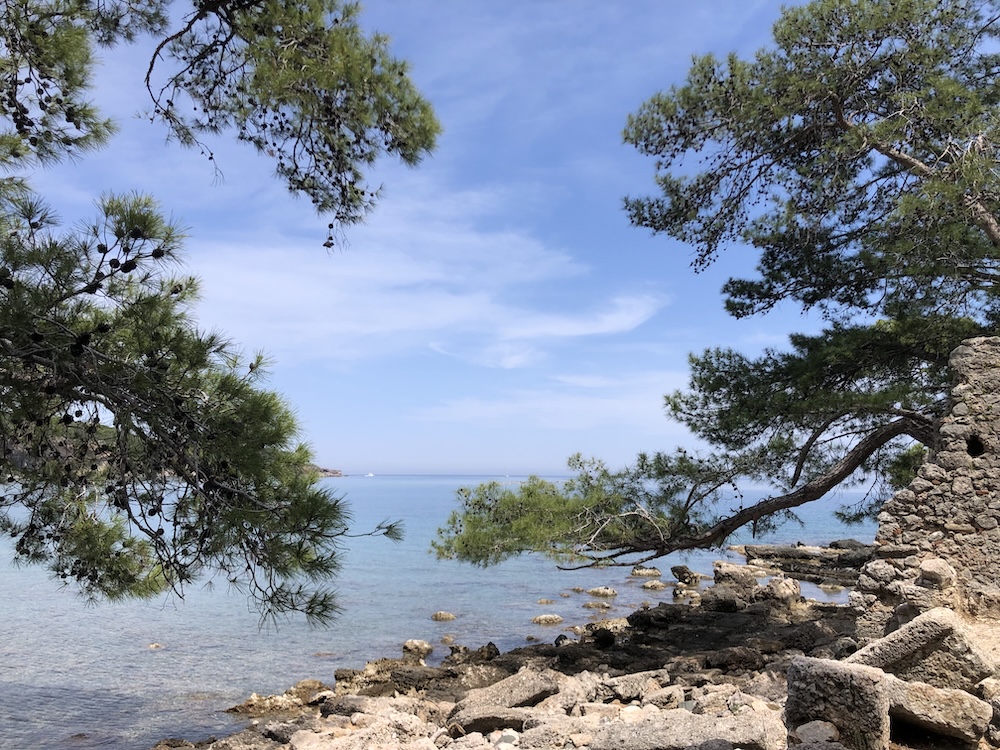
Patara has an endless sandy beach in which you can go for a swim after visiting the ancient city.
02. İKİ KADIKÖY
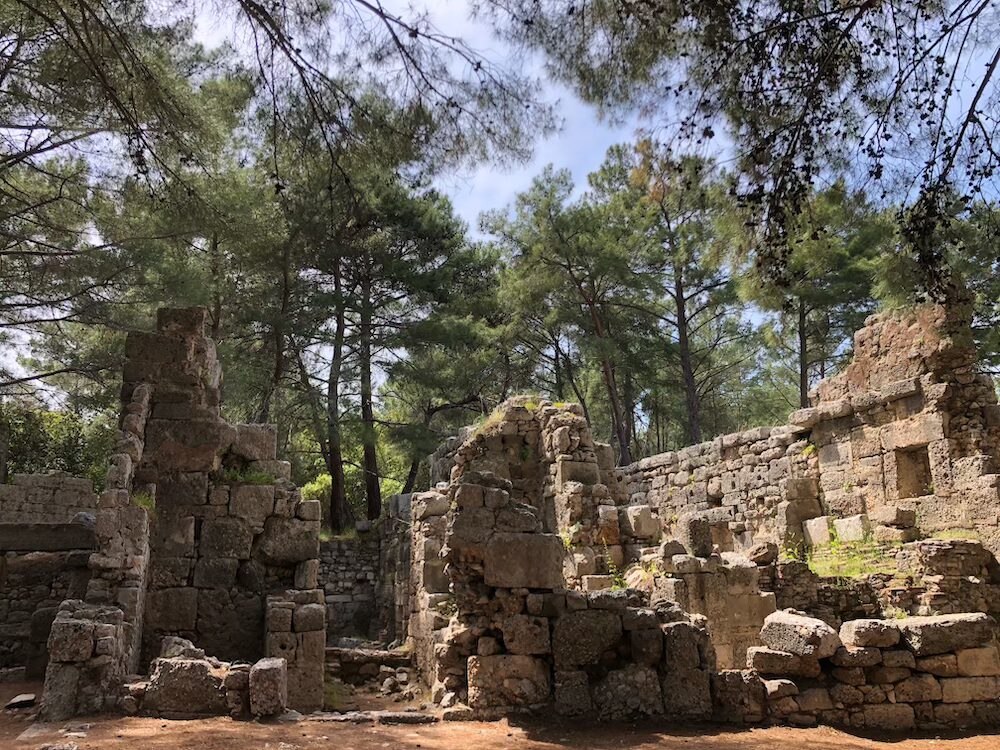
Field recording from a dolmuş (a small bus) in Istanbul, going from Caddebostan to Kadıköy, circa January 2023. Caddebostan is the neighbourhood I grew up in. I used to take the dolmuş to go to my high school; during that time the trip from Caddebostan to Kadıköy was around 2 lira. In the recording it is 10 lira, and these days it is around 60 lira. The conversation in the recording is a discussion, or miscommunication, about the price of the fare. Turkey currently has the second-highest inflation rate of major global economies. The flute synth throughout the song is thinking about Ernest Hood.
03. MOTORCYCLES AND CHERRY WIND
I can still hear the motorcycles.
04. MANY ONLY MANOLYAS
Golden chickpeas are from Sappho fragment 143, and I realised the title kind of sounds like Sappho fragment 146: Μήτ’ ἔμοι μέλι μήτε μέλισσα – “mete moi meli mete melissa afterwards”.
05. ALTINOLUK
Altınoluk is a seaside town in Turkey where my grandmother used to have a summer house.
06. A SINGLE BEE ON A MEADOW
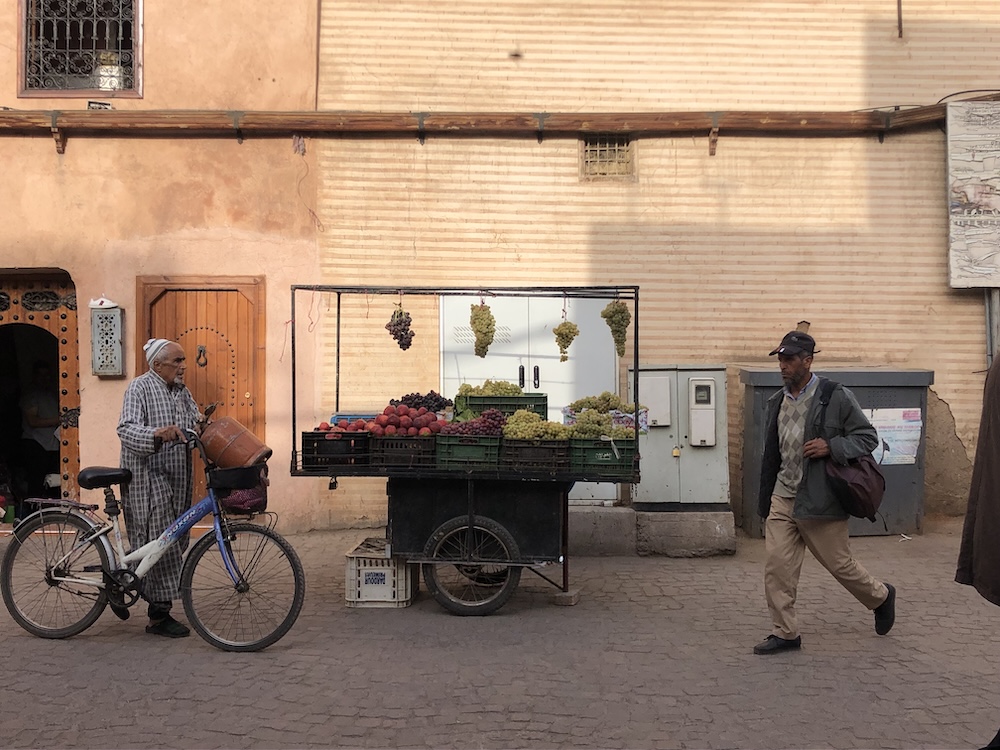
Title from Euripides. Field recording of sheep bells from Hattusa, the Hittite capital. Field recording of the bee is from Amasya, recorded around the time I was recording vocals for ‘Moon in Gemini’.
07. VANILLA CUSTARD
Field recording from the Hungarian Pastry Shop in Upper West Side, New York, around 2016. Guitar, piano and the shakers recorded around that time as well. I reworked and reimagined it with synthesisers.
08. WINTER SUN
Two people running together in a city during wintertime.
09. AND A PETALED SIDE OF A ROAD
The main melody field recording is from a cassette my sister and I found in a cupboard in a holiday home in Tarsus, Turkey, during a family trip. The cassette had no title on it. The motorcycle field recordings are from Marrakesh, Morocco, and Valencia, Spain. The birds at the end are from Bridge of Allan, Scotland.
10. UNDER THE CANOPY
A wet day in Glasgow. First scene, inside Glasgow Central Station. Second scene, the train has left the station. The storm sounds are Storm Éowyn, 2025.
11. ELIYANA
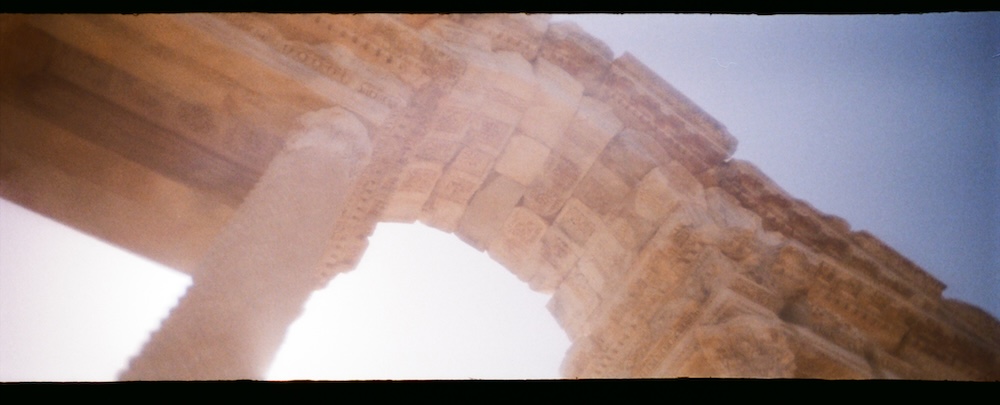
Eliyana are the nymphs from Lycia mentioned in the Letoon trilingual inscription, and possibly portrayed in the Nereid Monument from Xanthos. Eliyana was an important part of Lycian culture and religion; they were thought to roam the Xanthos River, on whose coast sat major Lycian cities such as Xanthos, Letoon and Patara. I wanted the track to be a ritual, or a funeral, that Eliyana took part in. Although not much is known about their exact function, most rivers and their deities in Anatolia were linked with death, birth and the underworld. The river field recording is from Olympos, another nearby Lycian city.
12. ELIYANA VE SONRA AY
Originally a song I wrote around 2013 in Miami, re-recorded here with different lyrics. The song again takes place in Patara, where the River Xanthos meets the Mediterranean, this time in ancient times. I tried to imagine a Lycian folk song, with imagery and titles drawn from its era: “Eliyana”, the nymphs of the Xanthos River; “Melite Krene”, believed to be the river’s main spring; and “Siyanti”, the old Hittite name for the Xanthos. It also references the dream oracles and fish oracles of Lycia discussed in Annick Payne’s article “Lycia – Crossroads of Hittite and Greek Traditions?”. The dream oracle is attested in the writing of Herodotus, and the fish oracles are mentioned by Pliny the Elder and Plutarch.













Must Reads
David Holmes – Humanity As An Act Of Resistance in three chapters
As a nation, the Irish have always had a profound relationship with the people of Palestine
Rotterdam – A City which Bounces Back
The Dutch city is in a state of constant revival
Going Remote.
Home swapping as a lifestyle choice
Trending track
Vels d’Èter
Glass Isle
Shop NowDreaming
Timothy Clerkin
Shop Now