Review: Beverley Glenn-Copeland at The Rectory, Lisbon
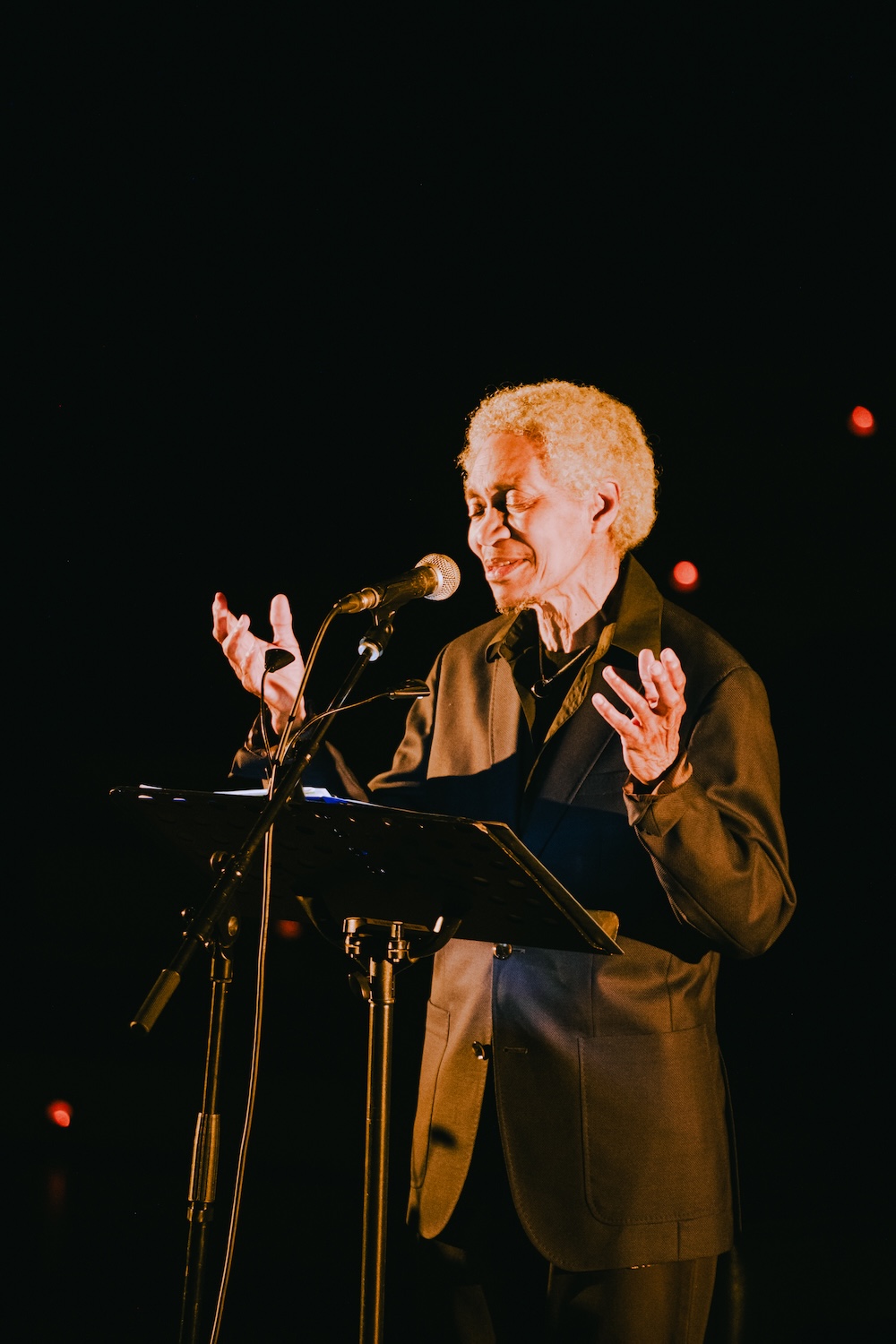
I can’t be entirely certain, but I have a strong feeling that you either completely love the music of Beverly Glenn-Copeland, or you simply haven’t been introduced to it yet. There is no real middle ground, or room for casual indifference.
The Architecture of Grace: Beverly Glenn-Copeland Live in Lisbon
The Refectory, Lisbon
Date: June 9th, 2026
For me, the introduction arrived during the quiet and quite bizarre haze of the first pandemic lockdown. Like many who were drifting through those surreal months, I had become a loyal, almost desperate disciple of Charlie Bones’ Do!! You!!! Breakfast Show – not just a daily broadcast but a key punctation of human interaction that felt less like radio and more like clinging to an emotional life raft.

One morning, the opening keys of Sunset Village drifted through the speakers. The smooth, honeyed concoction of sound, something quite simple in many ways, infused its way like osmosis straight through any defences I had left. I remember it brought a real stillness, like a blanket of contentment and calm. Then came the vocals. There’s an ancient, resonant gravity to Glenn’s voice, a timber that feels less like it’s being sung and more like it’s being unspooled from the centre of the earth. He’s said himself that he doesn’t map out these melodies, that the music is simply sent to him – he acts as a vessel or transmitter for something much larger than himself. And when it reaches you via him, it doesn’t just grab your attention; it firmly holds your hand.
On the 9th of June, that same feeling of gentle rescue was resurrected in Lisbon.
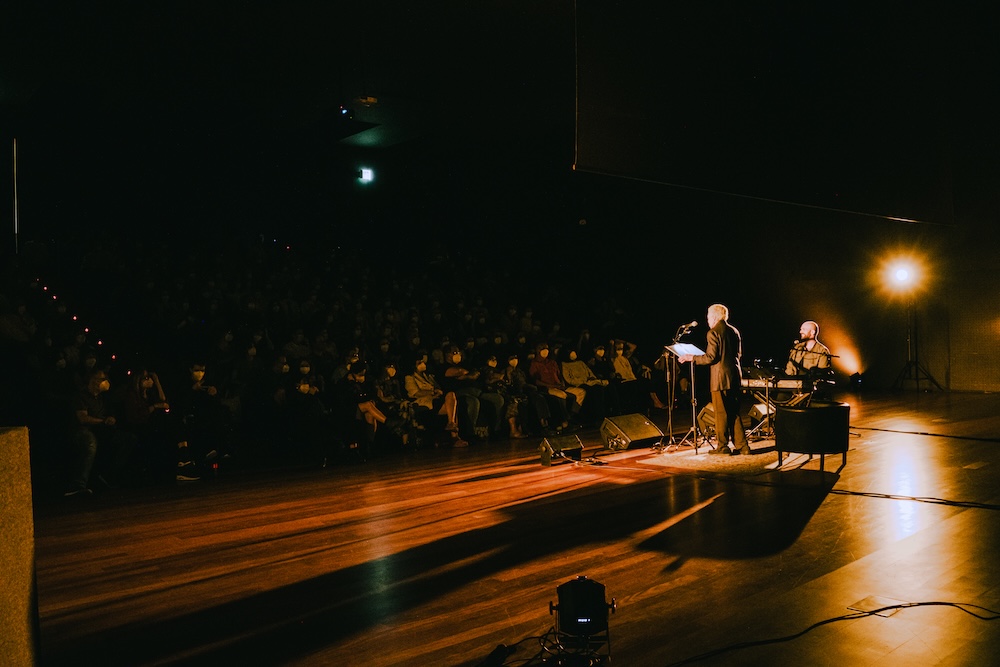
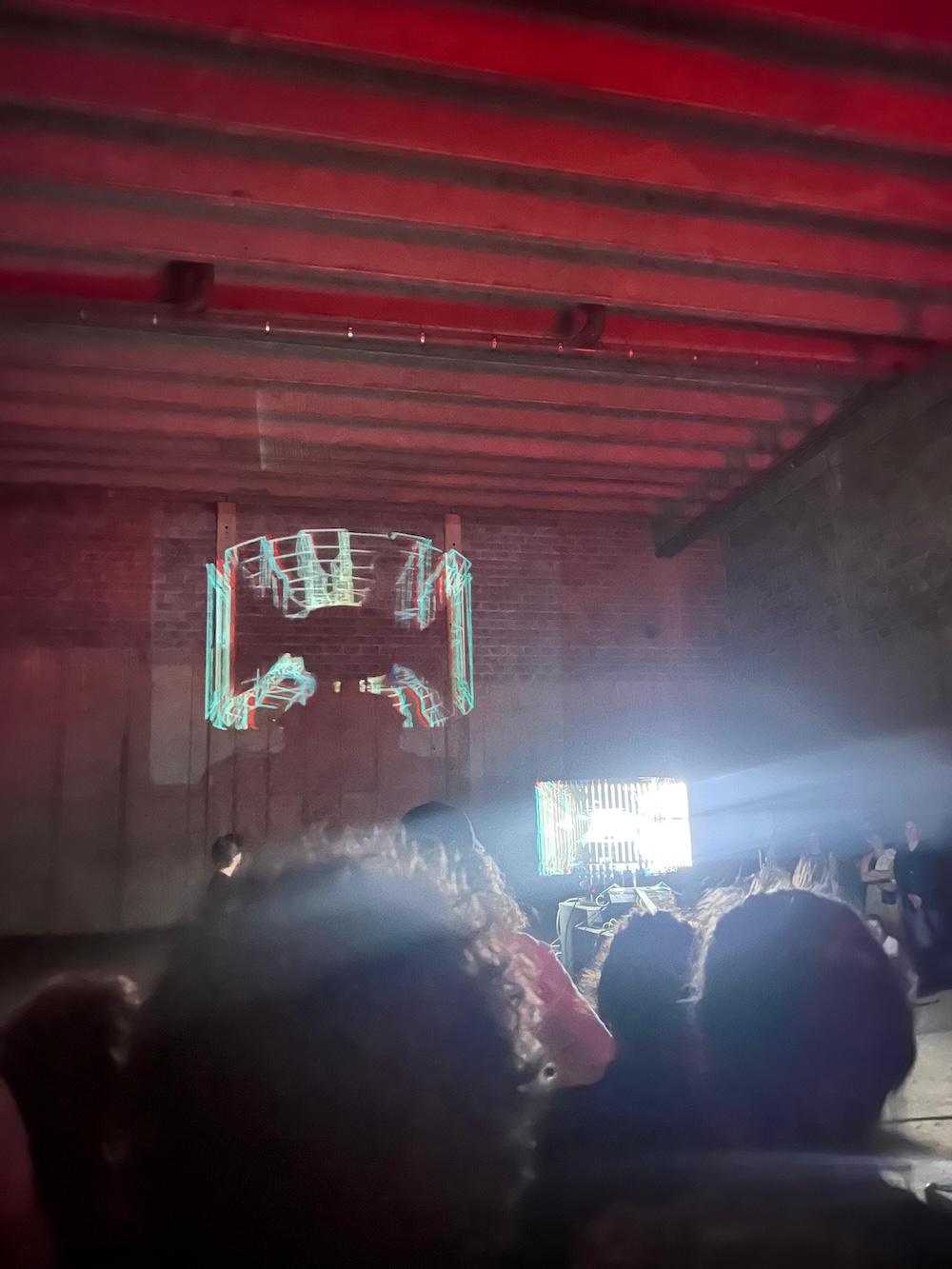
This was my second time inside the stark architecture of the Rectory’s auditorium, and I’m actually growing pretty fond of it now. On arrival, it’s very earnest. It’s an exposed, somewhat unforgiving venue for an artist; quite blank, with high walls and open acoustics. There’s no elaborate stage set-up or heavy lighting rigs to hide behind, so it’s really completely on the performers to fill the void.
Ushered out by his performance partner, Alex Samaras, Glenn took to the stage, and the emptiness of the room vanished.
The set begins with a triptych of foundational beauty: “Ever New,” “Lakeland Angel,” and “Let Us Dance.” But the emotional axis of the evening spun on “Laughter in Summer.” Performed purely as a vocal piece without his wife, Elizabeth, present, her absence hung tangibly in the air. Yet, rather than diminishing the performance, it turned the song into the most incredible, raw rendition of the night. With Samaras anchoring the gorgeous piano arrangements and lifting the vocal harmonies alongside him, it felt like pure, unfiltered human emotion being expressed solely through sound. And yes, I absolutely did cry.
That vulnerability of it all deepened during “Love Takes All.” To call it moving feels almost trite; it was almost devastating in its tenderness. In a world that feels increasingly fractured, hearing Glenn sing about love actually feels like a radical, urgent necessity. By the time the upbeat rhythms of “Greedy Feet” and the traditional warmth of “Shenandoah” rolled through, the hall had transformed from a somewhat cold, blank space into something more akin to a sanctuary.
What truly elevated the evening, though, was how effortlessly Glenn blurred the line between the stage and the seats. He possesses a teaching spirit so naturally encouraging and warm that you find yourself thinking, if only this man could have been everyone’s teacher. This came to a head during a massive moment of audience participation. Standing in for the full choir that normally accompanies him on tour, the entire room was asked to sing.
I normally consider myself as absolutely not a singer. And unless I’m a few drinks into a karaoke rendition of “Shallow”, I’m the kind of person who shrinks back when a crowd is asked to join in. But under Glenn’s joyful, guiding gaze, any hesitation just evaporated. Standing there, adding my own voice to the room, I really felt like my contribution genuinely worked within this massive, collective sea of souls. It had nothing to do with a perfect pitch, but with experiencing true presence.
A beautiful interlude came in the form of “Caring Cabin,” a short film projected for the audience. Watching Glenn work with puppets, gently teaching them how to look after plants and how to practice the quiet art of staying calm, was a masterclass in the very essence of his artistry.
He possesses a teaching spirit so naturally encouraging and warm that you find yourself thinking, if only this man could have been everyone's teacher.
Moving through a pair of wordless vocal explorations, “Songs with no words, #1 and #2”, the evening began its slow, triumphant ascent. “The Impossible Dream” gave way to the soaring, spiritual heights of “In The Image” and “Into The Circle.”
By the time the closing notes of “Stand” and the dreamscape of “Prince Caspian’s Dream” echoed up into the high ceilings of the hall, the audience wasn’t just applauding a concert. Much like that morning during lockdown, we were thanking someone for reminding us how to breathe.








Must Reads
David Holmes – Humanity As An Act Of Resistance in three chapters
As a nation, the Irish have always had a profound relationship with the people of Palestine
Rotterdam – A City which Bounces Back
The Dutch city is in a state of constant revival
Going Remote.
Home swapping as a lifestyle choice
Trending track
Vels d’Èter
Glass Isle
Shop NowDreaming
Timothy Clerkin
Shop Now