Club Culture Put to the Test: CTM 2026
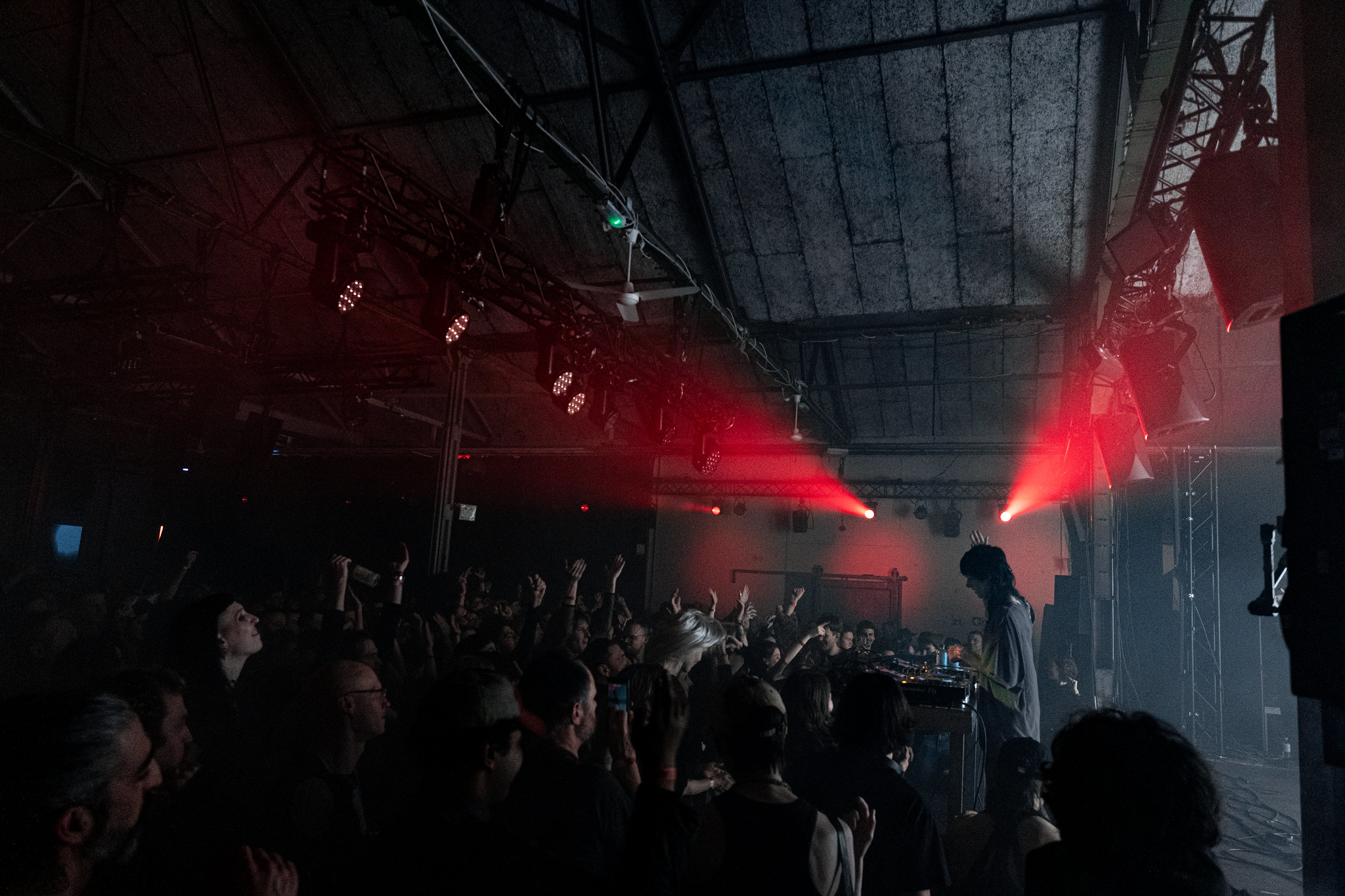
What I enjoy most about CTM is that behind the pretentious facade and edgy graphic design, it doesn’t shy away from cheesy moments or from inviting the misfits.
When I leave my cozy flat at minus eight degrees I cannot but wonder: who decides to organise a festival in January. That time of the year, Berlin is a dare more than a city, a place that seems designed to test your decision to live here at all. But when I enter the venue I remember that CTM is the way to romanticise Berlin winter: to find a faint, pulsing kind of beauty in the dark, cold, gloomy and at times unbearable.
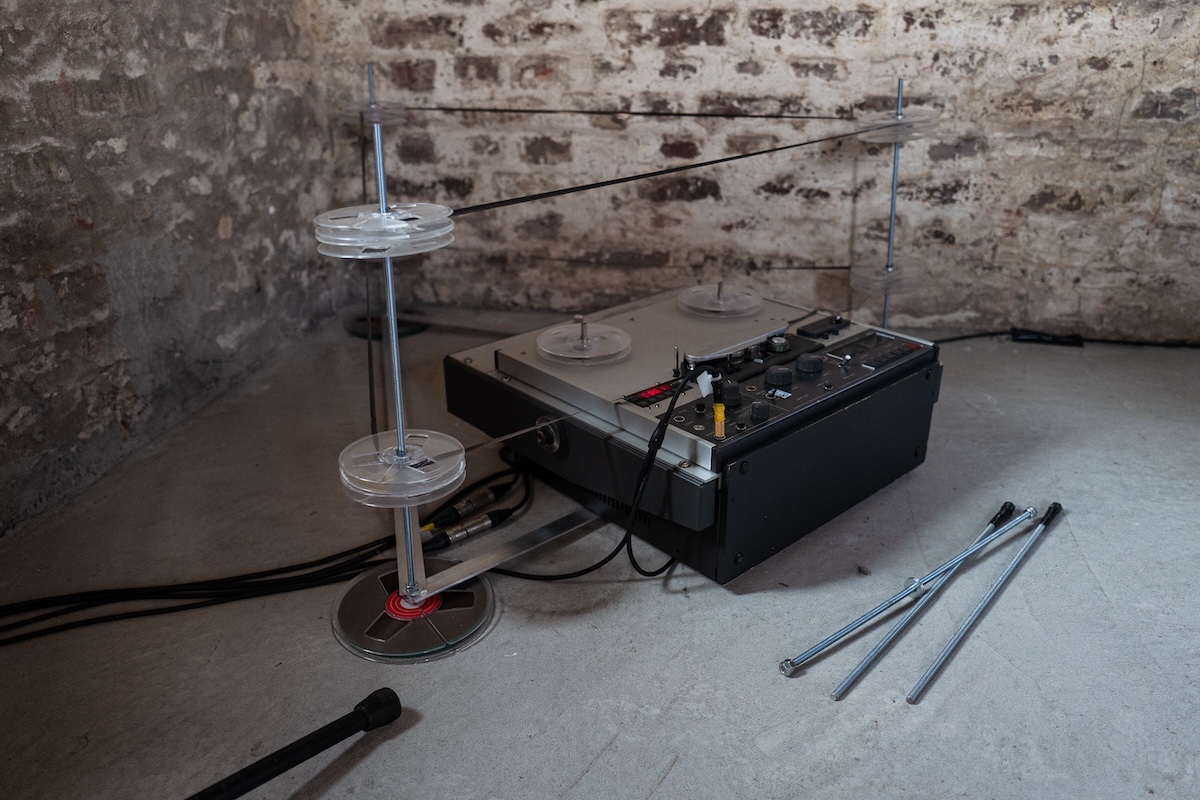
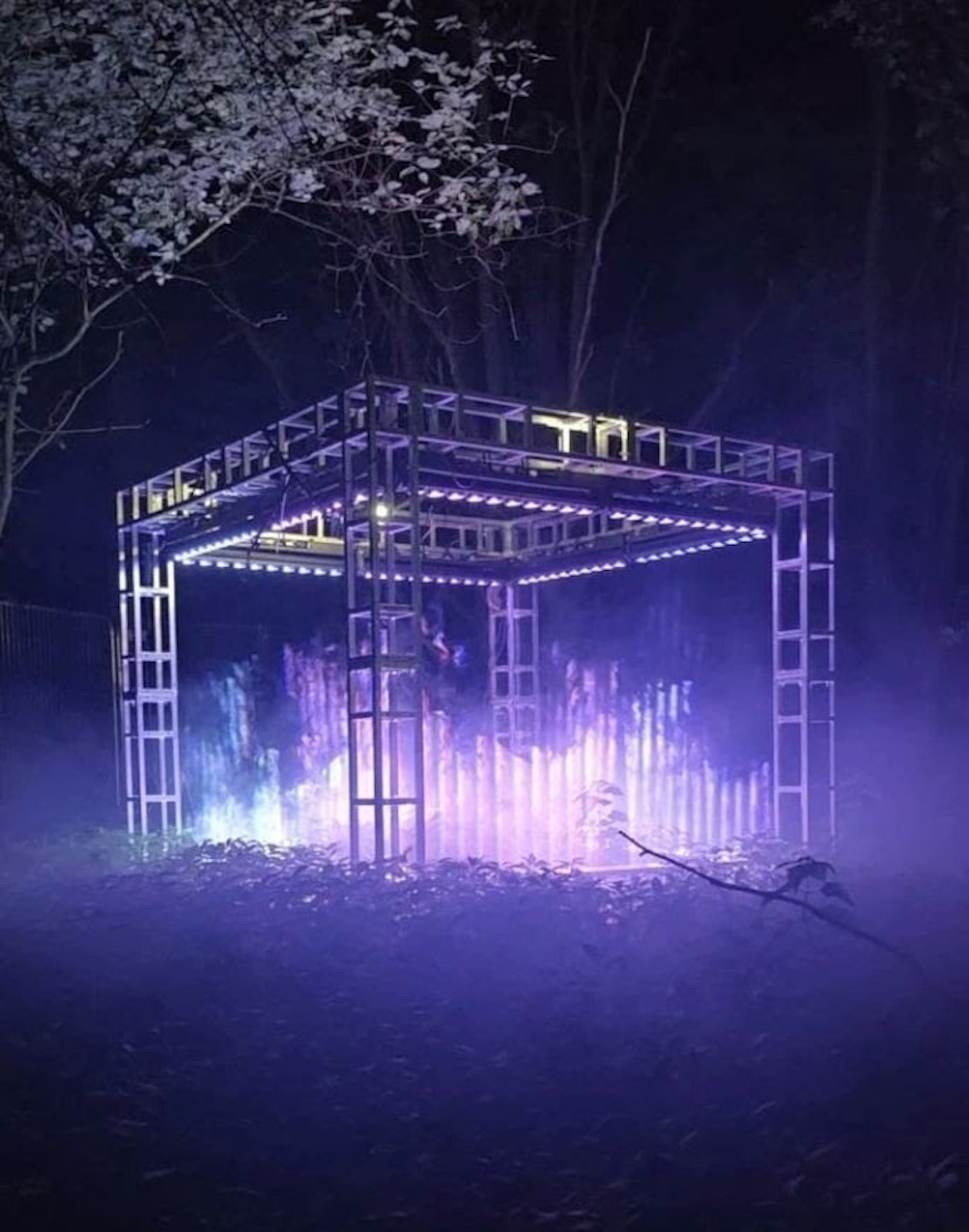
Over the stretch of ten days and twelve venues, CTM spills across the city with performances, concerts, exhibitions, talks, and, of course, the club nights that solder it all together – a good occasion to look at how the festival positions itself within, and against, contemporary club culture.
With Berghain and RSO as the main hosts for those nights, the festival nestles into some of the most Berlin‑sounding places in the city – and at the same time, challenges that very image by bringing in sounds beyond hard‑hitting techno and four‑to‑the‑floor house. As dance music has edged towards the mainstream in recent years and a warped aesthetic of club culture swamps our doomscrolls, a platform for experimental sounds and genre openness can only be healthy for a scene that still lables itself as “underground”.
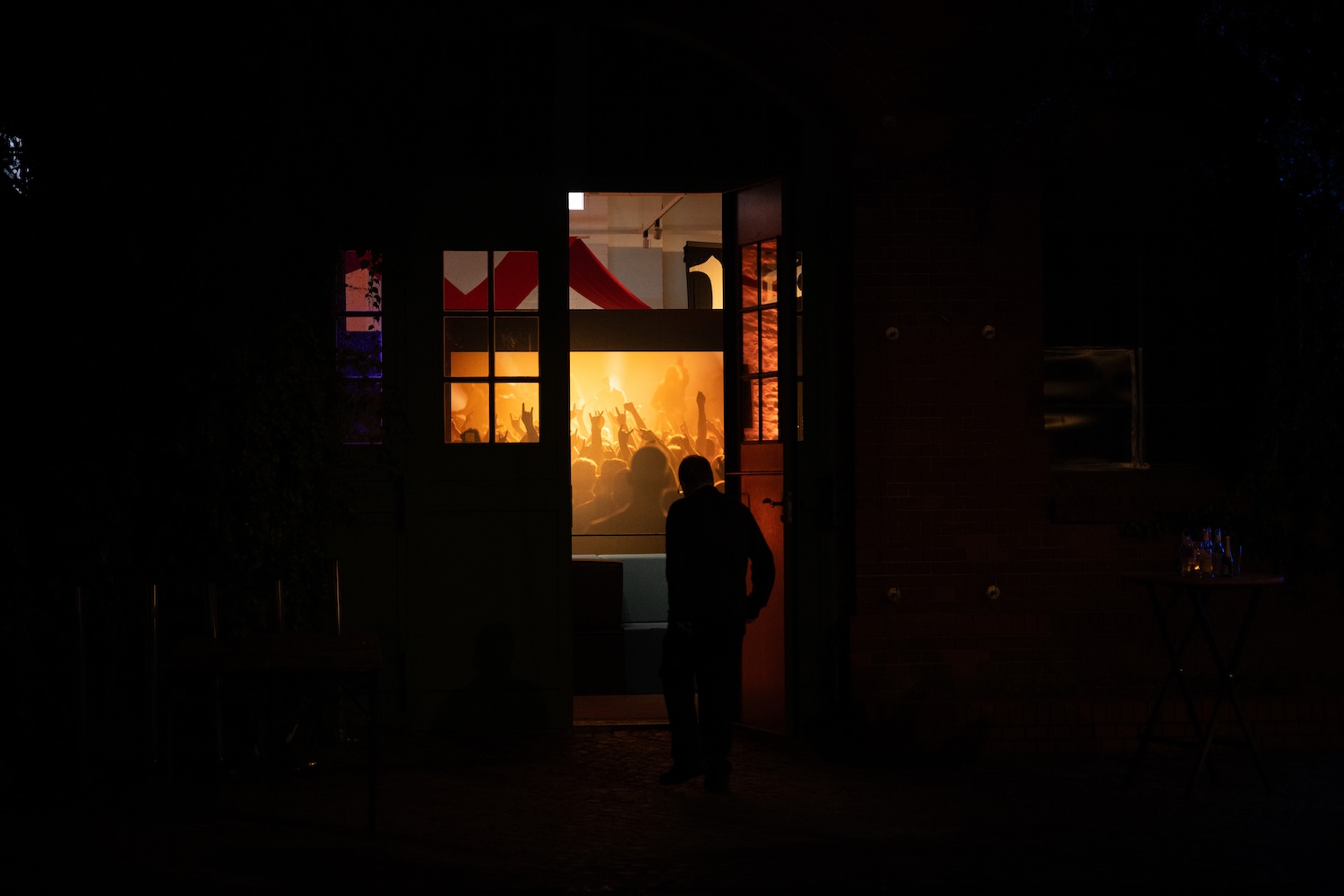
I’d like to argue I have a decent understanding of how to adapt to the aesthetics of spaces, but during CTM the rules are different, or at least scrambled. Being in my early thirties I felt both old and young, overdressed and underdressed, in and out of place – which all speaks for the wonderful gathering of people of all corners of Berlin and beyond. Surely you won’t find many other nights in Berlin that offer a Nigerian rapper on one floor and intense guttural growling on the next, nor many rooms where striped wool sweaters and sequin tops feel equally plausible dress codes. There are a million and one arguments for and against Berghain’s famously rigid door policy, but during CTM they don’t apply. Despite styling itself as a festival for “Adventurous Music & Art” and releasing yearly concept texts crammed with all the buzzwords, what I enjoy most about CTM is that behind the pretentious facade and edgy graphic design, it doesn’t shy away from cheesy moments or from inviting the misfits. It is experimental, art-heavy, and pretty nerdy about sound, but that doesn’t contradict it being warm, playful and surprisingly dance‑focused once you settle in.
It is certainly no fresh take to argue that the most interesting dance music and actors within the club scene currently – if ever – are not coming out of Europe. CTMs effort to bring in sounds from around the world seemed high already in the last years but this edition we saw an noticeable number of DJs hailing from Latin America in the club line-up – and with that a healthy dose of baile-funk, Caribbean rhythms and cumbia. The Mexican collective Terminal took over RSO’s SUMME floor for one evening, bringing on acts such as raptor house pioneer DJ Babatr or Ruiseñor, putting salsa, reggaetón in dialogue with techno and bass. Another night we saw Guedra Guedra at Panoarma Bar. The Moroccan DJ stitches together dynamic layers of sound, gathering textures and samples from across the African continent: distant chanting sliding into hand percussion, field recordings folding into rippling synths. Layered rhythms occasionally left the German hips a bit confused. Followed by Valesuchi – my personal festival highlight. The Chilean DJ and producer, now based in Brazil, has long circled “must‑watch” lists in Latin America. Her set moved through experimental electronics into dense, percussive passages, then back again, always with a captivating narrative arc. Rather than locking into one groove and riding it for safety, she worked with precise, purposeful flow, tracing a line that made sense emotionally.
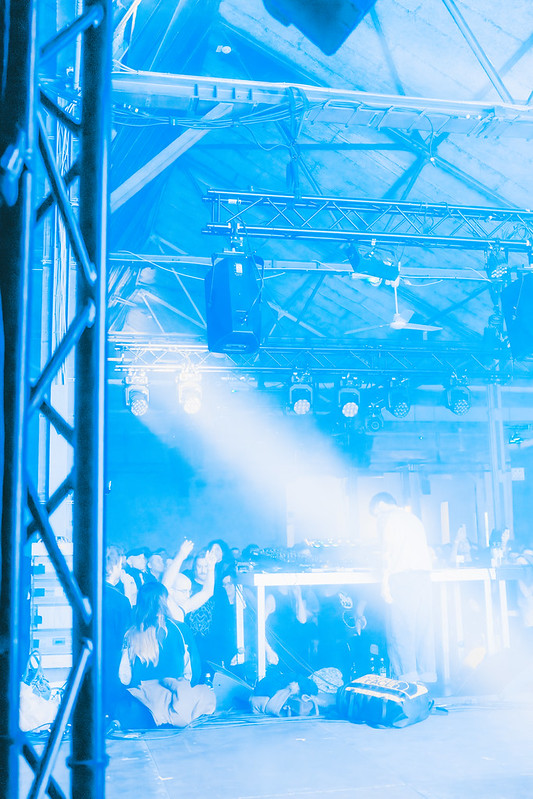
There is a lot more that could be written about CTM, from the opening concert by Earth for the middle‑aged stoner to zone out to Stefanie Egedy’s “Sonic Energetics”, the gong bath version of the Berlin underground. By the end of the festival, the days blur into a sequence of journeys: sliding down frozen pavements, fumbling for gloves, squinting at transport apps, and then stepping into yet another room humming with some new strain of noise. With thick layers of ice covering the streets, simply getting to the venue was often the biggest challenge, closely followed by enduring the sounds and textures inside. But that, ultimately, is the point of CTM. Some moments, you fall completely in tune with the sound. Others, you find nothing at all — except the awareness that a hundred strangers around you are also trying to make sense of the noise. And that might be the festival’s quietest triumph: it makes Berlin’s bleakest month feel, if not exactly warm, then at least worth staying awake for.







Must Reads
David Holmes – Humanity As An Act Of Resistance in three chapters
As a nation, the Irish have always had a profound relationship with the people of Palestine
Rotterdam – A City which Bounces Back
The Dutch city is in a state of constant revival
Going Remote.
Home swapping as a lifestyle choice
Trending track
Vels d’Èter
Glass Isle
Shop NowDreaming
Timothy Clerkin
Shop Now