10 Years of Sprechen: Three Perspectives

As Sprechen marks its tenth anniversary in 2025, the Manchester-based label has built a catalogue that spans club electronics and listening music. Founded by Chris Massey, the label draws influence from Kompakt, Warp, and Mute in its approach to the electronic.
Over the past decade, Sprechen has moved from its early dancefloor-focused releases to embrace a broader range of electronic music whilst maintaining a coherent aesthetic. The label has found its place releasing music that connects club culture with more expansive sounds.
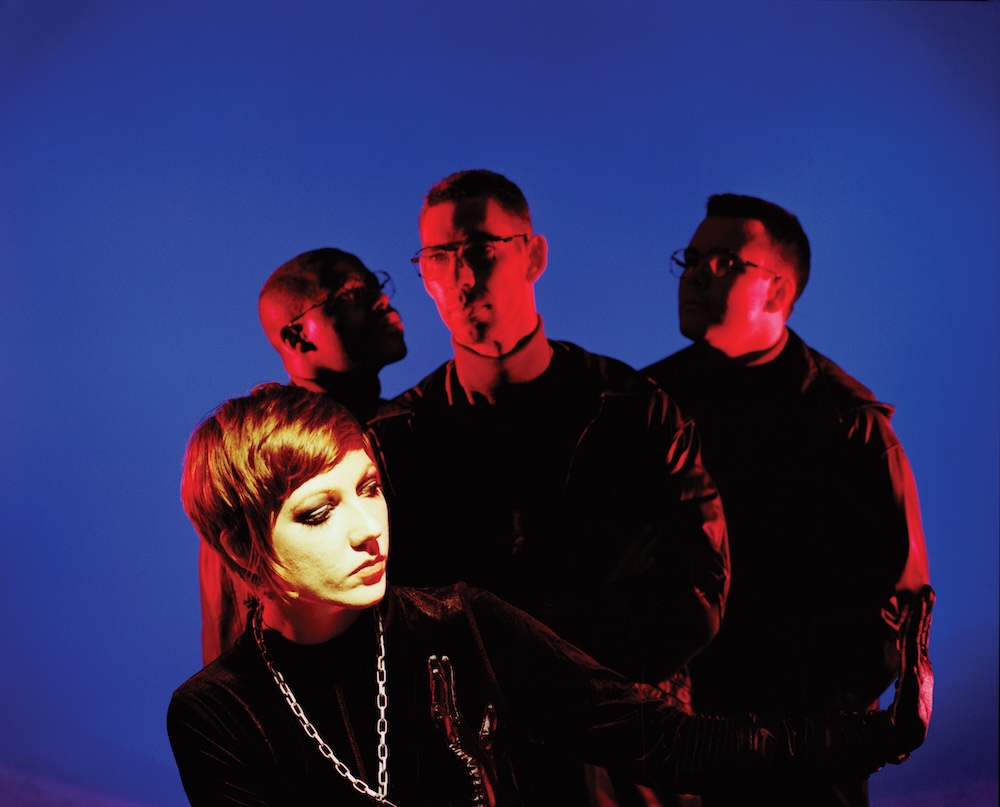
To mark this milestone, we spoke with three figures connected to the label and all who are present on the 10 years of Sprechen compilation release ‘Ein Null’: A Certain Ratio’s Martin Moscrop whose band has shaped Manchester music for over forty years; Léna C., a Manchester-based selector; and label founder Chris Massey, reflecting on a decade of releases and future plans.

A Certain Ratio – Martin Moscrop interviewed by Léna C.
A Certain Ratio were outliers in the post-punk scene – blending Afrobeat, funk, jazz, and Brazilian influences at a time when most bands were still leaning into guitar-driven minimalism. What inspired you to go in that direction so early on?
In our early period we were a four-piece, without drums, and we were very industrial sounding. We really wanted a funk drummer because we were listening to stuff like James Brown, Parliament, Funkadelic… so Tony Wilson went out and he found Donald. Donald added a whole new dimension to the band and we would just jam and write loads of tunes really quickly. Another reason for our diverse sound was the record shop, Yanks, in Manchester. It was called Yanks because it imported American cutouts which are basically deleted records from the States with a little bit cut out of the sleeve and they would sell at 49p, 79p, 99p so we would buy loads of jazz, Brazilian music like Airto, Flora Purim and Hermeto plus African music like Fela Kuti. I would buy all the John Coltrane albums which were available and then notice that the drummer was Elvin Jones and then buy all of his albums and then all of McCoy Tyner’s records and it would snowball from there. All these cheap, affordable records helped to inspire us and shape our sound.
Factory Records is often romanticised for its role in shaping a particular era of Manchester music, but ACR were always the ones pushing the edges. What do you remember about those early days on Factory and did you ever feel like outsiders within that scene?
We did a lot of gigs with other Factory acts in the early days as a Factory package. We did feel different and we tried very hard not to sound like anyone else. We were really arrogant and didn’t like many other UK artists as much as we liked the stuff we were listening to from the rest of the world. We did however like bands that were pushing boundaries like Cabaret Voltaire, Throbbing Gristle, The Pop Group but none of them were on Factory. Factory Records didn’t have one style of music like most labels and it was very diverse musically but we did feel a little like outsiders even on Factory.
“We used to play to annoy people but now people don’t get annoyed anymore. We were trying to annoy people into thinking about other things, instead of just accepting the same old things.”
ACR Interview with Paul Morley, NME 1980
Your influence spans far and wide – The Beastie Boys, Andrew Weatherall, Gilles Peterson, myself! When did you start to notice that what you were doing was having that kind of reach?
Andrew Weatherall released an album in 2000 called “9 O’Clock Drop” which was a collection of songs that had shaped and influenced him. The compilation included a song of ours from 1982 called “Waterline.” People started getting into ACR again and at about this time post-punk started getting popular again in an underground way.
I was asked to DJ in New York in 2002 and there was a punk funk thing happening there with bands like LCD Soundsystem and Radio 4. The party I played at was well attended and I didn’t realise that there were so many young people in New York who had discovered ACR. LCD Soundsystem’s first single, “Losing My Edge,” was inspired by an ACR song called “Do the Du.”
Around the same time the label Soul Jazz had approached us because they wanted to release an EP called “In The Beginning There Was Rhythm” and shortly after that a compilation of our music called “Early.” They also asked us to play a gig in London with Andrew Weatherall and we really enjoyed the experience of playing live again after an absence of about seven years. I think around that time we realised how appreciated we were in circles of people that were forward thinking.
Soul Jazz re-released our first four albums. Our fourth album from 1982, “I’d Like to See You Again,” was slated by the music press when it first came out but when it was re-released, the reviews said it was way ahead of its time and people didn’t really get it when it first came out.
“I still think ACR are one of the country’s most underrated bands.” – Andrew Weatherall, Jockey Slut
Even now, you continue to collaborate with a diverse range of artists like MC Chunky and Ellen Beth Abdi. How do you approach collaboration these days, and what do you look for in new creative relationships?
Collaboration is not just about music, it’s about who you get on with and respect as people firstly and then the music will come naturally after that. Chunks was one of my students at college and he is my son’s best friend. I’ve always liked what Chunky has done musically, as a DJ, MC and writer, so it was a very natural collaboration. We had seen Ellen singing in a few bands and I really liked the Afrobeat band, Agbeko, that she was singing with. We started an Afrobeat idea during lockdown called Afro Dizzy and we thought Ellen would sound great on that. I sent the song to her and she sent back some ideas which were great. We got her in the studio with us and recorded the song. It worked really well and when our singer, Denise Johnson, died Ellen was our natural choice to come and sing with us as she is an amazing musician and a lovely person.
There’s a real physicality to ACR’s sound, something very rhythmic that makes people want to move. How important is dance and groove in your approach to writing and performing?
Groove is everything for us but we do change things around a lot and we may have a song with a Kraut Rock style rhythm or something that we have never tried before. We write a lot of our stuff to a rhythm and that has always worked well for us. We also like to take the drums out of a track and make it work without prominent rhythms as well.
After all these years, ACR is still consistently recording, touring, and evolving. What keeps the momentum going, and has the way you approach making music changed much since the early days?
We listen to a lot of music and I’m always buying records and searching for something new. DJing really helps the process because hearing new stuff all the time inspires you to write music and take influences from a diverse range of musical styles. Creating is always about searching for something new. It could be something as simple as a rhythm you have never tried playing before or a chord sequence that is so not ACR. We also swap instruments a lot which gives a whole new approach to playing and writing. Making music is good fun and you have to enjoy the process to get something productive from it. I suppose the difference in our approach now is that we are more mature as people and musicians and we have lost that naivety which we had when we were young and sometimes wish we could recreate.

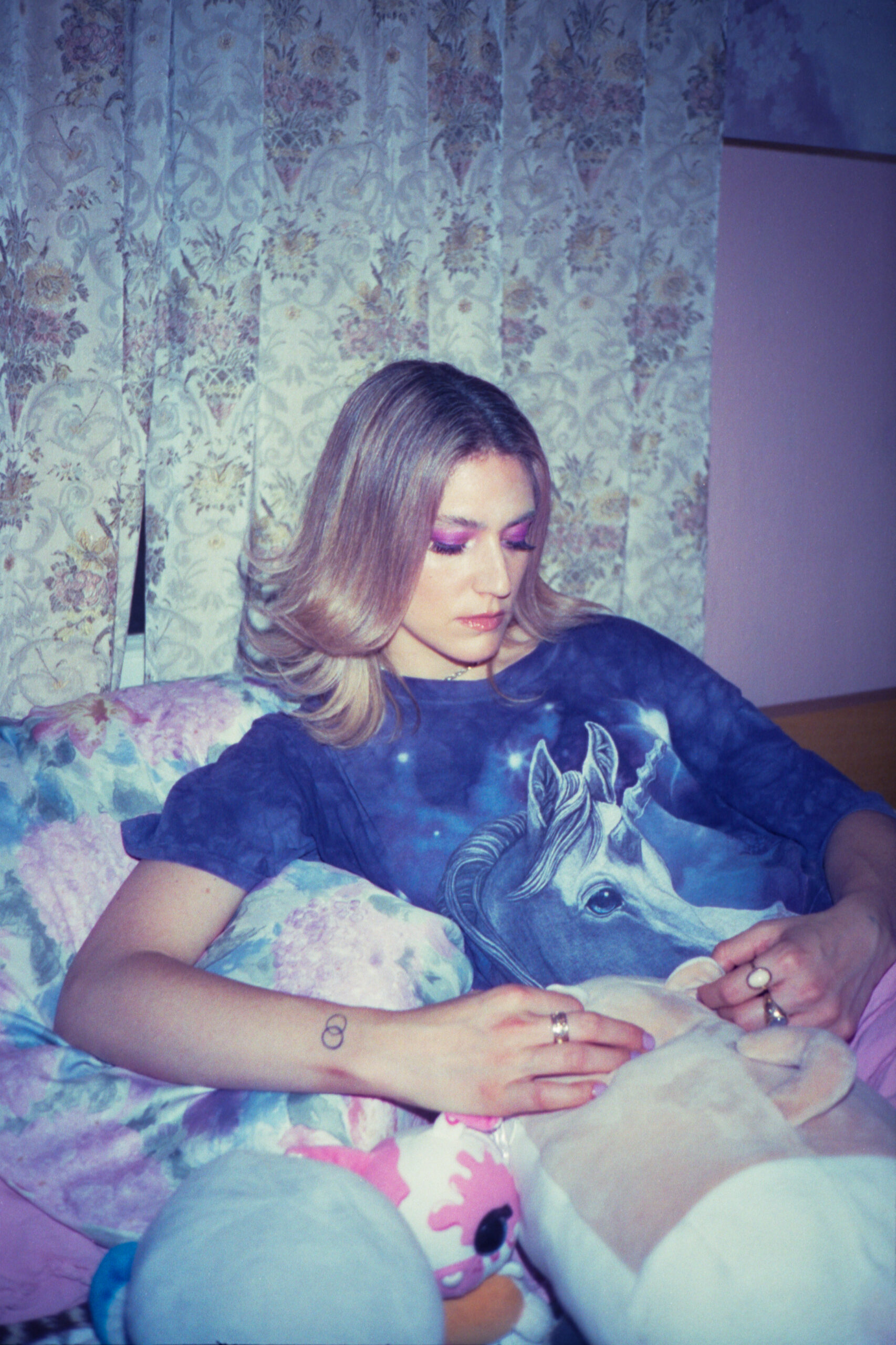
Léna C. Interviewed by Chris Massey
How & why did you get into DJing?
I got into DJing by chance, really. Back in 2016/17, I used to provide the music (I wouldn’t call it DJing back then, more like YouTube tab-jumping!) at a big Tudor mansion in south-east Manchester near Levenshulme called Slade Hall, where my best mate lived along with a dozen other people. They would throw the wildest house parties and I’d jump behind the laptop to play some tunes! That was my first introduction to DJing in the sense of selecting music to make people dance.
In early 2017, I was approached by the DJ collective Me Gusta, which I was part of for about three years. Those were very formative years – I learned to play on CDJs and seriously started collecting records. Me Gusta nights were (and still are) staple club nights in the Manchester scene and I have very fond, nostalgic memories of the early ones I was lucky enough to be part of.
You have such a cool & unique sound to your sets. What would you say were your ‘gateway’ musical inspirations for DJing this way?
Thank you! I think a lot of my musical taste and the way I approach DJing goes back to how I grew up. I was raised in a family of Breton traditional musicians, so from a very young age I was exposed to what many might consider obscure or niche music, but which felt completely normal to me. I grew up around unusual rhythms, modal melodies, and non-commercial sounds, and I think that early exposure really shaped my ear and my openness to music.
When I started DJing, I naturally leaned toward music that felt culturally grounded and rhythmically rich, and very percussive because I absolutely love dancing. I’ve never been drawn to a specific genre, it’s more about the energy and the emotional response music can trigger. So in a way, my gateway inspirations weren’t particular artists or DJs but this ongoing curiosity about sound as a form of connection, bringing together different tracks that speak to each other, and to the crowd, in unexpected ways.
I love your Instagram posts about new music discoveries & purchases, especially because the records you post are ones I’d never normally look twice at! How much of your record shopping is based on deep knowledge, and how much is ‘blind buying’?
Thank you! I never blind buy, records are way too expensive these days, haha! I do a lot of digging online to discover fresh releases, which I’d probably overlook otherwise, since I mainly play vintage music. I actually started that fresh releases wrap-up series as a way to stay up to date with what’s coming out now.
I wouldn’t say my record shopping is based on deep knowledge, as I don’t feel particularly knowledgeable in that sense. But over the years, I’ve started to recognise certain labels, artists, bands, regions, and time periods I tend to enjoy. And (as shallow as it might sound!) the record sleeve artwork definitely plays a role in whether I pick something up, especially when I don’t know the artist. Sometimes a cover just feels like something I’d love.
What would you say has been your best gig to date?
Probably Green Island Festival just a few days ago, on the 2nd of August! It was a gorgeous, sunny day and I was curating the selectors’ stage. I invited two incredible selectors, Santa Leticia and Cosmo Sofi, and we spent the whole day playing back-to-back for eight hours to a really receptive crowd who danced all day to our borderless, genre-bending vinyl selections. Absolute bliss!
Your personal favourite track you own and have played out?
There’s one compilation I’ve been taking with me everywhere lately – it’s a selection of African dancefloor classics and rarities compiled by the incredible East African DJ Kampire, released on STRUT. It’s honestly one of the best compilations that came out last year. I always play “P-Coq” by The African House Party Project feat. Splash, and also “Sala Ni Toto” by Pembey Sheiro, one of my all-time favourites!
Likewise, what’s a track you played out but wished you hadn’t?
It’s not really a track but more of an event (which I won’t name!) where I felt completely out of place. I was pressured to play a certain style – crowd-pleasing house and dance music, which really isn’t me. That experience taught me it’s okay to say no to a gig if it means staying true to yourself and your tastes.
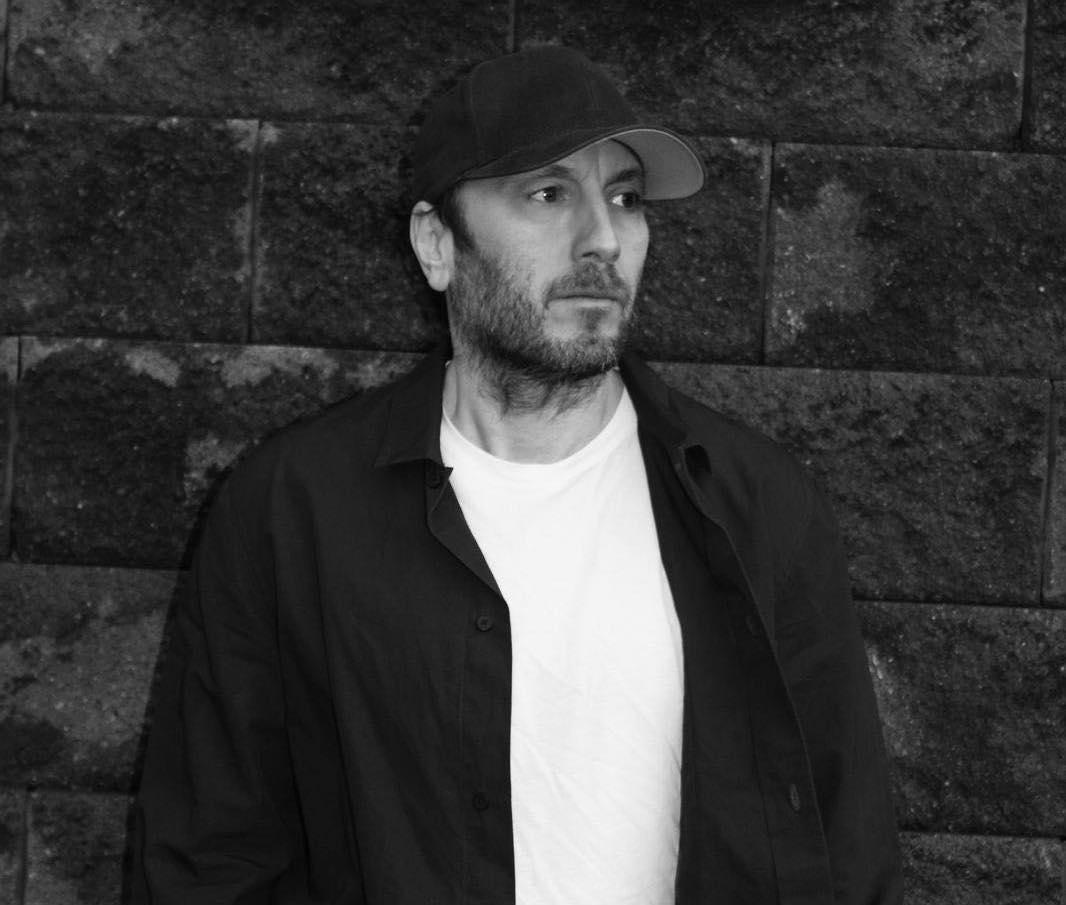
Chris Massey interviewed by Léna C.
You did the Popular Music & Music Production Degree at City College when I was the team leader for Music in 2007. What did you get out of the course and how did it help you with what you do now?
That course was without a doubt a huge part of my life and played such a significant role in who & where I am today. I started the course coming from a DJ background so had absolute zero experience of music production, sound recording & music business (though am still a bit sketchy on stuff like publishing!) but I finished the course after just 2 years with a solid understanding of music production, use of DAWs, studio recording and live sound. Skills & experience that I still refer to even now.
It was also where part of the course was a work experience placement which I took with Electriks (home of The Electric Chair & The Unabombers). It’s from working with Moggsy there that things really started to elevate for me. Not just in a professional sense but hugely in myself as a person. The tutors at college though were incredible at what they did and I feel so lucky to have had them as mentors. It felt like a really special time to be a student there as I know that the year after I finished it had a massive change around and from what some of the tutors I bumped into told me (yourself included!) that it was all seemingly not for the better.
It’s getting increasingly difficult to make money out of music: You’re a DJ, artist, songwriter, promoter, record label, remixer… and just about everything that’s possible. Do you make an OK living from what you do and how important is it to diversify in the industry nowadays?
Honestly I am always worrying about money and not having enough (something I inherited from my mum!) and think I’m not going to make payments each month. But I would say I get a consistent income from everything I do but it is a lot of graft and often feels a bit ‘hand to mouth’. There is of course the reality that things can change so suddenly, and one stream of revenue suddenly stops. With that in mind I think having a wide range of skillsets which allow you to diversify is incredibly important as well as being (for me) more interesting. One path can lead to another and result in meeting lots of other people from which other opportunities will arise!
You’ve done a couple of great remixes for us: How do you approach doing a remix and how does being a DJ help with the process?
I’ll always have a listen through the original track at first and see if anything immediately jumps out at me. Usually if there are elements in there that are traditionally not on my radar or palate then that’s a good start. Having a vocal is something I’m always keen to work with, whether it’s using it in its full or just ‘fucking it up’ via various methods is always fun. I’ll often listen through the stems and start to put them through some pretty standard processing tricks that I tend to use on most productions and see if the vibe starts to hit me. I really love to take things out of context and flip the script… shed light where there’s dark or vice versa. For example, taking a quite ‘poppy’ vocal and putting it to a chuggy acid bass or darker electro/New Wave vibes is something I love to do. As Andrew Innes of Primal Scream told Weatherall after an initial listen to his first attempt at remixing “Loaded”; “just fucking destroy it man” is a mantra I often refer to.
I’d say that being a DJ has definitely helped and I’ve been lucky to play for some amazing events (warm up, mid set & peak time) such as Supernature, Sticky Heat and of course A Love From Outer Space which are 3 club events that are very open minded when it comes to what you can play. I’ll often transport myself back to playing at any of them when I’m in the studio and use that as a bit of a reference point to what will work and at what time. Likewise, being a producer has also helped me hugely in my DJ sets too when it comes to getting creative in transitions and mixing. Using a lot of echo, delays & filters throughout the tracks I’m playing are a bit of a mainstay. Just enough to add a bit of wobble… subtle is the key and not going warp factor James Hype style.
What is your favourite record so far this year (single or album)?
My good friend Richie V who I do the Sprechen Cinema events with bought me the new album by Marconi Union for my birthday this year which is a stunning piece of electronica that at first seems typical of the ‘ambient’ genre but it’s absolutely stacked with so many layers of sounds which all twist & turn in harmony to create some epic soundscapes! In a similar vein is “The Pool” by Apta which has made its way to one of my favourite albums I got this year. A reverb drenched synth & guitar powered listening experience which is by Barry who works the counter at Piccadilly Records that was put on my radar by my friend Lee Andrews (coincidentally a former tutor from City College!) who said I’d love it and I really do.
A favourite single was one I picked up in the sale at Juno called “Like A Fool” by Cabaret Du Ciel feat. Barbara. I knew nothing of them at all but it’s from a recording in the early 90’s by Cabaret Du Ciel who are an experimental electronic outfit from Italy. It’s a beautiful bit of new wave style tackle that’s slightly lo-fi & stripped back but packing a ton of emotion with a stunning vocal. It kind of sounds like something Yoko Ono would do if she could stay in tune.
What is your favourite label and do you model Sprechen on any particular label?
I must admit I don’t always go specifically for labels and tend to just buy what I like the sound of. However, I do favour a lot of the stuff that Curses puts out, especially his Next Wave Acid Punx which are compilations of new & old darker club tunes that touch on EBM & industrial type dance music. I really like the output from Jason Boardman on his Before I Die Project. Jason is someone I hold in massive regard from first meeting him back in the days of Electric Elephant to regularly bumping into him over the years. He’s been a supporter on a few Sprechen releases and I kind of feel I’ve been accepted into his ‘balearic circle’ on a temporary membership.
In regard to Sprechen and any sort of inspiration I’d say that Kompakt had a massive influence in terms of the aesthetic and styling. The way that the name & character of the label is totally ambiguous to what the actual musical content was something I took on board. Warp and also Mute had a lot of influence in that their musical output is very varied in terms of not having one specific style yet something about the releases all work in harmony. I say that on Sprechen although rooted in electronic music there is a connection of the invisible dots between club music and more expansive listening experiences. I suppose at first there was the worry that it would be seen to be inconsistent so there was more ‘dance-floor’ aimed releases, but it has seemingly found its way to where I always wanted it to be and to see it be embraced as the label I always envisaged is pretty mega.
What’s next for Sprechen and Chris Massey?
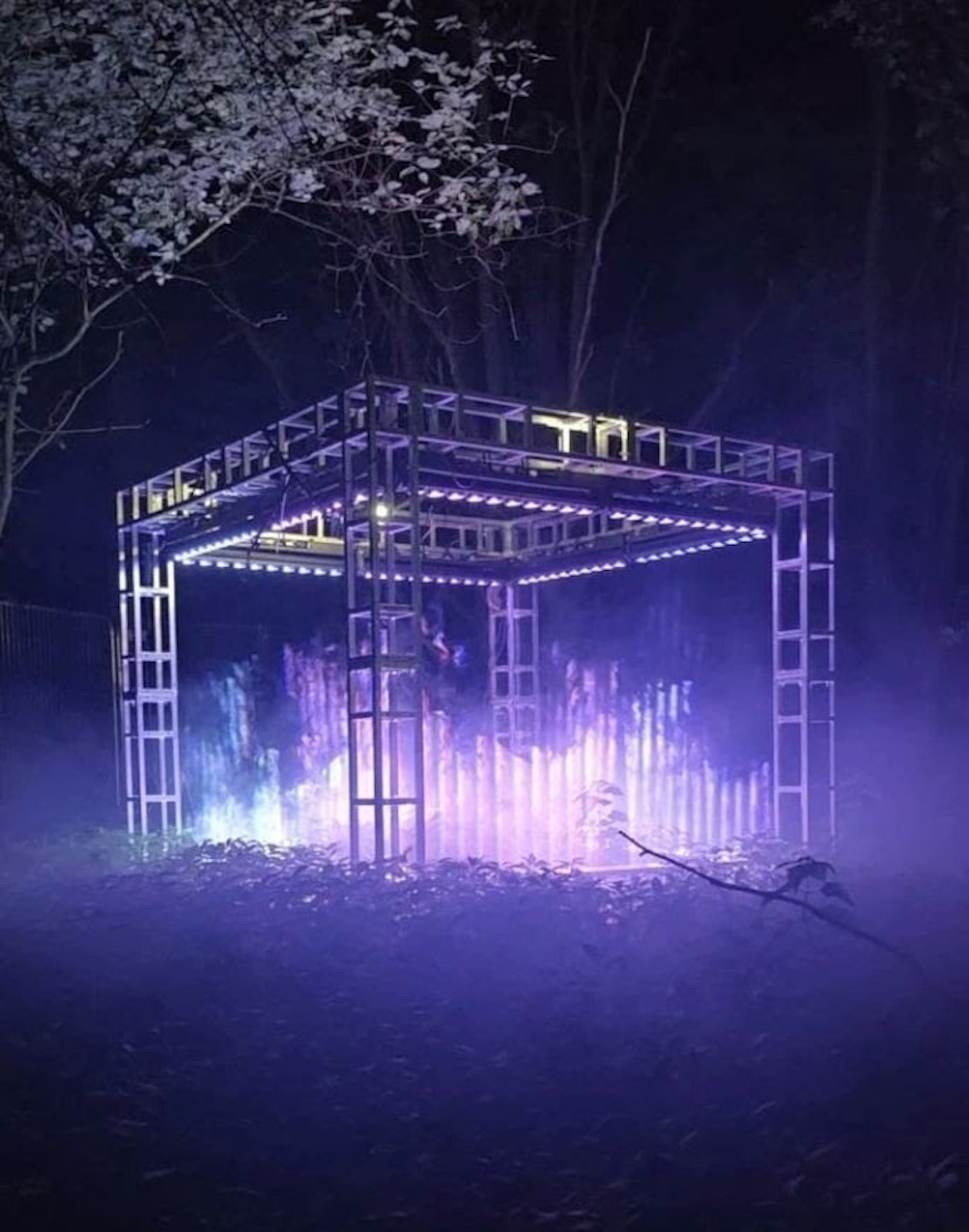
2025 has all been about the 10 year compilation (of which you & the ACR guys are part of!) and various tie ins with that which has kept me busy as heck! There are some launch events coming up in Manchester and Stockport as well as some upcoming collab events with Paper Recordings who are celebrating 30 years this year! In December we have a joint event at Aviva Studios with Lindstrøm performing live alongside a 55 piece Norwegian male voice choir!
As well as the compilation there is also a release by Jon Pleased Wimmin & Dave K to drop before the end of the year which is a straight up peak time party piano pumper, the likes of which I’ve not put out before but I’m a fan of Jon’s so jumped at the chance to have one of my heroes on the label. Next year there is a follow up E.P. dropping on vinyl by my Thief Of Time project which has tracks written by & co-written by Lady Lady and which had some additional production by Tom Sharkett of WH Lung. There is also another vinyl release which I’m mega excited about that comes from Bird Of Pandemonium and is chock full of psychedelic, balearic brilliance.
For me personally I am looking to push my studio engineering & production side hustle more. It’s something I’ve been doing on the side with my own productions as well as other artists which has ticked over nicely in the background. It’s had a steady build-up of clients which I’d like to continue to grow in 2026. I just need to work out how to do that without becoming a performing monkey on social media!
10 Years of Sprechen is out now
Follow Sprechen here





Must Reads
David Holmes – Humanity As An Act Of Resistance in three chapters
As a nation, the Irish have always had a profound relationship with the people of Palestine
Rotterdam – A City which Bounces Back
The Dutch city is in a state of constant revival
Going Remote.
Home swapping as a lifestyle choice
Trending track
Vels d’Èter
Glass Isle
Shop NowDreaming
Timothy Clerkin
Shop Now