The Sound of Silencio: Bawrut on Invisible Lives, Dancefloor Politics, and the return of a label
Nearly a decade after “Ciquita” became an underground sensation and inadvertently birthed Ransom Note Records, Madrid-based Italian producer Bawrut is bringing his SILENCIO imprint back to life.
But this isn’t just another label relaunch story. The first release under the revived imprint is a four-track EP born from three days in Southern Italy, recording with migrants and undocumented agricultural workers at Scuola Fatoma—an Italian language school that helps marginalised people emerge from what Bawrut calls “societal invisibility.”

Between changing nappies for his newborn son Bruno and assembling the project, Bawrut – real name Borut Viola – has crafted something that sits right at the intersection of club hedonism and political consciousness, a space where dance music has always belonged but often forgets. The tracks capture everything from farewell songs to Tunisia, forcing people to risk Mediterranean crossings, to spontaneous moments of pure joy when someone breaks into an Arabic Ace of Base cover over a reggae beat.
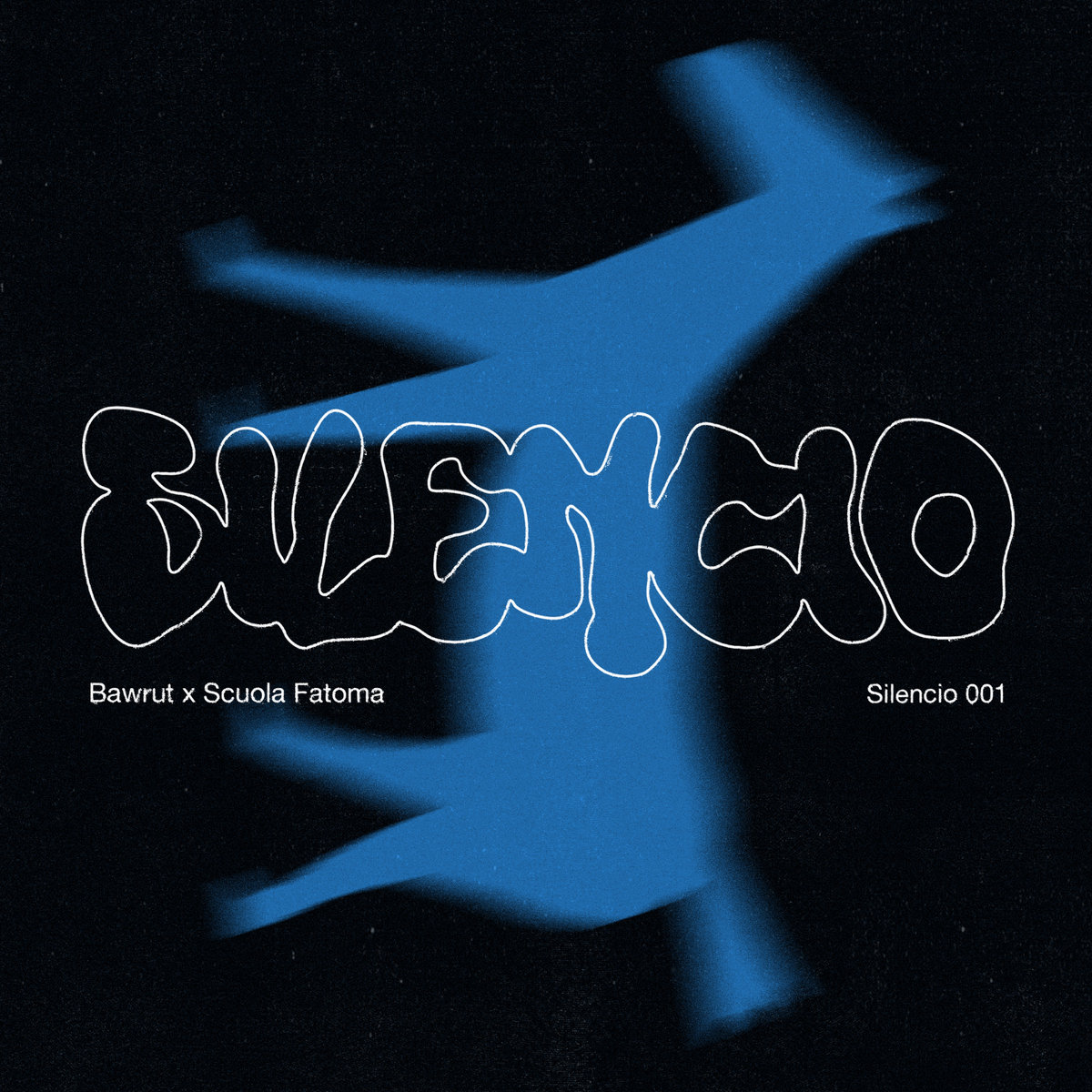
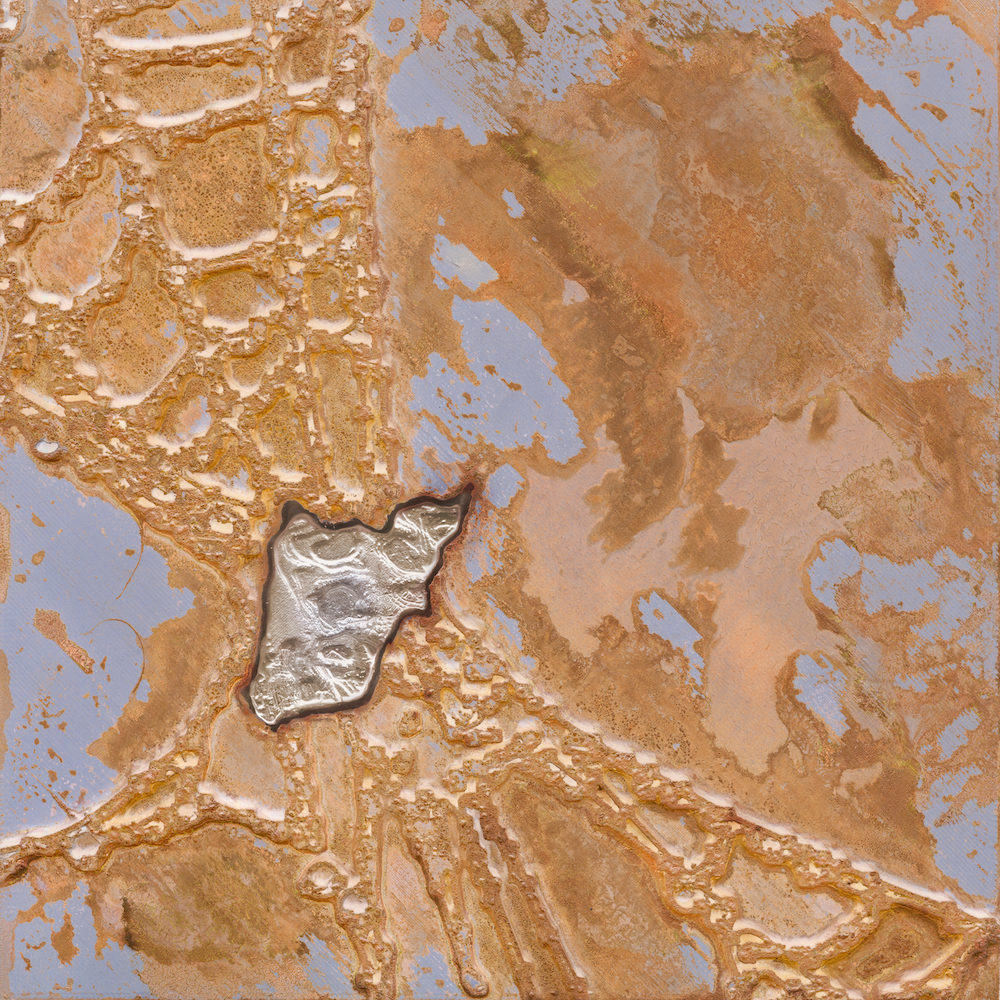
The artwork pays tribute to Marco Cavallo, a giant papier-mâché horse created in the 1970s by Italian psychiatrist Franco Basaglia to bring visibility to people confined in psychiatric asylums. Today, that horse has become a Trojan horse for another fight against invisibility.
We caught up with Bawrut to talk about muddying the waters, why karaoke isn’t enough, and how dance music’s political essence lies in its function as much as its content.
Ten Years and a Love Story
SILENCIO’s origin story begins with a love affair. In 2016, Bawrut met Ransom Note – yes, that’s us – and both parties fell head over heels for “Ciquita.” Ransom Note Records was birthed solely for the purpose of providing a vinyl release for that track. It sold out in a week, becoming a stone-cold classic that would define both trajectories.
‘A&R legend’ (his words, not mine) Ian McQuaid – now regrettably on the subs bench – remembers exactly how it happened: “I actually remember very specifically what it was that made me want to release Ciquita — it’s when I was doing Sticky Floor, which was a vinyl only night at the Bunker in Deptford. I heard Ciquita on Soundcloud and really wanted to have a version to play at that club, and because I was too much of a dummy to get a dubplate pressed I thought we should just release it. I must have played that tune in well over 100 sets at this stage, still love it.”
Almost ten years and many collaborative projects later, the musical relationship remains strong enough to rekindle SILENCIO together.
“I’ve always had a clear idea of what Silencio should be: a platform where I can release my music, whatever form it takes,” Bawrut explains. “It’s true that ten years ago, right after releasing first track Ciquita, a young but promising UK label wrote to me asking if we could press it on vinyl. And that’s how Ransom Note Records was born.”
Over the years we did a lot of great things together, released a lot of beautiful music. SILENCIO naturally went into hiatus. But in 2024 he wrote a lot of music, knowing his son was about to arrive, and in 2025 – between bottle feedings and lullabies – he picked up the idea again of having full control over both his releases and his timing.
"Ransom Note has been more than a label for many years. First of all, a group of friends - but also a booking agency better than the one representing me at the time, and a management I didn't even know I had."
He’d always thought about alternating releases on “bigger” labels with smaller or niche ones, both to get help and to help others starting out. “But releases with Ransom Note were always the most important to me. This idea of a ‘sub-label’ had been in the air for a long time, and when I found myself with a lot of music that truly represented who I am, I thought that if Silencio was to come back, it had to be with Ransom Note.”
From Documentary to Shantytown
The journey to this particular EP started with a documentary. In the summer of 2024, Bawrut came across One Day One Day, a film by A Thing By about the conditions in the Borgo Mezzanone slum. In Italy it’s well known that all the vegetables – especially the tomatoes on pizzas – are harvested by undocumented workers, and that their situation only enters public debate when someone dies in a road accident. The documentary shows how they actually live.
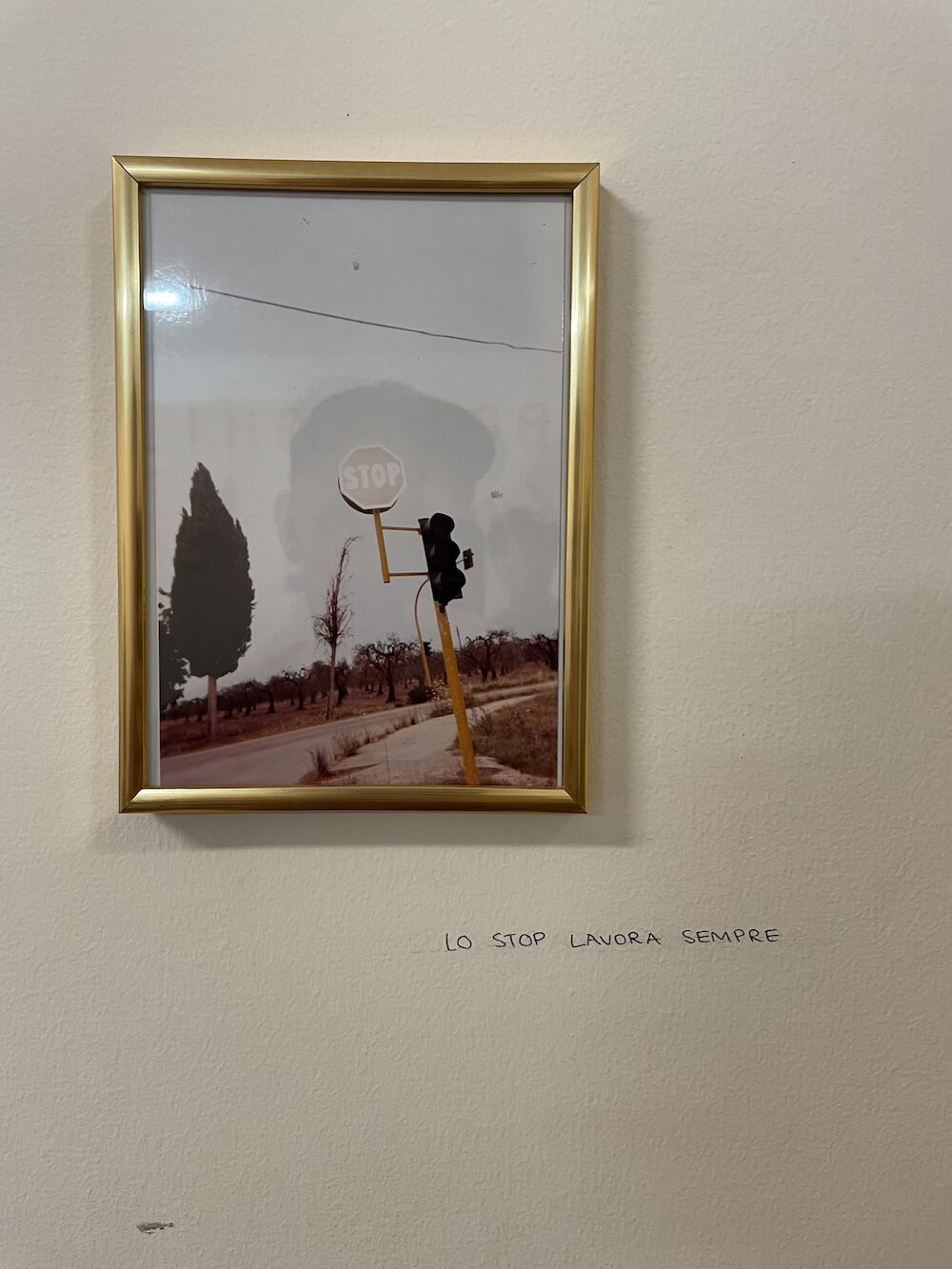
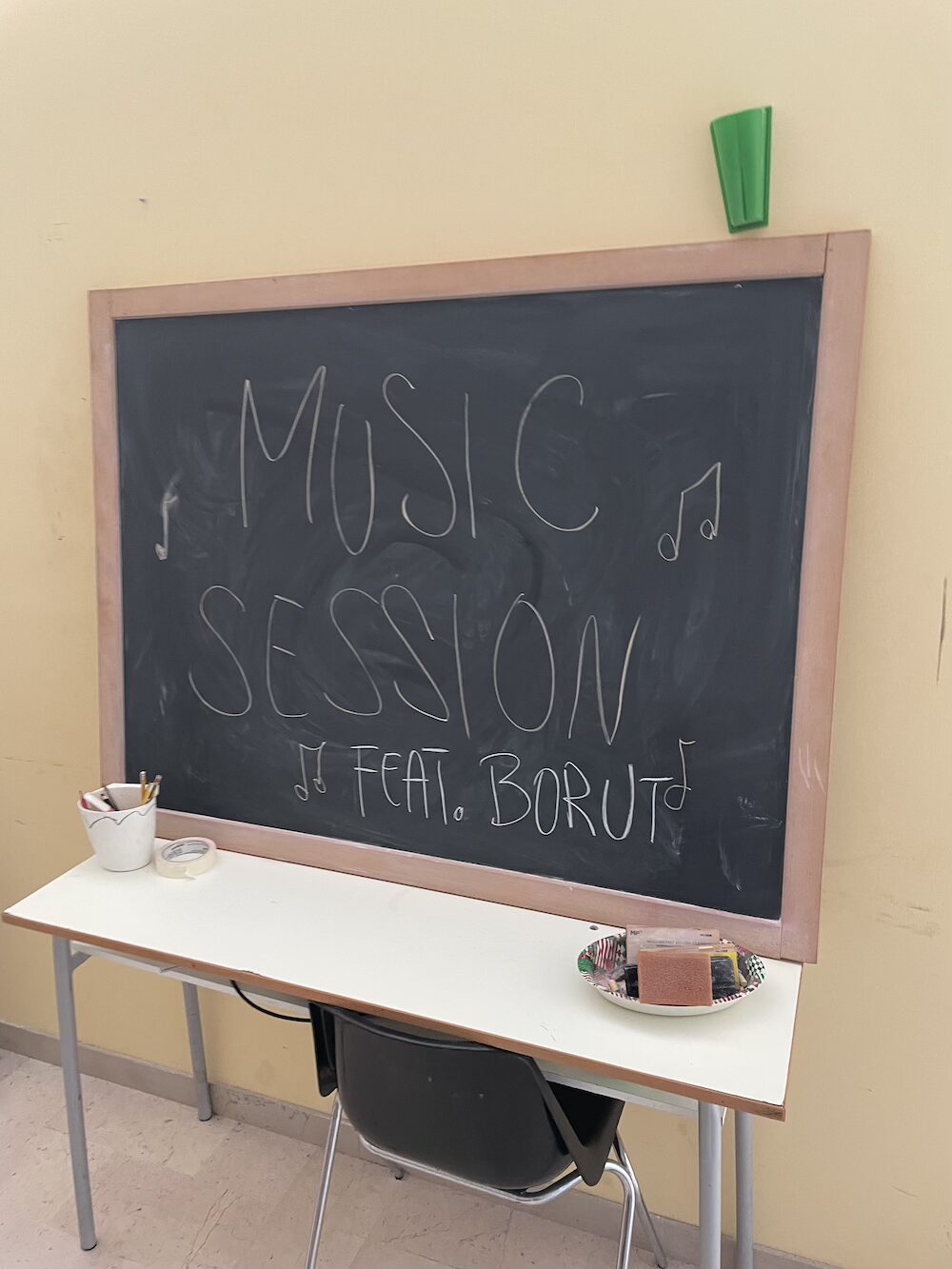
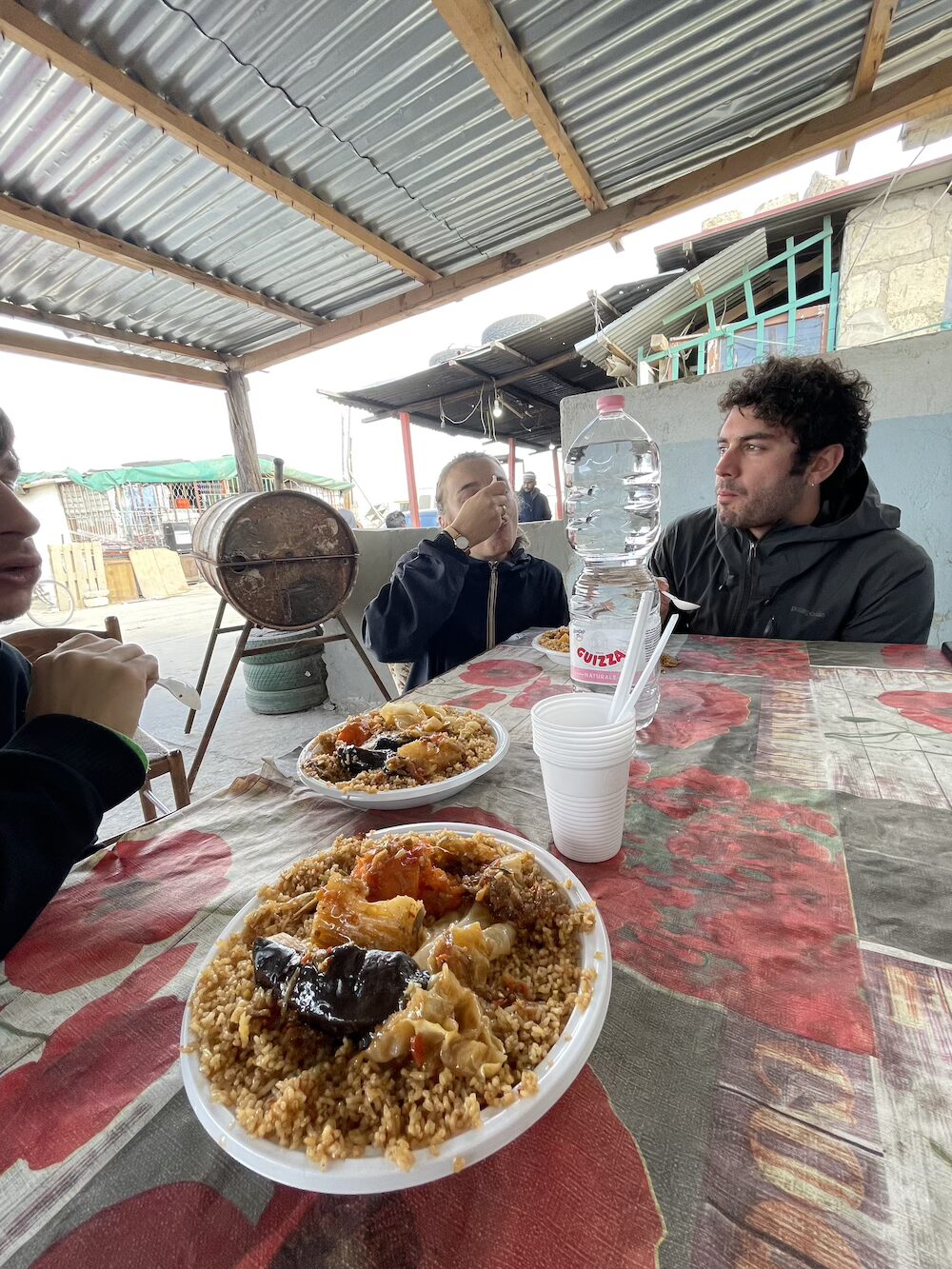
After watching it, he discovered Scuola Fatoma, a school that teaches Italian as a tool for integration. “I wrote to them and, after a few emails, we organized some music sessions. The idea was to bring people out of the shantytown and simply make music together, with no expectations.”
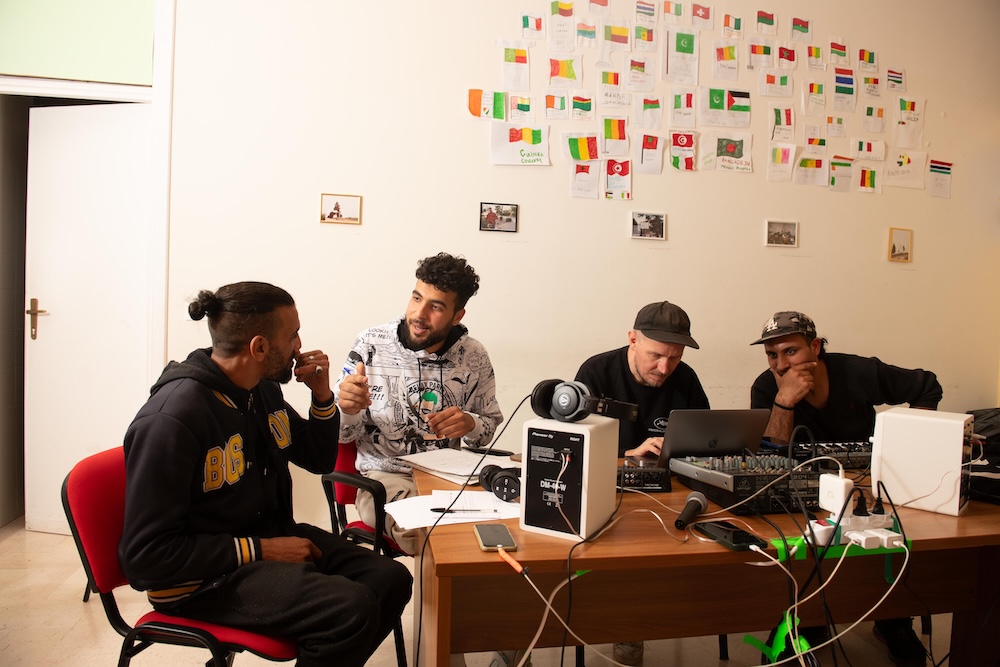
Music has countless layers for Bawrut – maybe too many. In a song, he analyses lyrics, influences, voices, and structures. “For many people, music is just music. Period.” On the first day, what happened felt more like karaoke, singing songs they already knew. “Only after a songwriting session did we find the urge to say something. That ‘something’ became contagious: little by little, everyone opened up, sharing aspects of the last months of their lives.”
It was touching, sometimes heavy, but absolutely real. Whether it’s Southern Italy, the vineyards of Piedmont, Alentejo in Portugal, or Almería in Spain, the condition of workers is often the same: low-cost labour, preferably undocumented, because it’s easier to blackmail, bringing vegetables to our tables every day.
The school itself is dedicated to Tomas, a young man who appears often in One Day One Day and who died a few months after filming, hit by a car while riding his bike home. The founders created the school in his memory, with the aim of teaching Italian as a first step toward integration. “They have an open call-to-action—you just write to them and propose something. In this case, music sessions.”
Four Voices, Four Stories
The EP’s four tracks each came together differently. “Ciao Tunisie” is Seif’s single-take farewell to his home country, a raw confrontation with Tunisia for forcing him and thousands of others to risk their lives crossing the Mediterranean. Bawrut tried to use only sound pads to support his vocals, which were flowing over the beat of “Human” by Rag’n’Bone Man. “He was very inspired by that song, and honestly the words and atmosphere were so real and heavy that I didn’t feel like adding much more instrumentation.”
Seif’s lyrics were never edited – it felt right to keep them that direct and to the point.
Ndongo they found in the Borgo Mezzanone slum itself. “On the morning of the second day, we went into the slum to see if anyone wanted to come along. Everyone keeps to themselves there, and during the low work season very few people go out, so seeing the situation firsthand felt important.” Several people had told them about Ndongo, a former Rome reggae singer whose undocumented status has left him in limbo, and eventually they found him.
“He was sceptical, but in the end he came. He didn’t say much, recorded several takes of his track, and then left. He was polite and kind, but I think he saw our initiative as too light—or maybe, and this is just my personal feeling, as a kind of pastime for bored people.”
They’ve tried to contact Ndongo many times since without success. But with the other collaborators, they’re in touch by phone and Instagram, and “they’re enthusiastic about what we made together.”
“Hobi” came from a moment of pure spontaneity. Hatem is sharp, alert, and sensitive, despite the many hits life has given him. He had things to say and expressed them through rap, with a raw, direct flow. “Then he’d come to me, ask to charge his phone, and go out for a smoke.”
At some point he came back into the classroom, heard a vaguely reggae beat, grabbed the headphones and microphone, and started singing “All That She Wants” by Ace of Base in Arabic, dedicating the words to his wife who stayed in Tunisia. “There’s also a moment where he gets carried away, improvises, and ends up laughing with everyone else—a take I kept entirely in the song. Those few seconds capture the essence of the project: we had fun, we laughed, we messed around, and we escaped—if only briefly—from an alienating condition.”
With Fares, Bawrut edited a lot, turning his contribution into what’s essentially a remix of a much longer and more disconnected original piece for “Walla Yamma.”
Dancing as Politics
When it comes to balancing club energy with political depth, Bawrut doesn’t think he needs to explain the political roots of ballroom, disco, house, techno, or rave culture. “What’s difficult is conveying political issues through music that often has no lyrics. Many times its political essence lies in its function: dancing as an act of escape and of imagining a safer, better future.”
That’s how he sees this project. He didn’t want to be didactic, pointing out everything that’s wrong in the world through explicit titles or images of injustice. “Music’s collective power and dance’s escapist function can already do that, without an instruction manual.”
When he played in Kyiv two years ago, his closing track was “It’s Alright” by the Pet Shop Boys—a cover of a Chicago anthem by Sterling Void. “The lyrics are sadly still relevant, and the piano house instrumental is dark but hopeful. I don’t think anyone but me caught the message I wanted to leave, but we all danced, happy.”
So what happens when someone hears this EP in a club at 2 a.m., unaware of how it was made? “Great question. The message might get lost—and that’s fine. Dance music is escapist by definition, and at 2 a.m. I don’t want to lecture anyone who just wants to feel good and dance. These songs were born in moments of escape, too. I don’t feel like confining them only to reflections on migration flows or migrant invisibility.”
They’d already addressed that explicitly with previous releases. “I believe we need to be kind, committed to the right causes, and face life, the world, and other people with gentleness. That goes beyond Bawrut as an artist and beyond my ego—it goes deeper. It’s about Borut Viola.”
Keeping the Gunk
Bawrut describes his sound as “effective and oddball club tracks.” When asked what “oddball” means to him, he’s clear about his intentions. “I’ve always tried to give my music a strange, twisted edge—trying to make dance ‘punk’, in a way. Sometimes it worked very well, sometimes less so, but that’s always been my approach.”
Today, a lot of music sounds the same to him. Even new things often sound incredibly powerful but plastic—melodic techno, tech-house—and even niche scenes end up being painfully similar to their references: house, techno, trance, progressive. “We worry about AI, but impersonal music built on solid references already exists.”
His goal is to muddy the waters. As James Jamerson used to say: the gunk keeps the funk.
“My goal is to muddy the waters,” he repeats. It’s why SILENCIO matters to him as a creative outlet embracing his different sensibilities. Beyond the activism driving this EP, he has a couple more EPs that still need to be assembled—club tracks mixing voices and drum patterns from around the world with more straightforward club structures. “I’ve always been obsessed with blending influences. We’ll see.”
There’s also an “ambient” record made of drones, field recordings, and melodies, trying to communicate themes that have affected him over the past months. It was meant to be a yearly project, but the arrival of his son Bruno slowed everything down a bit. “Let’s release the first one and see.”
The Real Victory
When Bawrut thinks about the purpose of this EP, he doesn’t think about interviews or music industry outcomes. He thinks about Fares, who came to Scuola Fatoma from a migrant center where he was stuck in apathy while waiting for documents. “He kept attending Italian classes after the music sessions ended. He learned Italian, speaks it very well, works in a pizzeria in Manfredonia, and wants to stay in Italy legally. That was the project’s biggest victory for me.”
Giacomo, one of the people from Scuola Fatoma, randomly met Hatem in Rome recently and sent them a video where he greets them and sings one of the rap songs he had written. These small connections, these moments where the “invisibility” gets cracked just a little—that’s what matters.
The Marco Cavallo connection runs deep for Bawrut. Franco Basaglia was an Italian psychiatrist who, in the 1960s and ’70s, through his work in Gorizia—Bawrut’s hometown—and Trieste, theorized and implemented the closure of psychiatric asylums and the reintegration of patients into society. To raise awareness, he invited artists to Trieste’s asylum, where they created that giant papier-mâché horse. One day, Basaglia led the horse through the city streets with all the patients, removing the invisibility imposed on people with mental health issues at the time.
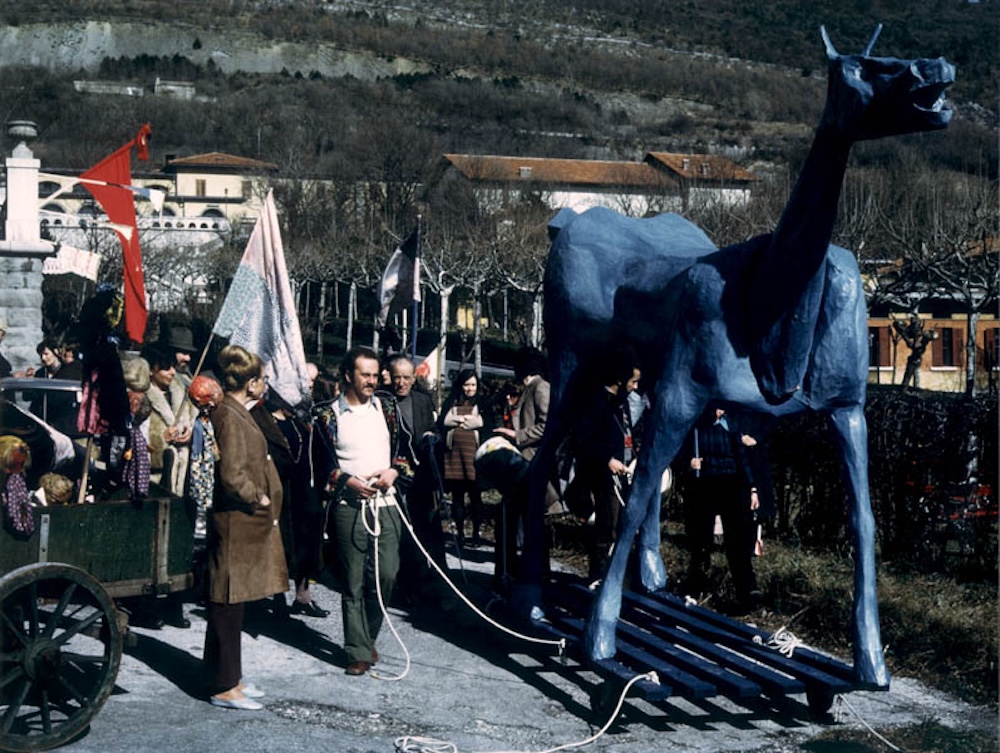
“Today, Marco Cavallo has become a Trojan horse for another fight against invisibility: that of people with migrant backgrounds, often undocumented, and of anyone trying to enter Europe without papers.”
What’s Next
As SILENCIO comes back to life, Bawrut is clear about his vision. The label will bring together different facets of his creativity—club tracks, ambient explorations, collaborations that muddy the waters and keep the funk. He’s supported by prominent DJs including Axel Boman, Erol Alkan, and the late Jackmaster, and has performed at legendary venues including Fabric, Sub Club, and festivals like Sonar and Nuits Sonores. His genre-defying approach draws from Chicago house pioneers whilst maintaining a distinctly European sensibility.
But more than venue names and DJ co-signs, what drives him is the belief that we need to be kind, committed to the right causes, and face the world with gentleness. “That goes beyond Bawrut as an artist,” he says again. It goes deeper.
The first SILENCIO release in nearly a decade captures the bitterness of a country that pushes people away, mixed with the joy of a moment of light-heartedness. But it’s also a documentation of what brought these people together in the first place: music and escapism. Dance as an act of imagining a safer, better future.
As James Jamerson said, the gunk keeps the funk. And Bawrut is here to muddy the waters, one oddball club track at a time.
The Bawrut x Scuola Fatoma EP is available now via SILENCIO
More Silencio to follow










Must Reads
David Holmes – Humanity As An Act Of Resistance in three chapters
As a nation, the Irish have always had a profound relationship with the people of Palestine
Rotterdam – A City which Bounces Back
The Dutch city is in a state of constant revival
Going Remote.
Home swapping as a lifestyle choice
Trending track
Vels d’Èter
Glass Isle
Shop NowDreaming
Timothy Clerkin
Shop Now