Sonic Ritual: An interview with Lina Filipovich
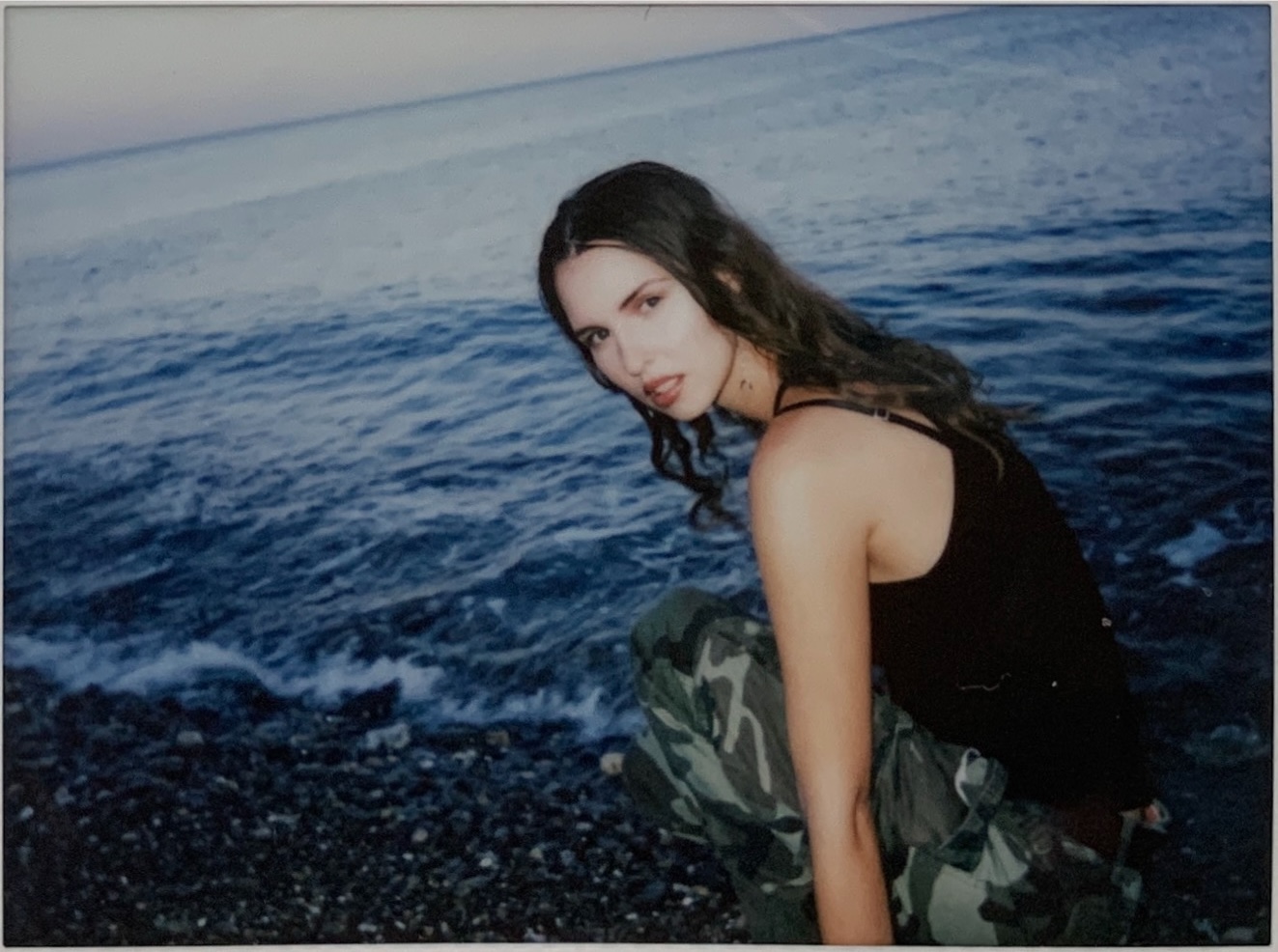
The multi disciplinary artist talks about the process and inspiration behind her new album ‘Flowers of Evil II’.
Lina Filipovich dabbles in the ethereal, the illusive and the strange. Her music is inspired by numerous tangents and the result is a tapestry of deep, pensive and at times haunting sound.
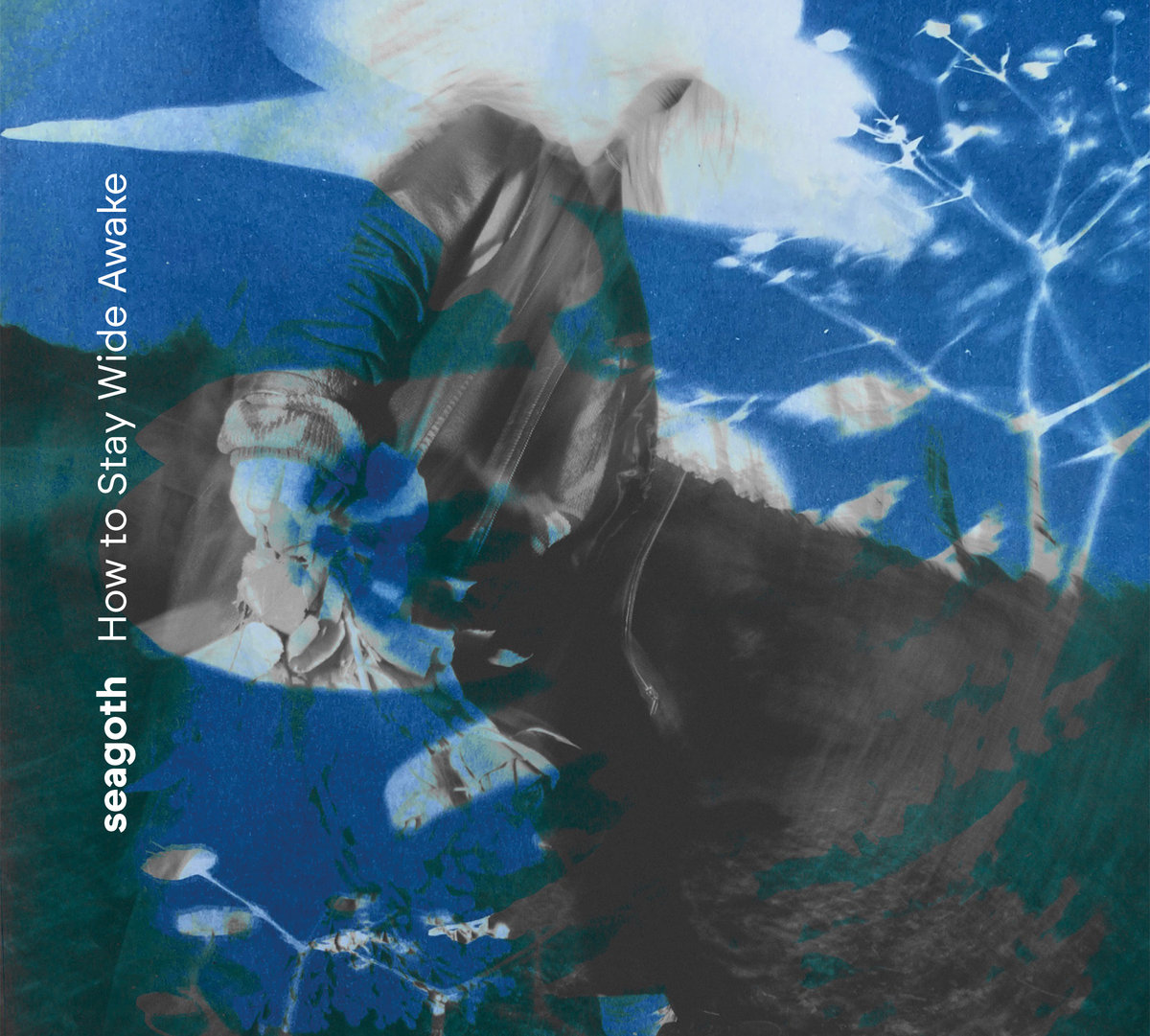
Her new album is titled ‘Flowers of Evil II’ and is described as “a ‘sequel’, taking its title as a point of departure from Ruth White’s and Suzanne Ciani’s Flowers of Evil projects. Here, the idea works as an echo that reactivates those early electronic explorations through a different temporal, sonic and symbolic lens.”
There are elements of techno and ambience intertwined throughout.
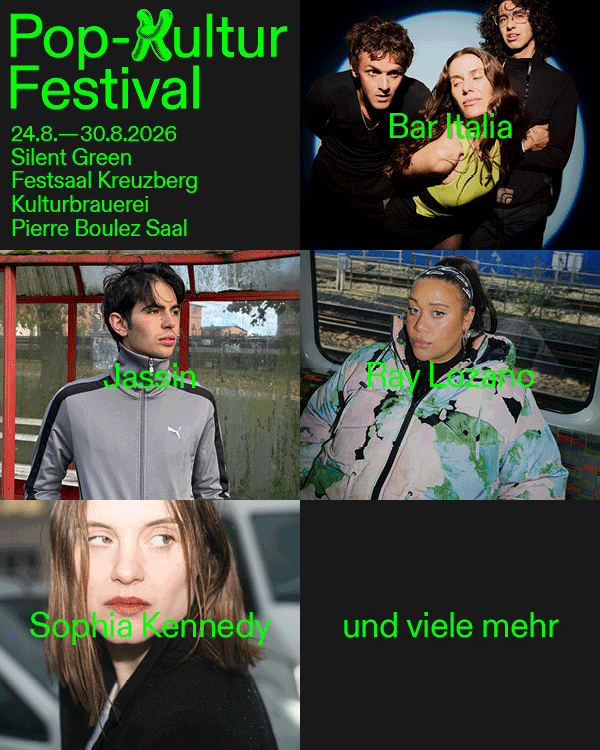
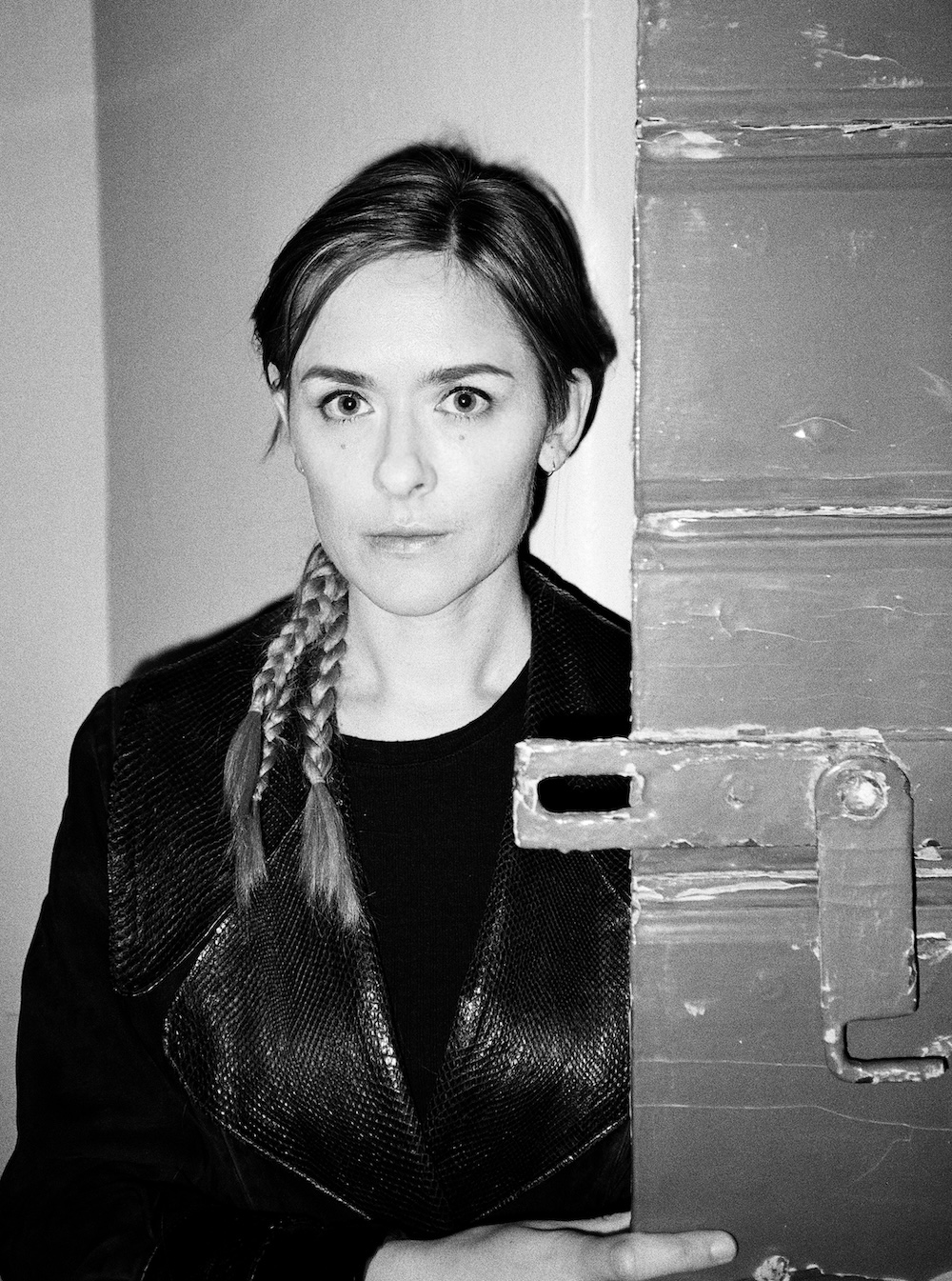
Lina Filipovich is a Minsk-born, Paris-based multidisciplinary artist and musician who collaborates and works across numerous disciplines electronic music, textile, installation, performance and found footage film. Many of these threads correlate and dissect throughout her broader array of work.
We asked her to talk through the rationale behind the new record.
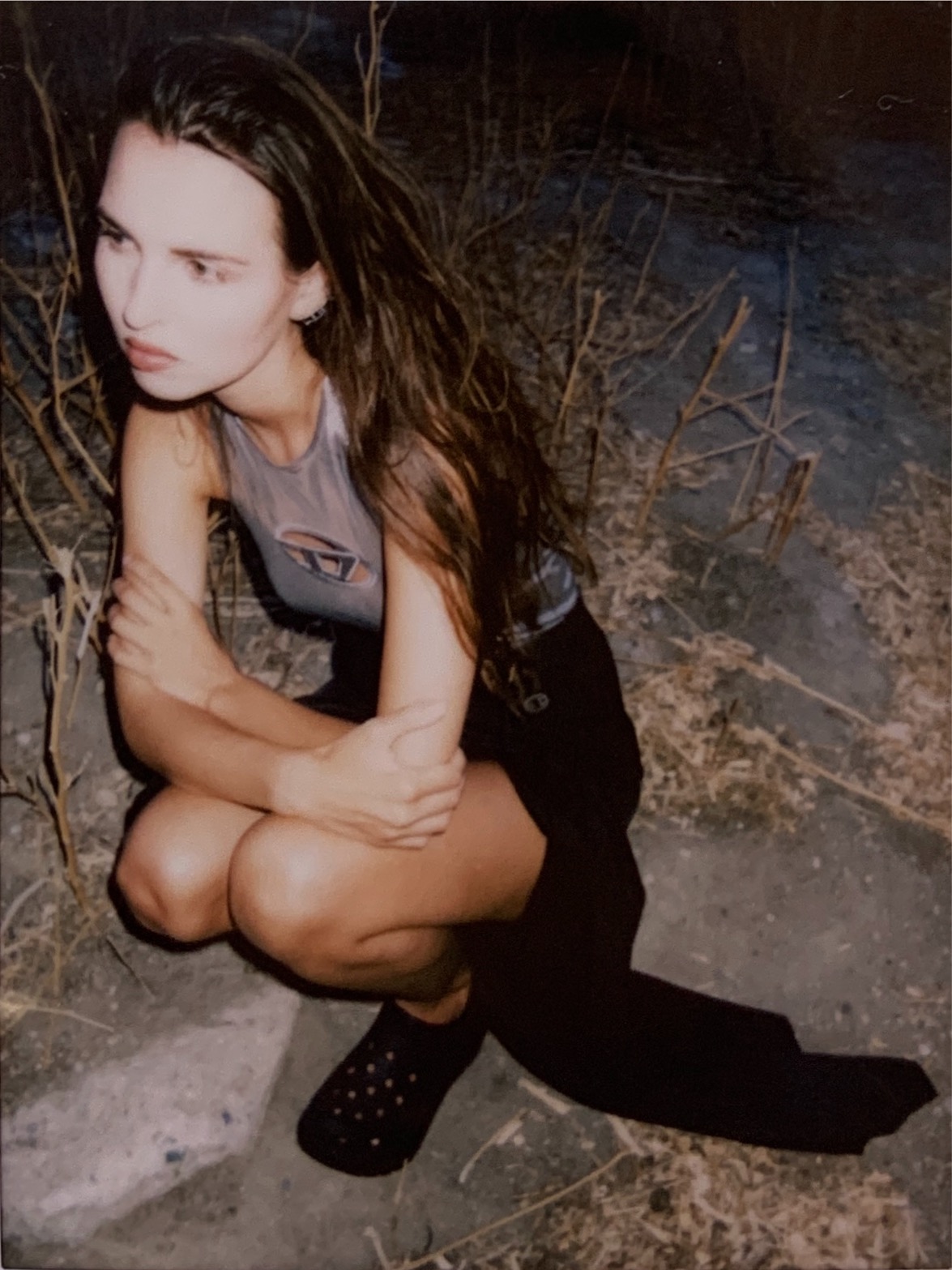
So, the record is titled ‘Flowers of Evil II’ – can you explain what influence Ruth White’s and Suzanne Ciani’s work has had on your own and how does that resonate through the music on the album?
“While working on the album, I was drawn to the approach of early electronic women composers like Ruth White, Suzanne Ciani, and Wendy Carlos. What resonates with me most is not their specific sounds, but the experimental, boundary-pushing spirit they brought to music.
The album itself sounds very different, it uses modern drum machines, samples, and digital tools. In that sense, the dedication is poetic, carried more through intention than direct quotation.”
What would you describe as the key themes of influence on the record and how do they relate to you personally so?
“I would say the idea of sonic ritual is central to my recent productions. I’m particularly drawn to the hypnotic and meditative states that can emerge through music. This approach encourages an experience of attentive listening, a practice that can heighten one’s awareness of sound, and that I see as both a spiritual and intellectual exercise. I think it comes from my interest in alternative personal rituals that give you a kind of spiritual autonomy.”
Does your own background inform your music and how were you first drawn to music as an outlet for self expression?
“The first time I tried working with sound was during my studies at art school in France. I remember that the first sounds I recorded and mixed were everyday noises I could find in my house: alarms, the washing machine, objects being dropped, kitchen stuff etc. I made a piece in which these sounds start individually and then gradually overlap over ten minutes, building into a dense noise at the peak.
Gradually, making sound became the most natural way for me to translate my intentions into an abstract and emotional form.”

You work across a number of creative disciplines, to what extent do they interlink and inform one another?
“Yes, the idea of continuous translation between different media is central to my practice. I often begin with one discipline and then let it generate an echo in another. For example, my resampling of liturgical choirs in Magnificat led me toward the installation The Masses, which proposes a complete reconfiguration of Orthodox iconography through screen printing on textile.
And I see different mediums as different parts of my personality, and it’s really important to me to keep them all living together.”
Do you feel Paris, as a city steeped in history, steers any of your creative practise or work?
“For sure. I think, for example, my interest in electroacoustic music really developed through my studies here in Paris. I also live not far from the Maison de la Radio, where the Acousmonium is installed – an impressive sound diffusion system made of around sixty loudspeakers. Sometimes I go there to listen to acousmatic performances, I think it influences the way I think about space and listening.”
You make use of religious iconography, why are you drawn toward such symbolism?
“I was frequently exposed to religious iconography during my studies at the Belarusian Academy of Arts, where I trained in Monumental Art. This program involved working in churches and monasteries, and learning techniques such as stained glass, mosaic, fresco, and encaustic.
Over time, I felt the need to reclaim this iconography from a personal perspective, not as something fixed or sacred, but as a material to question, disobey, and transform.
My practice often explores forms of resistance against norms, dogmas, and authoritarian structures. I work with inherited myths and symbols in order to reactivate them through a subjective and intimate experience, to open them up to new meanings.”
Buy the release HERE.


Must Reads
David Holmes – Humanity As An Act Of Resistance in three chapters
As a nation, the Irish have always had a profound relationship with the people of Palestine
Rotterdam – A City which Bounces Back
The Dutch city is in a state of constant revival
Going Remote.
Home swapping as a lifestyle choice
Trending track
Vels d’Èter
Glass Isle
Shop NowDreaming
Timothy Clerkin
Shop Now