Changes – An Interview with Marc Brauner
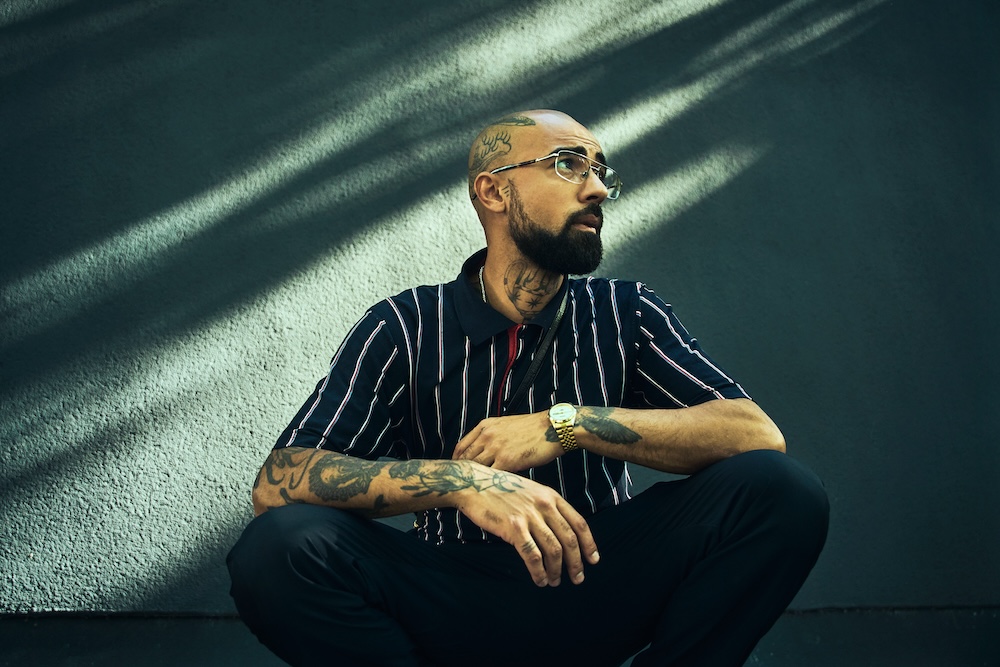
Reflecting on the cities and landscapes which form the backdrop of modern club culture.
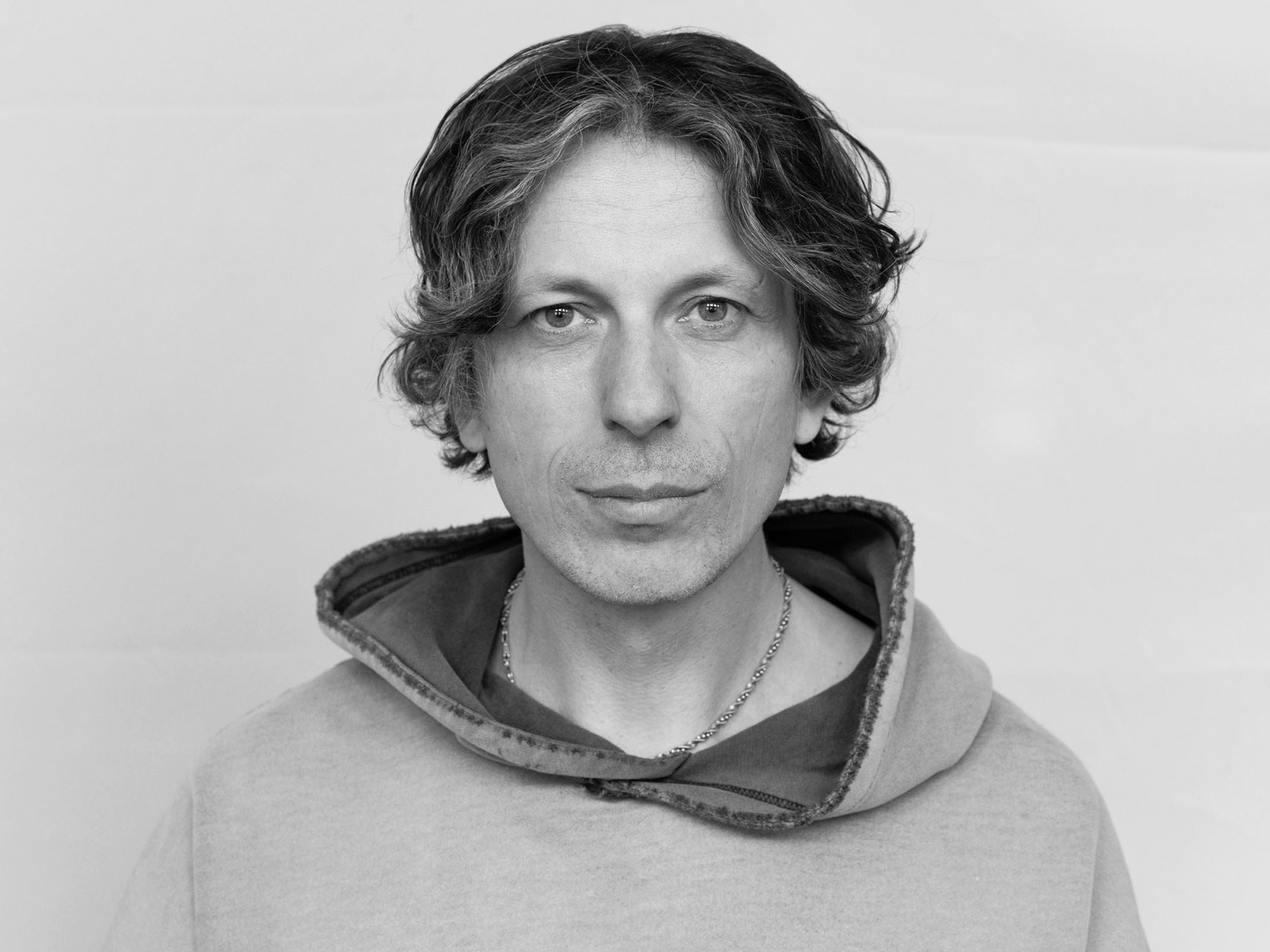
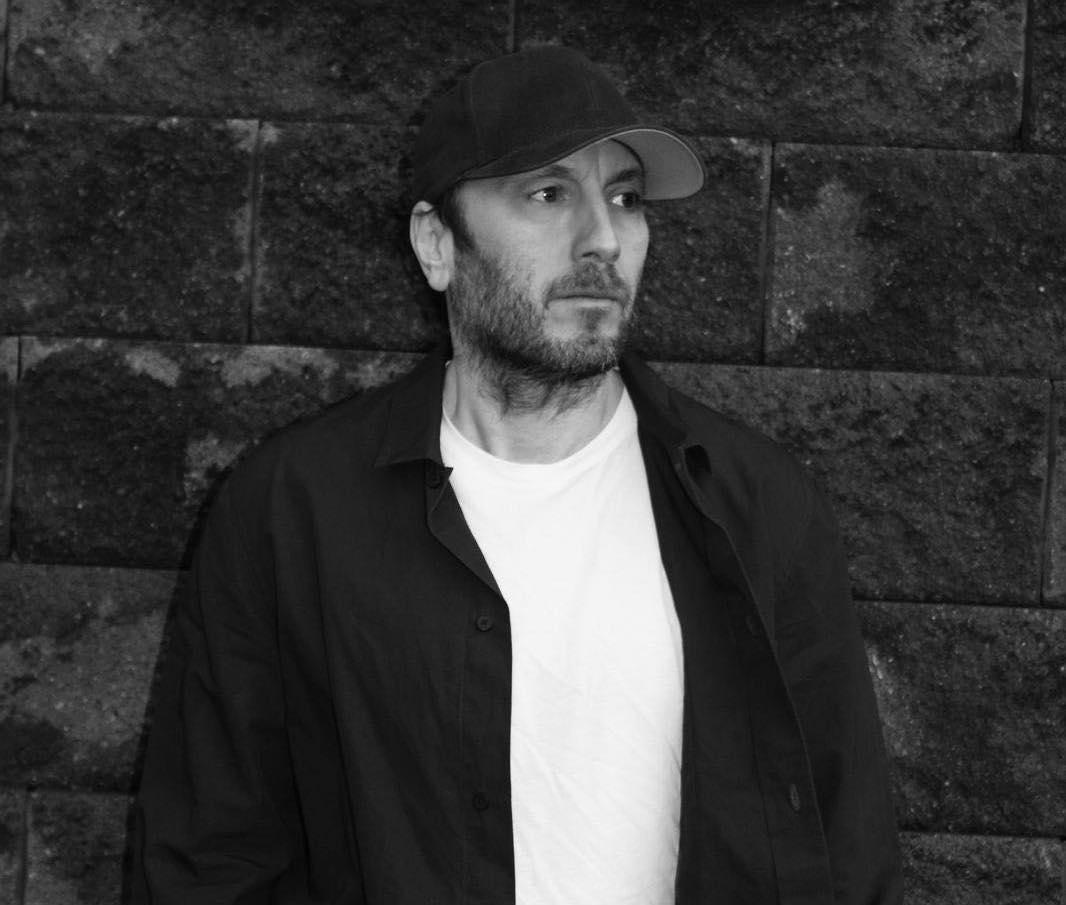
Berlin-born producer Marc Brauner has spent the past decade carving out a sound that moves fluidly between house, UKG, breakbeat and the more emotional corners of club music.
His catalogue stretches from deep, late-night rollers to widescreen ambient moods, always anchored by a drummer’s instinct for rhythm and a storyteller’s sense of atmosphere.
For his remix of Did Virgo’s “Dream Alone” on Marseille’s Ravanelli Disco Club, Brauner leans into darker, proggier territory — a strobe-lit vision built for foggy rooms and peak-time tension.
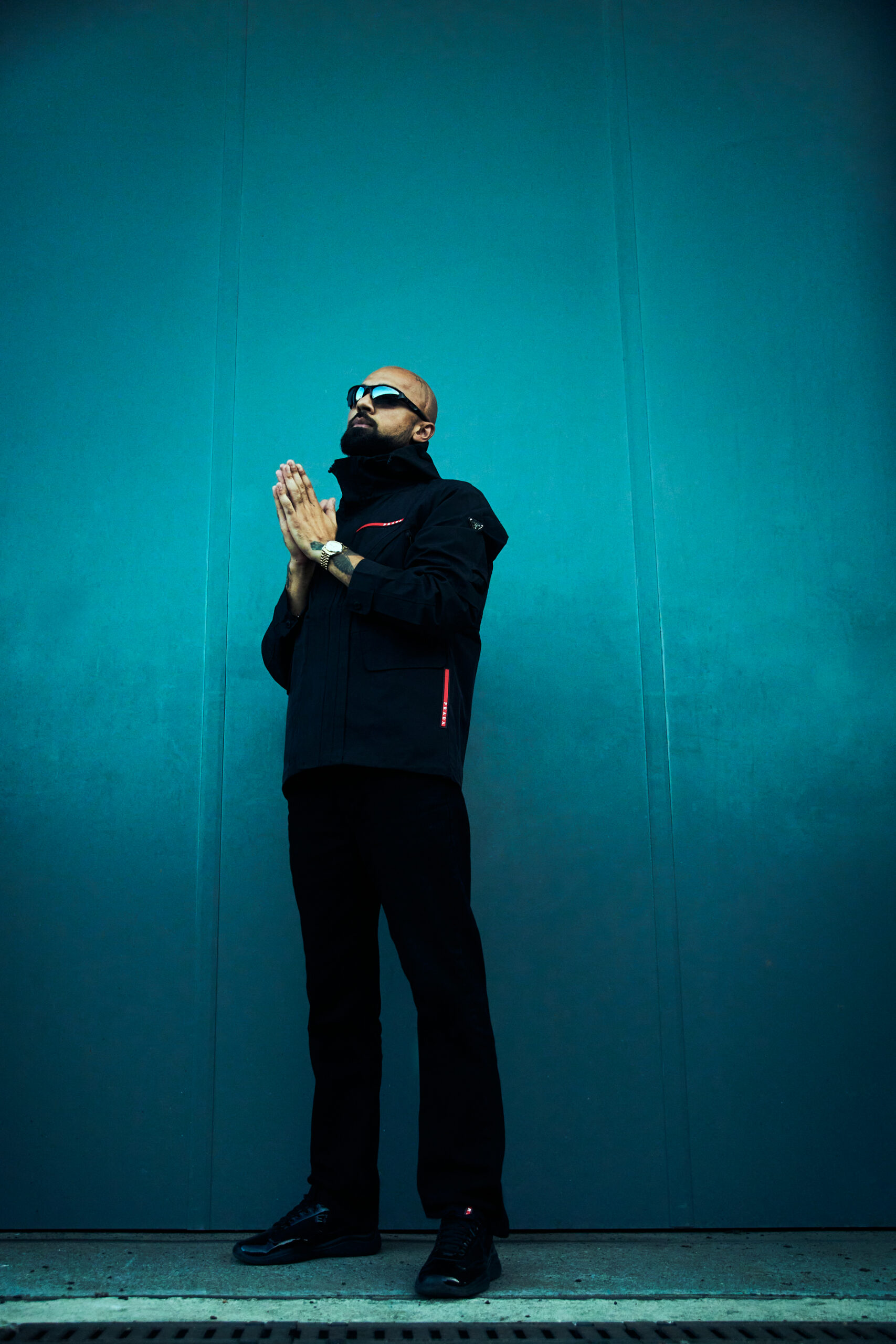
In conversation, he reflects on Berlin’s shifting club culture, the emotional roots of his productions, the importance of creative honesty, and why he’s circling back to the sound that first defined him.
Your remix for “Dream Alone” — what was the first thing in Did Virgo’s original that grabbed you and made you think, “I know exactly where I want to take this”?
When I heard the acid-like pulsing arpeggio, I knew I could build something around it.
Ravanelli Disco Club has a strong Marseille identity. As a Berlin artist, what did you want to bring into that world rather than imitate it?
I kinda get the vibe that Marseille has a lot of similarities with Berlin when it comes to style, so I felt comfortable delivering what I always try to deliver — an honest piece of work straight from the heart.
When you approached the remix, were you thinking more about late-night emotional pull or club-floor functionality? Where did you want this version to live?
I was definitely going for club functionality with this one. I tried to imagine a dark dancefloor with strobe lights filled with people and fog, as I wanted it to work specifically in this environment.
Did Virgo talks about the cinematic romance of Marseille after dark. What’s the Berlin equivalent for you — and did that seep into your remix?
Unfortunately, I’ve never been to Marseille — but I’d imagine my equivalent in Berlin would be a night out at Sisyphos, because nights there can feel like a movie for sure.
You’ve played everywhere from Djoon in Paris, to Sunday Sunday Mexico, to House of Yes in Brooklyn. Where does Berlin sit in your mental map of global club culture these days?
Since it’s my birthplace, I will always have a strong connection with my city in terms of club culture — though I gotta say it was a different time when I started partying like 18 years ago… the city changed, people changed, and also the music changed, and I guess I changed as well.
These days, some of the clubbing ethics from back in the day have been lost, and the teachings of mutual respect on the dancefloor seem to be missing at some places as well. But there are still places where you can experience real Berlin club culture — Sisyphos, for example.
Berlin is often mythologised as cold, industrial, functional. Do you feel at home there creatively?
I moved to the outskirts of Berlin three years ago to get away from exactly that coldness and grEyness, and to bring a bit of nature back into my life. But before that, I always lived in the inner city and definitely felt at home there creatively in my twenties. Now I’m 33, and I feel the urge to connect to nature more and seek my creativity from long walks and forest hikes.
As someone who moves between house, UKG, breakbeat and more — do you feel European club culture is becoming more hybrid, or are cities still holding onto their own sonic identities?
Thankfully, genres open up and clubs allow a wider range of music on their dancefloors nowadays. I remember people leaving the floor in Berlin when I played UKG, 2-step or breaks because they didn’t know what was going on and probably didn’t know how to dance to it haha. But like I said, thankfully these times changed.
You started on drums at five. How does that early rhythmic training shape your club tracks today?
It has a huge impact on my productions, and I want to thank my mum again for bringing me to drum lessons so I could become who I am today.
Your catalogue jumps from deep house to ambient to garage. What’s the thread that ties all your productions together?
I’d say it’s my passion for creating moods. Sometimes one genre can only provide a narrow range of moods — that’s why I have to switch genres for my own sake, to be able to create all these atmospheres and soundscapes I want.
When you’re remixing someone else’s work, what’s your rule of thumb: preserve the soul or break it apart and rebuild?
Break it apart and rebuild 100%.
You’ve released on Houseum, Shall Not Fade, Happiness Therapy… What does a label need to offer you creatively?
There somehow has to be a personal urge from the label owner to invest in you because they see that you and the label can both win big. So the label has to believe in you and give you the feeling you’re not just a filler or currently attractive because your numbers are good.
You’ve said you discovered house in 2009 and “found your passion right away.” What was the track or moment that flipped the switch?
Tough question, as my short/long-term memory is pretty f’ckd haha. But if I remember correctly, “Vince Watson – Moments In Time” had a big influence on me.
Your music often balances warmth and melancholy. Where does that emotional palette come from?
Straight from my heart. I’m an emotional person, and I try to reflect that through my sound.
You’ve played percussion, produced hip-hop, moved into house, and now remix for a Marseille disco label. Do you see your sound as constantly evolving or circling back to early influences?
Right now, I’m circling back to my 2019 sound, as this was a very honest time for my productions. I wanna bring that back — back to the house sound people know me from. In between, there will always be side quests releasing other genres.
This release pairs you with Black Spuma and JKriv — two very different worlds. Did hearing their versions influence how you hear your own?
Not really, no.
If you had to describe your remix in three words — but none of them can be “club,” “deep,” or “house” — what would they be?
Dark, proggy, roller.
You’ve played in New York, Paris, Hong Kong, Tbilisi, Mexico City… Which city surprised you the most as a DJ?
New York and Hong Kong were a crazy experience. But in 2022, Bogotá — Kaputt Club with DJ Houseum & Ricky Razu — might take the crown in terms of vibes at least.
What’s one production habit you have that you know is weird but you’ll never change?
Trying to finish a track in less than a day — because you might not be able to create the same energy the next day.
What’s coming next in your sound — are you leaning more emotional, more functional, or somewhere stranger?
It’s time to get emotional and melancholic again — not saying it’s time for “Sad But Ambitious 2,” but maybe something similar.





Must Reads
David Holmes – Humanity As An Act Of Resistance in three chapters
As a nation, the Irish have always had a profound relationship with the people of Palestine
Rotterdam – A City which Bounces Back
The Dutch city is in a state of constant revival
Going Remote.
Home swapping as a lifestyle choice
Trending track
Vels d’Èter
Glass Isle
Shop NowDreaming
Timothy Clerkin
Shop Now