The Authenticity of House Music: Fabio Monesi Talks
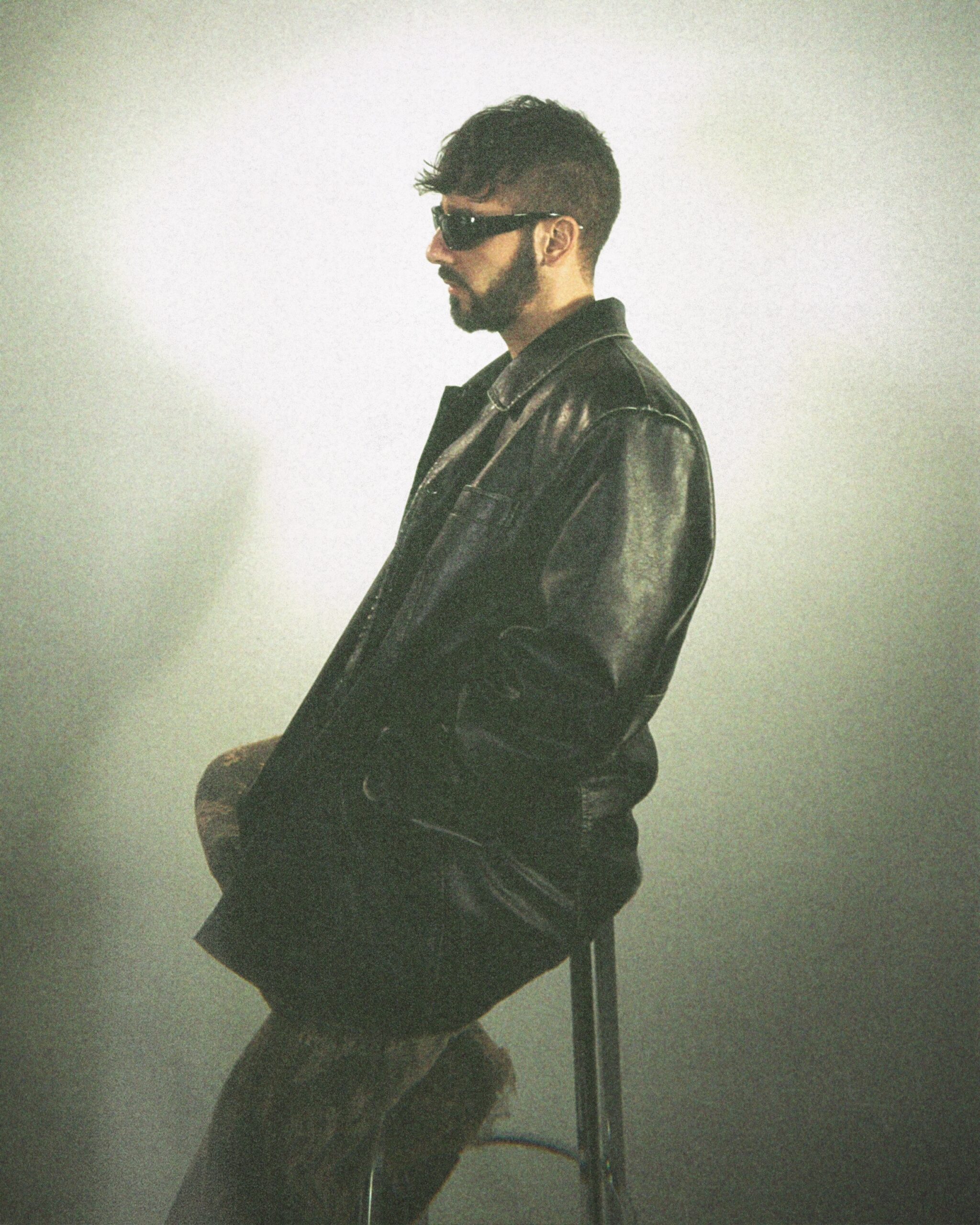
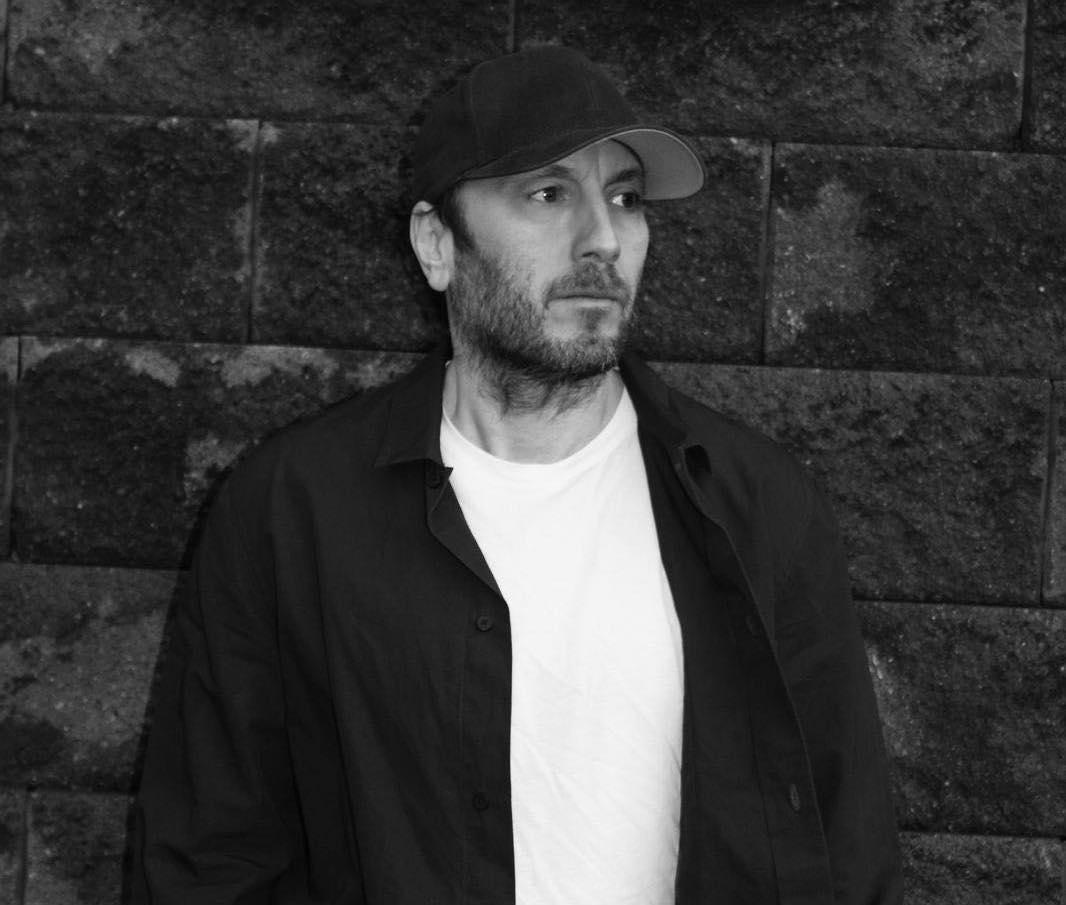
Fabio Monesi has become a house music figurehead. In the midst of a jaded landscape we talk about keeping things real and returning to the source.
House music is many different things to many different people. However, the origins remain as important and crucial as ever – there are a few good soldiers keeping that fight very much alive.
It’s important that we are reminded why we’re all here from time to time and Fabio Monesi is a good example of that.
The Italian producer is the founder of Wilson records and over the past few years he has also released music on the likes of Creme Organization, Craigie Knowes, L.I.E.S and Skylax to name but a few. For those in the know, releases on such labels don’t come lightly. They also don’t come along unless you have a lot of skin in the game and absolutely ‘get it’.

Drawing upon vintage, analogue sounds, the sort associated with Chicago and New York in the 80’s and 90’s, Fabio Monesi has managed to carve a niche for his heady mix of classic rhythms and jackin’ club cuts in the midst of a new era.
This month marks will mark the release of a new album from Fabio – a record titled “Cruel Intentions” which is a fully hardware driven affair, a proper geek out if you will and we felt now was as good a time as ever to talk shop with one of our favourite producers of the moment.
How did you first fall in love with house music, and why are you drawn to its rawest elements?
“The first time I stepped foot into a club, the energy was incredible. Even before that, I remember being fascinated by late night radio shows that broadcasted live recordings from clubs.
I’d listen and dream of being the one behind the decks.
As an emotional person, I look for music that provokes a physical reaction. To me, “raw” means “honest.” A crispy snare, a crunchy clap, or a punchy kick gives me chills.
My production style is often described as “pure” or “real,” and that is exactly what I want to transmit: a genuine, unfiltered emotion. Every track has to say something human.”
Do you have any formative experiences that led you toward this sound?
“I started DJing at just 13 years old with vinyl. After one year of practice, I became a resident DJ for Saturday afternoon parties at some of the most iconic clubs in Milan. At the time, Tribal and Filtered House were huge.
Artists like The Shapeshifters, Cassius, Fred Falke & Alan Braxe, Daft Punk, Armand Van Helden, Robbie Rivera, Danny Tenaglia, Deep Dish, Steve Lawler, and Spiller were spreading pure joy through the genre.
Simultaneously, I began exploring the darker side of electronic music, like Electroclash, Techno and progressive through the underground parties popping up around the city.
These two worlds collided for me.
They created the perfect blend of what I believe dance music should be: a spectrum of emotion that moves from pure joy to deep melancholy.”
As a fan of hardware and analog gear, what value does it bring to your process?
“It goes back to my obsession with “realness.” I want to stay as close to the original source of the sound as possible. Even though I’m a bit of a “nerd” when it comes to manipulating and modifying sounds, I still have a deep respect for the purity of the source.
There is something romantic about the physical tactile experience, knowing that inside these machines, actual chips are generating electrical signals to create sound. It’s an organic, almost “romantic” approach.
It fosters a genuine relationship with the music that you just can’t get from a mouse and keyboard.”
Is there a machine or instrument you can’t live without?
“I definitely couldn’t live without my Akai S950 and a good analog mixer. The Akai, specifically, allows me to express my creativity through the unique textures and “shades” of its 12-bit sound. It has a character that is impossible to replicate.”

You used your own vocals on your latest record—what was the rationale?
“This album was written during a very intense year of my life. Because the music was coming from such a vulnerable place, using my own vocals felt like the only way to give the tracks the personal touch they deserved. It wasn’t about being a “singer” – it was about being present in the music.”
What is your opinion on the current state of house music?
“I’ve never been a trend follower – I want my music to be evergreen. When I ran Hardmoon London, I had a very uncompromising approach to production because I wanted to capture the soul of early Chicago House: raw, saturated, and naturally distorted.
When the ‘lo-fi’ tag became a market trend, the scene was suddenly flooded by people jumping on the bandwagon just because it was fashionable. We had built a movement as a tribute to the pioneers, but what followed were just hollow digital copies. I’d rather stop a project entirely than see it become a passenger on a passing trend. I don’t play those games; for me, it’s about the truth of the sound, not the fashion of the moment.”
Who are your biggest influences?
“I’ve never really had “idols,” but I had many inspirations, especially during my early days. For the romantic side of House, Kerri Chandler has always been my greatest source of inspiration. For raw energy and swing, Todd Terry was the man. And for that specific crunch and grit, I always look to pioneers like Gene Hunt and Ron Hardy.”








Must Reads
David Holmes – Humanity As An Act Of Resistance in three chapters
As a nation, the Irish have always had a profound relationship with the people of Palestine
Rotterdam – A City which Bounces Back
The Dutch city is in a state of constant revival
Going Remote.
Home swapping as a lifestyle choice
Trending track
Vels d’Èter
Glass Isle
Shop NowDreaming
Timothy Clerkin
Shop Now