The Best Music Streaming Service Isn’t Neutral Ground
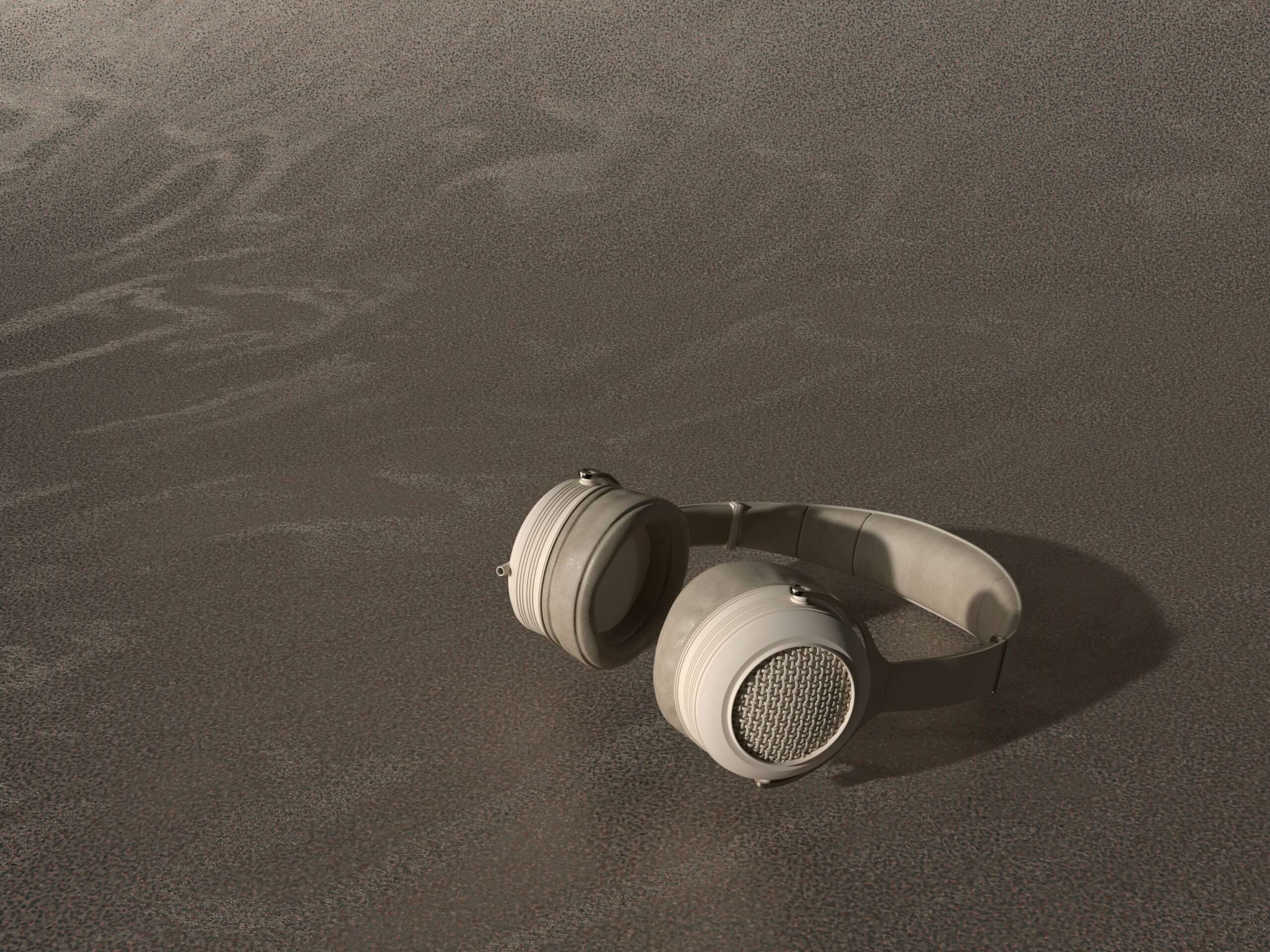
A sponsored post from LANDR reflects on the modern day landscape of online streaming at a time when platforms are changing and evolving more quickly than ever.
Streaming didn’t just change how we consume music. It rewired the whole system behind it. Where music once moved through pressing plants, distributor warehouses, and late-night specialist radio, it now lives inside apps people open fifty times a day without thinking.
For listeners, that’s convenience. For artists, it’s something with sharper edges. These platforms are no longer just delivery mechanisms. They’re gatekeepers, discovery engines, and in many cases, the primary source of income for independent musicians trying to build something outside the major label machine.
Which is why the question of which music streaming service is best can’t be answered without asking: best for who?
What Actually Separates Them
On the surface, the major platforms feel nearly identical. Vast catalogues, monthly subscriptions, a search bar, a few mood playlists that all sound like they were curated by the same algorithm.
Underneath, though, they’re built quite differently.
Audio quality varies considerably depending on bitrate and whether lossless formats are supported. Discovery logic differs too: some platforms lean heavily on algorithmic playlists, others on editorial curation, others on what their most active users are pushing.
For listeners, these details shape the day-to-day experience in ways that quietly matter, from how a well-mastered record sounds through a decent pair of headphones to whether a new artist has any realistic chance of cutting through.
For musicians, the stakes are more concrete. These decisions determine whether anyone finds the music, and whether there’s any meaningful return when they do.
Spotify
Still the largest streaming platform globally by active users, and still the most influential when it comes to discovery. Discover Weekly, Release Radar, and the platform’s broader algorithmic infrastructure have genuinely changed how underground artists reach new audiences. Getting placed in the right playlist at the right moment can shift a career.
The trade-off is well documented. Per-stream payouts are low, which means scale is everything, and for most independent artists, that scale takes years to build. Spotify rewards the already-known.
Apple Music
Where Spotify wins on discovery, Apple Music tends to win on fidelity. Lossless and spatial audio support put it ahead of most competitors in terms of pure sound quality, which matters if the music was mixed and mastered with care in the first place.
It also pays out at a higher per-stream rate than most of its rivals, which has made it something of a favourite among artists who’ve done the maths. The catalogue is enormous, the editorial taste is generally solid, and, for anyone already in the Apple ecosystem, the integration is frictionless.
Tidal
Tidal built its identity around two things: high-fidelity audio and artist-friendly economics. Whether it’s been fully delivered on both promises over the years is a longer conversation, but the intent has always been there. Multiple tiers of high-resolution streaming make it the audiophile’s default, and its payout structures have historically been more transparent than the industry standard.
For musicians who care about how their work actually sounds to listeners, Tidal remains worth paying attention to.
Amazon Music
Quietly significant. Amazon Music has grown into a major catalogue platform thanks to its integration with Prime, which has enabled it to reach what most people underestimate. It offers lossless streaming tiers, its library is vast, and it sits inside a consumption ecosystem that hundreds of millions of people already live inside.
It doesn’t dominate cultural conversation the way Spotify does, but its distribution reach makes it impossible for artists to ignore.
YouTube Music
The platform with the strangest position of all. Because it sits inside the YouTube ecosystem, artists benefit from audio streaming and video discovery running in parallel. Official releases, live recordings, remixes, fan-made uploads: it’s a more chaotic and more human archive than any of the others.
For emerging artists, that can work in unexpected ways. Discovery routes that wouldn’t exist anywhere else open up when a live set clip or an unofficial rip of something starts circulating.
On Audio Quality
The gap between platforms has narrowed. Apple Music, Tidal, and Amazon Music all offer lossless options now, and spatial audio is gaining traction across the board. For artists, this matters in a specific way: a carefully mixed and mastered record will sound closer to how it was intended on these platforms than it would on a compressed stream. The details survive the journey better.
Distribution plays into this too. Tools like LANDR Distribution handle delivery in formats compatible with Apple Digital Masters and Dolby Atmos specs, which means masters don’t just land on platforms, they land correctly.
The Part Most Artists Underestimate
Getting music onto these platforms is one thing. The infrastructure behind that process matters just as much as the streams themselves.
A reliable distributor handles the logistics: sending audio files, managing metadata, ensuring everything appears correctly across services. It should also be transparent about where the money is and how it moves.
LANDR Distribution covers delivery to 150+ streaming platforms and stores, including Spotify, Apple Music, YouTube Music, and Tidal, while keeping 100% of royalties with the artist and providing platform-by-platform earnings breakdowns. For independent artists navigating this landscape without label infrastructure, that level of ownership isn’t a bonus feature. It’s the point.
So Which One?
There isn’t a single winner. There are different platforms doing different things well, and the right answer depends on what you’re prioritising.
Spotify has the discovery reach. Apple Music and Tidal have the best audio quality and better royalty rates. Amazon Music has the scale. YouTube Music has the chaos and the unexpected routes in.
For listeners, the decision usually comes down to ecosystem preference and how much the audio quality actually matters to you. For artists, the real question is getting music to wherever the listeners already are, across all of them, with the right distribution setup doing the legwork.
The music industry has always rewarded people who understand the system they’re operating in. That’s as true now as it ever was.
This post is sponsored content as provided by LANDR.








![504 Aquatic – Urns [album art]-1500](https://www.theransomnote.com/wp-content/uploads/2026/03/504-Aquatic-Urns-album-art-1500.jpg)

Must Reads
David Holmes – Humanity As An Act Of Resistance in three chapters
As a nation, the Irish have always had a profound relationship with the people of Palestine
Rotterdam – A City which Bounces Back
The Dutch city is in a state of constant revival
Going Remote.
Home swapping as a lifestyle choice
Trending track
Vels d’Èter
Glass Isle
Shop NowDreaming
Timothy Clerkin
Shop Now