Mostra Barcelona: Five Years of Doing It Properly
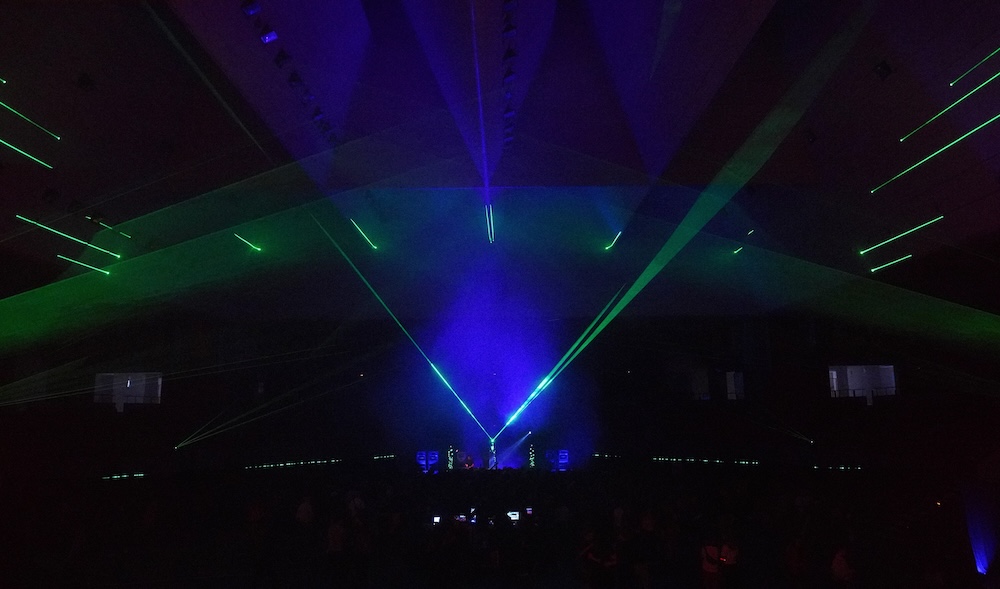
Barcelona’s independent electronic festival returns this March with a clear conscience, a capped crowd, and something to prove.
There’s a version of Barcelona’s festival scene that you’ve probably already encountered — the big, branded, algorithmically booked kind, where the lineup reads like a Spotify playlist, and the VIP area is bigger than the dancefloor. It’s a world increasingly shaped not by music lovers but by private equity, where festivals like Sónar sit within portfolios managed by the likes of KKR, the same people whose money moves through healthcare companies, infrastructure funds, and leveraged buyouts. The music is almost incidental. Mostra is not that. It never was, and the people behind it have made it their mission to keep things that way.
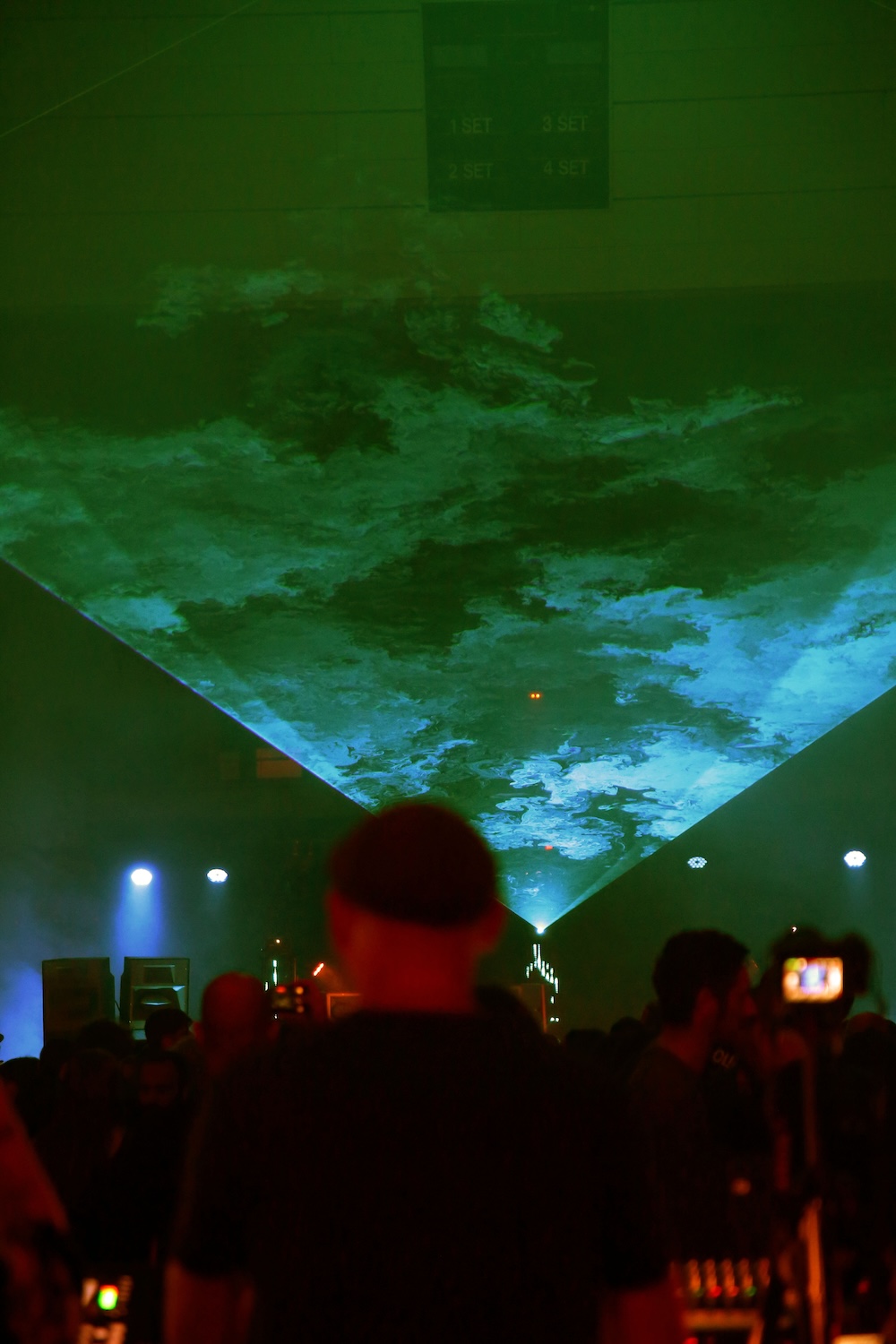
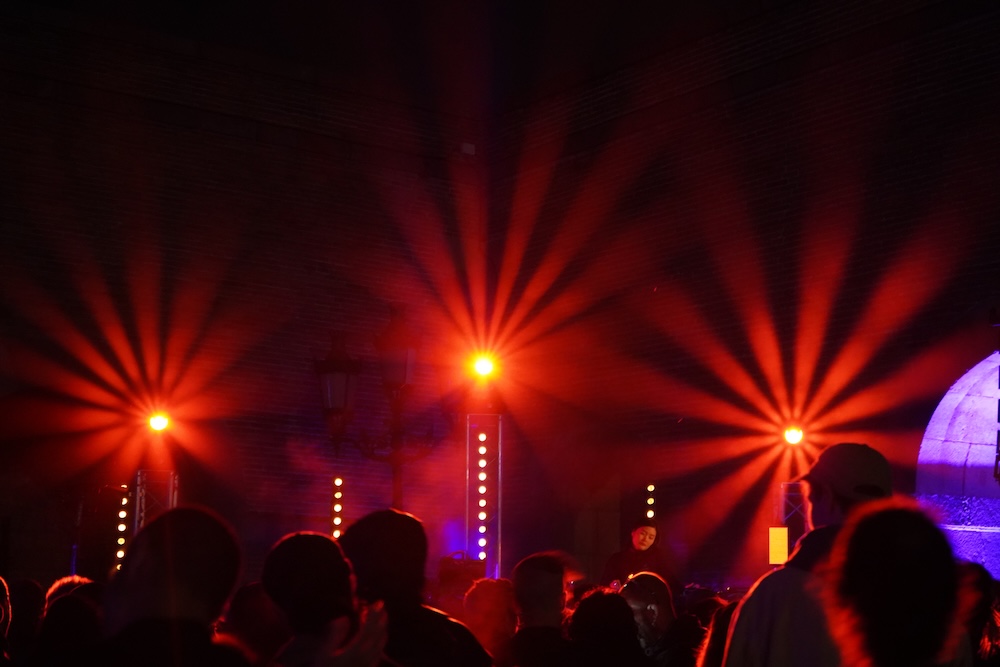
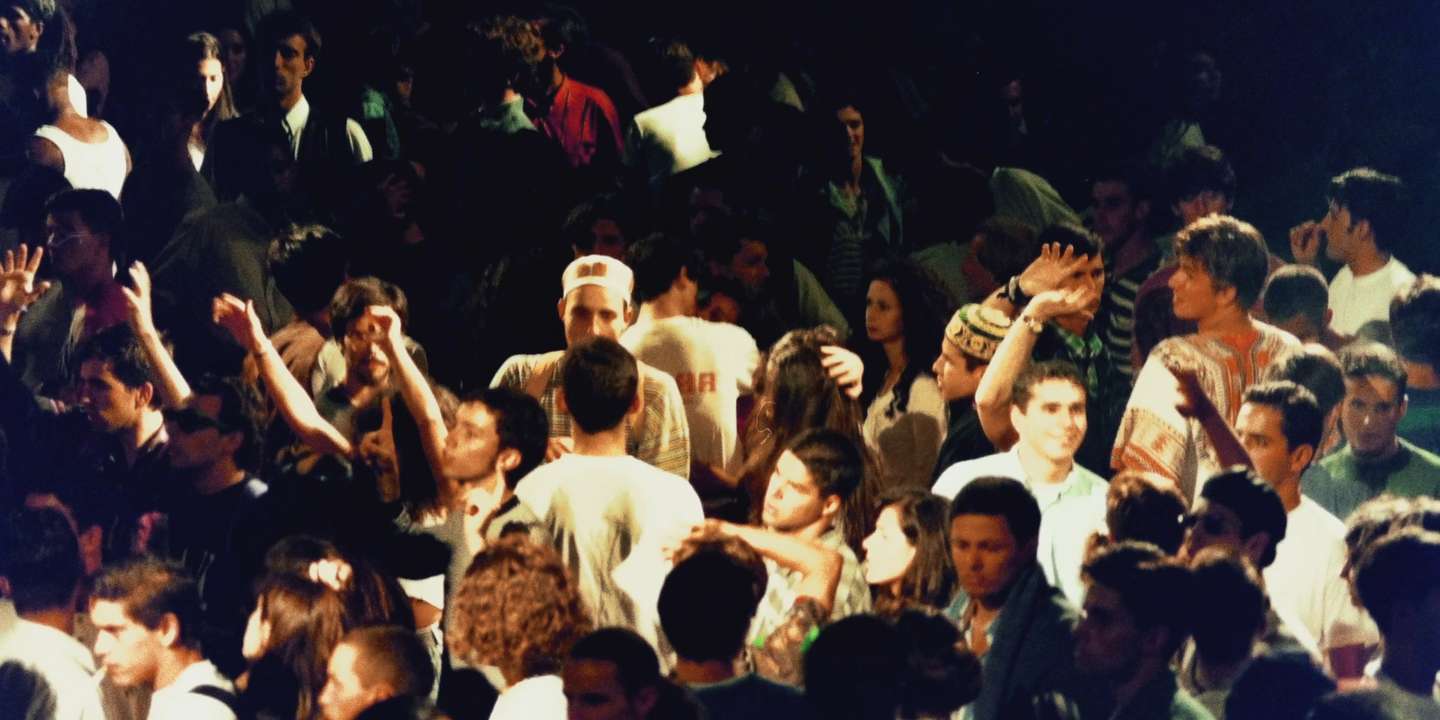
Now in its fifth year, Mostra returns this March as a small-format festival dedicated to avant-garde and experimental electronic music, planted firmly in the city’s urban landscape and just as firmly against the grain of how large-scale events tend to operate. No VIP zones. No audience segmentation. One stage. A maximum of 1,000 people per day. It’s the kind of setup that sounds almost radical until you realise it’s simply a matter of priorities.
The festival took shape during the COVID pandemic, an unlikely moment to start anything, let alone something as inherently communal as a music event. But that, say the team, was almost the point. With clubs silenced and festivals cancelled across the world, co-founder Felix (of the Pyrenees-based Paral·lel Festival) had been thinking about what a festival conceived specifically for Barcelona and its local scene might look like. The answer turned out to be Mostra.
What emerged wasn’t built around financial ambition. From the off, the festival ran as a non-profit, with three values doing the load-bearing work: local, sustainable, inclusive. “Preserving our independence and safeguarding the freedom of our artistic curation, free from investor influence, has always been central to our mission,” the team explain. The heart logo, it turns out, is doing a lot of symbolic heavy lifting.
That independence shows up most clearly in the programming. Because there’s no commercial pressure on bookings, internationally recognised artists share billing with emerging names from the scene, often artists the audience won’t already know. Over the years Mostra has built something rare and genuinely hard to manufacture: a crowd that trusts it. People arrive open-minded, which frees the curators to take risks. The festival describes itself as a space for exploration and discovery rather than music consumption, and in the current landscape, where so much of what passes for an underground festival is quietly underwritten by the same institutional money that owns toll roads and airport parking, that framing matters more than ever.
This year’s edition opens on Thursday with an ambient-focused programme at Casa Montjuïc before shifting to more dance-oriented territory from Friday onwards at the Pavelló Olímpic de la Vall d’Hebron. There’s also a guest country focus, France this time, which gestures at the festival’s attempt to stay connected internationally while staying rooted in Catalonia. It’s worth noting this is the first year Mostra kicks off Barcelona’s festival season rather than slotting in around Easter, a sign that five years in, the project has earned its footing.
The community dimension extends well beyond the weekend itself. Throughout the year, Mostra runs smaller gatherings called ExtraMostra at venues across Spain and abroad, keeping the project warm between editions. During the festival proper, a FIRA brings together local record stores and visitors in shared space, while the Mostra’m days, running in the lead-up, create room for discussions tied to the artistic programme and wider questions about the music scene. There’s a real sense of a year-round cultural project here, not just an event with a nice Instagram.
On the sustainability front, Mostra has partnered with ReRoot to develop a long-term ecological framework and publishes its carbon footprint data publicly, which remains fairly unusual in this world. Practical steps from the 2025 edition included choosing venues near metro stations, offering artists extra nights in Barcelona as compensation for ditching flights in favour of trains, and introducing upcycled cushions made from repurposed Mostra banners. Small gestures, perhaps, but consistent ones.
Commercially, the model relies on long-term partnerships with companies who share the ethos rather than chase visible branding. Estrella Galicia have been on board since the second edition and keep their presence low-key. Syra Coffee sponsors the outdoor area; Puig, a Mallorcan soft drinks brand, runs a chill-out space inside. Microfusa, a local DJ store, provides technical equipment. None of it feels like a compromise.
“A festival’s success cannot be measured by numbers alone,” the team reflect. After five years in a city where the cultural landscape is under constant pressure from scale, capital, and the slow institutional capture of spaces that were once genuinely independent, something stubbornly, principally small feels quietly essential. The grotty reality is that a lot of what markets itself as forward-thinking electronic culture is now owned by people who’ve never been to a rave and never plan to. Mostra is the corrective. Long may it remain so.
Tickets are available now at Mostra Festival 2026. More information at mostra.barcelona.





Must Reads
David Holmes – Humanity As An Act Of Resistance in three chapters
As a nation, the Irish have always had a profound relationship with the people of Palestine
Rotterdam – A City which Bounces Back
The Dutch city is in a state of constant revival
Going Remote.
Home swapping as a lifestyle choice
Trending track
Vels d’Èter
Glass Isle
Shop NowDreaming
Timothy Clerkin
Shop Now